

2026 Top Heavy Equipment Types to Learn to Drive
A excavator’s controls look simple from the cab. Then the bucket meets packed soil, and every small movement matters. Learning to operate heavy equipment takes more than confidence; it calls for sound judgment, practice, and attention to the ground around you. For anyone exploring how to learn to drive heavy equipment, the right starting point is understanding what each machine does—and what safe, competent operation demands.
The U.S. Bureau of Labor Statistics reported a median annual wage of $58,320 for construction equipment operators in May 2023. It projected 4% employment growth from 2023 to 2033, about as fast as the average for all occupations. These figures offer useful context, not a promise of a job or a particular salary. Skilled-trades advocate Mike Rowe has said, “We have become a society that has elevated the importance of a college degree and diminished the importance of a skill.” His point speaks broadly to skilled work, including equipment operation, where practical ability is built over time.
There is no shortcut. A dozer, loader, forklift, and crane each handle differently, and their risks vary with the task and site conditions. Training should include supervised practice, equipment-specific instruction, and a clear understanding of safety procedures. This guide introduces major heavy equipment types to learn in 2026, with practical differences to consider before choosing a path. It cannot replace hands-on instruction. That distinction matters.
How Heavy Equipment Is Classified and Used
2026 Top Heavy Equipment Types to Learn to Drive
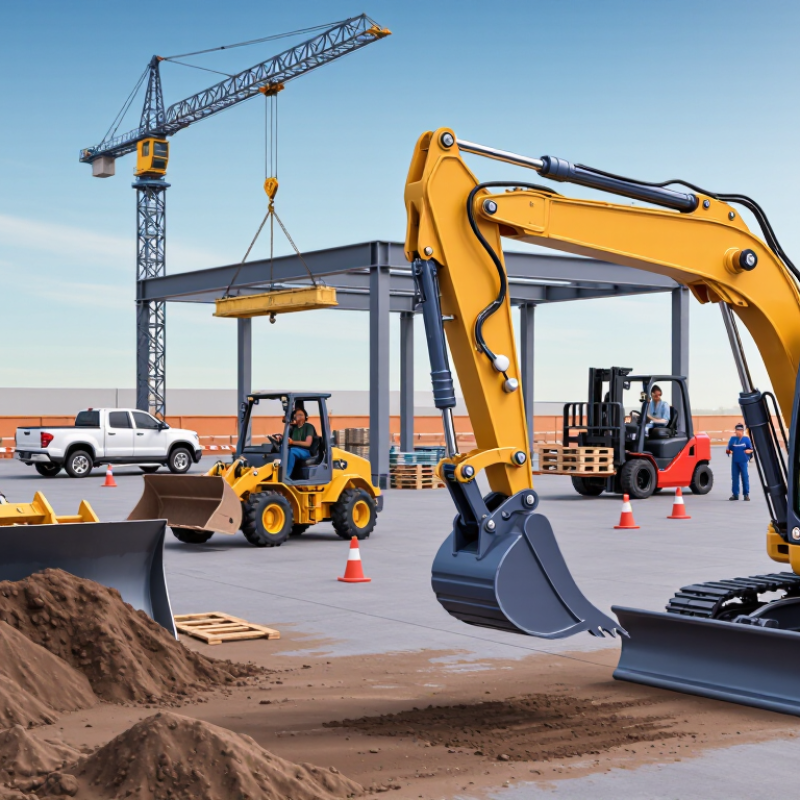
Heavy equipment is often classified by the work it performs, rather than by size alone. Earthmoving machines include excavators, bulldozers, and loaders. They dig, push, or move soil across construction sites. A tracked excavator can turn in place, while a wheel loader quickly carries gravel between piles. That distinction matters.
Lifting and material-handling equipment serves a different purpose. Cranes raise loads to elevated work areas, while forklifts move palletized goods across warehouses and yards. Road-building machines, such as graders and rollers, shape and compact surfaces. Operators need to understand each machine’s turning radius, visibility limits, and attachment controls. The same lever can behave differently across equipment types.
Some machines fit more than one category. A backhoe-loader, for example, can dig with its rear arm and carry material with its front bucket. Classifications are useful, but not perfect. Job conditions, attachments, and ground firmness can change how a machine is used. Before operating, inspect tires or tracks, check fluid levels, and test controls in a clear area. Keep people outside the working zone. Practice changes everything. Training should match the machine and the task, not just the equipment label.
2026 Top Heavy Equipment Types to Learn to Drive - How Heavy Equipment Is Classified and Used
| Equipment Type | Common Classification | Typical Uses | Primary Operating Skills | Training and Qualification Considerations |
|---|---|---|---|---|
| Hydraulic Excavator | Earthmoving and digging equipment | Excavating foundations and trenches, loading spoil, grading, and demolition with approved attachments. | Coordinating the boom, arm, bucket, and swing; controlling digging depth; working near utilities and people. | Training should cover machine controls, stability, attachment changes, underground utility precautions, and site-specific procedures. |
| Wheel Loader | Material-handling and earthmoving equipment | Loading aggregate, soil, or other bulk materials; stockpiling; and moving materials around work sites. | Filling and carrying the bucket, managing travel speed, maintaining visibility, and loading vehicles safely. | Instruction should address load limits, travel routes, slopes, bucket positioning, and pedestrian separation. |
| Bulldozer | Earthmoving and land-clearing equipment | Rough grading, pushing soil, spreading material, and clearing or shaping work areas. | Controlling blade height and angle, judging ground conditions, and managing traction and slope exposure. | Operators need equipment-specific training in stability, slope work, blade use, and safe travel practices. |
| Motor Grader | Road-building and finish-grading equipment | Shaping road surfaces, maintaining gravel roads, forming drainage slopes, and fine grading. | Precisely adjusting the moldboard, maintaining grade and cross-slope, and coordinating steering with blade position. | Training commonly includes grade-control methods, work-zone awareness, and safe operation on uneven surfaces. |
| Articulated Dump Truck | Off-highway hauling equipment | Transporting soil, rock, and other materials across construction, quarry, and earthmoving sites. | Maintaining control on uneven ground, choosing safe routes, managing loads, and positioning for dumping. | Training should cover site traffic rules, braking, load distribution, ground conditions, and rollover hazards. |
| Backhoe Loader | Combination digging and material-handling equipment | Utility and drainage work, trenching, small excavations, and moving materials with the front loader. | Switching safely between the front loader and rear excavator; setting stabilizers; controlling digging and travel. | Operators should learn both working ends of the machine, stabilizer use, attachment procedures, and safe setup. |
| Skid-Steer or Compact Track Loader | Compact earthmoving and material-handling equipment | Loading, cleanup, landscaping, material movement, and work in confined areas using compatible attachments. | Managing tight turns, maintaining visibility, controlling the lift arms, and coupling attachments safely. | Training should cover the specific machine controls, attachment compatibility, rollover protection, and safe entry and exit. |
| Forklift | Powered industrial truck and material-handling equipment | Moving palletized loads in warehouses, yards, manufacturing sites, and construction material areas. | Balancing loads, using forks and mast controls, traveling with a load, and maneuvering around people and obstacles. | Workplace training and operator evaluation are generally required; applicable rules depend on the jurisdiction and work setting. |
| Telehandler | Telescopic material-handling equipment | Placing materials at height or reach on construction sites and moving loads across prepared work areas. | Reading load charts, managing boom extension and angle, stabilizing the machine, and judging load placement. | Training should be specific to the machine and attachments; load-chart use and stability limits are essential. |
| Mobile Crane | Hoisting and lifting equipment | Raising and positioning construction materials and equipment using a crane and suitable rigging. | Understanding load charts, configuring the crane, coordinating signals, and maintaining safe clearance from hazards. | Certification or licensing requirements vary by jurisdiction and crane type; training and authorization should match the equipment and task. |
| Road Roller or Compactor | Compaction and road-construction equipment | Compacting soil, aggregate, or asphalt to help achieve specified density and surface finish. | Controlling travel patterns and vibration, maintaining consistent coverage, and avoiding edges or unstable ground. | Training should include surface conditions, vibration settings, slope limits, and separation from other workers. |
| Asphalt Paver | Road-paving and material-placement equipment | Placing and spreading hot-mix asphalt for roads, parking areas, and other paved surfaces. | Maintaining a steady paving speed, monitoring material flow, coordinating with haul trucks, and adjusting the screed. | Operators need machine-specific instruction and coordination training for the paving crew and work-zone conditions. |
Note: Equipment classifications and operator qualification requirements can vary by country, jurisdiction, employer, and job site. Training should be specific to the machine, attachments, and tasks being performed.
Related Posts
-
What Is the Best Way to Learn to Drive Heavy Equipment?
-
Why Learn to Operate Heavy Equipment?
-
How to Learn to Operate Heavy Equipment Safely?
-
How to Learn to Drive Heavy Equipment Safely?
-
2026 How to Choose the Right Earth Moving Equipment for Your Project?
-
How to Learn to Drive Heavy Equipment Effectively?