What Is the Best Way to Learn to Drive Heavy Equipment?

Learning to operate heavy equipment is not just about moving levers or following a worksite signal. It requires judgment, coordination, mechanical awareness, and disciplined practice. The best way to learn to drive heavy equipment combines structured instruction, supervised seat time, and repeated safety checks.

Industry data supports this balanced approach. The U.S. Bureau of Labor Statistics projects employment for construction equipment operators to grow from 2023 through 2033. Its Occupational Outlook Handbook also reports thousands of annual openings, reflecting continued demand for skilled operators. However, demand does not replace competence. The Occupational Safety and Health Administration emphasizes that employers must ensure equipment operators are properly trained and competent for assigned machines.

A credible training path usually begins with classroom fundamentals. Students learn controls, stability limits, inspection routines, load charts, and blind-spot risks. Then, they practice on real machines under an experienced instructor. A pre-start inspection might include checking hydraulic hoses, tire condition, fluid levels, alarms, and attachment pins. Small details matter.

That sounds simple. It is not.

Experienced operators often develop precision by practicing slowly before increasing speed. They learn to read ground conditions, estimate clearance, and communicate clearly with spotters. Certification programs from organizations such as NCCER can add structured assessments and industry-recognized benchmarks. Still, a certificate alone cannot replace sound judgment.

The strongest method is practical, measured, and safety-centered. It should also remain open to correction. Even confident beginners make avoidable mistakes. Reflecting on those mistakes may be the most valuable lesson of all.

What Is the Best Way to Learn to Drive Heavy Equipment?

Understanding Heavy Equipment Types and Operator Responsibilities

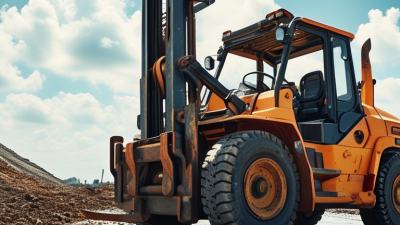
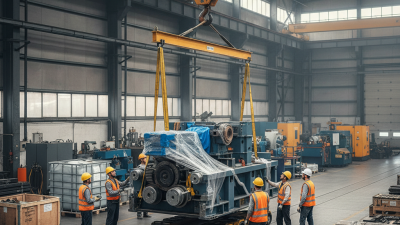
Heavy equipment is not one skill. An excavator needs controlled digging near buried services. A wheel loader requires balanced bucket movements and clear visibility. A dozer demands attention to slopes, blade pressure, and ground stability. A grader depends on precise adjustments. Crane operation adds lifting plans, rated capacities, and careful signaling. Each machine changes the operator’s risks, controls, and responsibilities. Learning should match the equipment, worksite, and material being handled.

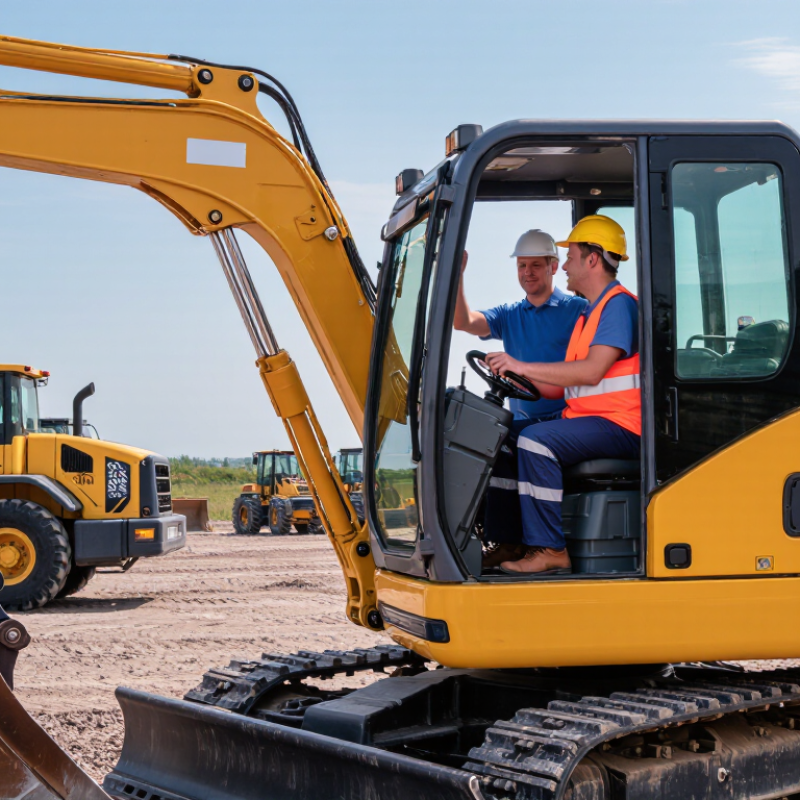
Reliable training combines instruction, demonstration, and supervised practice. Begin with manuals, hazard maps, inspection procedures, and emergency controls. Then practice smooth starts, braking, positioning, and shutdowns on a controlled site. An experienced trainer should observe blind spots, bucket height, swing radius, and communication with ground workers. Operators must complete pre-start checks, report defects, respect exclusion zones, and never exceed load or terrain limits. Small errors matter. A quiet engine fault can become a serious delay or hazard.

Good operators also read conditions continuously. Rain can weaken soil, dust can hide people, and changing light can reduce visibility. Use agreed signals or radios, but confirm unclear instructions before moving. Keep records of inspections, training, incidents, and maintenance concerns. Certification may support competence, but it does not replace site-specific orientation or judgment. I would not pretend every lesson feels smooth; hesitation can reveal a gap worth practicing. Stop and reassess. This habit protects coworkers, equipment, and the public.

Checking Prerequisites, Safety Knowledge, and Physical Readiness

What Is the Best Way to Learn to Drive Heavy Equipment?

Before touching a control, check the entry requirements for your chosen machine and local worksite. Training may require a minimum age, basic education, medical clearance, or a valid operator permit. Requirements differ by region and equipment type. Ask an accredited training center for written details. Do not rely on informal advice from a coworker.

Safety knowledge should guide every lesson. Learn the operator’s manual, warning labels, load limits, blind spots, and emergency procedures. Practice a complete pre-start inspection, including tires, tracks, fluid leaks, attachments, alarms, and seat belts. Keep people outside marked danger zones. Use agreed hand signals or radio communication with a trained spotter. Stop the machine when visibility becomes uncertain. That habit matters.

Physical readiness is more than strength. You need steady balance, clear vision, hearing awareness, and enough mobility to climb safely. Fatigue, dehydration, or medication side effects can reduce reaction time. Tell the instructor about relevant limitations before practical training begins. A short walk around the machine can reveal access problems. I once underestimated how tiring repeated cab entry could feel; that mistake made me slow down and use three-point contact every time. Good instruction combines supervised practice, measured feedback, and honest correction. You will not master the machine in one afternoon.

What Is the Best Way to Learn to Drive Heavy Equipment? - Checking Prerequisites, Safety Knowledge, and Physical Readiness
Learning Dimension Typical Requirement or Benchmark What to Learn or Demonstrate Readiness Check Key Safety Consideration
Minimum Eligibility Workplace age, licensing, and site requirements vary by jurisdiction and employer. Many industrial workplaces require operators to be at least 18 for higher-risk duties. Confirm local legal requirements, employer rules, equipment restrictions, and any required medical or occupational documentation before training. Documents verified Never operate equipment without the authorization, training, and supervision required for the specific machine and worksite.
Basic Education and Communication Functional reading, writing, basic arithmetic, and the ability to understand safety signs, manuals, alarms, and radio instructions. Read load charts, identify warning symbols, interpret measurements, and communicate clearly with spotters and site personnel. Instructions understood Misunderstood signals or unclear radio communication can cause collisions, struck-by incidents, or load instability.
Equipment Familiarization Training should be specific to the machine type, model, controls, attachments, and operating environment. Locate controls, emergency stops, seat belts, alarms, mirrors, lights, access points, fluid checks, and manufacturer safety labels. Pre-start inspection completed Do not assume that experience on one machine transfers automatically to another machine or attachment.
Hazard Recognition Before operation, identify traffic routes, pedestrians, blind spots, overhead lines, underground services, slopes, edges, unstable ground, and weather hazards. Complete a site walkaround and explain how the work area will be isolated, controlled, and monitored. Hazards identified Maintain a safe exclusion zone and stop work when visibility, ground conditions, or communication becomes inadequate.
Safety Knowledge Core topics normally include seat-belt use, rollover prevention, lockout procedures, safe access, three-point contact, and emergency response. Explain why the machine must be parked securely, attachments lowered, controls neutralized, and energy sources isolated before servicing. Safety questions passed Never bypass guards, alarms, interlocks, or safety devices, and never carry passengers unless the equipment is designed for them.
Physical Readiness Operators need sufficient vision, hearing, reaction time, balance, coordination, and mobility for safe entry, exit, and control use. Enter and exit using handholds and steps, maintain posture, operate controls smoothly, and detect alarms or nearby activity. Functional ability confirmed Fatigue, illness, alcohol, drugs, or medication effects that impair alertness or coordination make operation unsafe.
Practical Training Use a structured progression: instructor demonstration, supervised practice, controlled exercises, and workplace-specific evaluation. Practice starting, stopping, steering, reversing, parking, attachment use, loading, grading, lifting limits, and emergency procedures. Skills demonstrated Begin in an open, controlled area at low speed and increase task complexity only after consistent control is shown.
Load and Stability Awareness Safe capacity depends on machine configuration, attachment, load center, ground conditions, slope, and manufacturer limits. Use rated capacity information, keep loads stable, avoid excessive speed, and understand how raised loads affect machine stability. Capacity limits explained Never exceed rated capacity or travel with a load positioned in a way that reduces stability or visibility.
Supervised Operation New operators should work under direct supervision until they can perform routine tasks safely and consistently. Follow the site plan, respond correctly to signals, maintain safe clearances, and stop when conditions change. Supervisor approval Supervision should be closer for unfamiliar equipment, congested areas, lifting work, slopes, and limited-visibility operations.
Final Competency Evaluation Assessment should combine a knowledge test, a pre-use inspection, and a practical performance evaluation. Complete the assigned task without unsafe shortcuts, explain hazards, use required protective equipment, and shut down correctly. Competent for assigned tasks Qualification should be limited to the equipment, attachments, tasks, and conditions actually evaluated.
Continued Improvement Refresher training is appropriate after an incident, unsafe observation, extended absence, equipment change, or major procedure change. Review near misses, update site knowledge, practice emergency actions, and repeat evaluations when performance declines. Records maintained Competence is not permanent; changing equipment, terrain, weather, and work methods require ongoing attention.

Important: These are general learning benchmarks, not a substitute for applicable laws, site rules, equipment manuals, formal instruction, or a documented competency evaluation. Requirements may differ by country, state, province, machine type, and job task.

Choosing the Right Training Program and Qualified Instructor

What Is the Best Way to Learn to Drive Heavy Equipment?

Choosing the right training program matters more than selecting the most convenient schedule. A strong course combines classroom instruction, equipment demonstrations, and supervised practice. It should cover daily inspections, safe movement, load stability, blind spots, and emergency procedures. A polished website is not enough. Ask for the curriculum, instructor qualifications, training hours, and assessment methods. Look for programs that reflect current workplace safety expectations and local licensing requirements. Small details reveal serious preparation.

The instructor can shape your habits quickly. Choose someone with documented operating experience and formal teaching credentials. Ask how they correct mistakes and measure progress. Watch whether they explain machine controls before starting the engine. Good coaching includes clear signals, calm feedback, and repeated practice in controlled conditions. Some learners need more time with steering, uneven surfaces, or load placement. That is normal. Rushing those skills creates risk. An instructor should never treat confidence as proof of competence.

Training should include real worksite conditions without removing supervision. Expect walkarounds, pre-start checklists, radio communication practice, and graded operating tasks. Hands-on time matters. Simulator practice can help, but it cannot replace physical judgment. I once assumed smooth operation meant complete readiness; that assumption was too simple. A quiet machine can still hide poor spacing or unsafe positioning. Request feedback after every practical session, including mistakes that feel minor. Keep a personal log of weak areas, such as reversing accuracy or attachment control. Progress becomes clearer when observations are written down.

What Is the Best Way to Learn to Drive Heavy Equipment?

A strong training program combines formal instruction, hands-on practical training, and a documented performance evaluation. OSHA’s powered industrial truck standard identifies these three elements as the core parts of operator training. Refresher training is also required after unsafe operation, an accident or near miss, a change in equipment type, or a change in workplace conditions.

Source: U.S. OSHA, 29 CFR 1910.178(l). Requirements may vary by equipment type and jurisdiction.

Building Skills Through Simulators, Supervised Practice, and Field Work

What Is the Best Way to Learn to Drive Heavy Equipment?

Learning to drive heavy equipment should begin with controlled repetition. Simulators let trainees practice starts, turns, bucket control, and emergency stops without risking people or machinery. A 2023 report from the National Safety Council recorded 5,283 workplace deaths in the United States. The number reinforces one point: practice must be deliberate.

Supervised operation adds real pressure. An instructor can watch mirror use, blind-spot checks, ground conditions, and communication with spotters. OSHA requires employers to train workers who operate powered equipment safely, including job-specific instruction and evaluation. Training should include short exercises, such as placing a load inside a marked zone or stopping before a trench edge. Mistakes become visible.

Field work builds judgment. Soil changes after rain. Loads shift. Visibility disappears behind dust. The U.S. Bureau of Labor Statistics reported 1,075 fatal work injuries in construction during 2023, with a rate of 9.6 deaths per 100,000 full-time-equivalent workers. That risk makes mentoring essential. New operators should begin with low-complexity tasks and receive feedback after each shift. The process is not perfect. Even experienced operators can rush a final movement. A written checklist, equipment inspection, and honest review can prevent confidence from becoming carelessness.

Earning Certification and Maintaining Professional Competence

What Is the Best Way to Learn to Drive Heavy Equipment?

Earning certification is more than passing a written test. It confirms that an operator understands controls, safety procedures, and equipment limitations. Training should include classroom instruction, supervised practice, and a formal practical assessment. During practice, learners should perform pre-start inspections, identify fluid leaks, and test warning systems. Small details matter. A loose step can become a serious hazard.

Choose training led by a qualified instructor and recognized by the appropriate local authority. Certification requirements differ by equipment type, worksite, and region. Keep assessment records, medical clearances, and refresher training documents organized. Employers may also require site-specific authorization before an operator begins work. A certificate alone does not prove readiness for every machine or environment.

Professional competence develops through careful repetition. Operators should maintain a daily log of hours, tasks, weather conditions, and unusual machine behavior. Reviewing these notes can reveal weak areas, such as poor load control or rushed shutdowns. I have seen how easily confidence grows faster than judgment. That imbalance deserves honest attention. Ask for feedback after difficult lifts, uneven-ground operations, or restricted-visibility tasks. Stop when conditions exceed your training. Skill is not permanent; regular evaluations, equipment updates, and refresher courses help keep it dependable.