Why learn to operate heavy equipment? The answer goes beyond earning a paycheck. Excavators, loaders, bulldozers, and cranes shape roads, foundations, farms, and emergency work. Their size creates opportunities, but it also demands patience, accuracy, and disciplined judgment. A skilled operator can move material efficiently while protecting coworkers, nearby structures, and the machine itself.
People who learn to operate heavy equipment develop practical abilities that classroom theory alone cannot provide. Training may cover machine controls, load limits, ground conditions, communication signals, and daily inspections. A careful operator checks hydraulic lines, tire pressure, warning alarms, attachments, and blind spots before starting work. Small details matter. One overlooked leak can interrupt a project or create a serious hazard. Reputable training programs combine supervised practice with equipment manuals and recognized workplace safety standards. Local licensing or certification requirements may also apply, depending on the machine and location.
The work is rewarding, but it is not effortless. New operators may misjudge a turning radius, react too quickly, or feel uncertain on uneven ground. That is normal, but it should never be ignored. Reflection improves performance. Ask what happened, review the procedure, and seek guidance before repeating the task. Experience becomes valuable when it is supported by qualified instruction and honest self-assessment. For people who enjoy practical work, visible results, and continued learning, this career path can offer steady purpose. The machine may be powerful. The operator still needs humility.
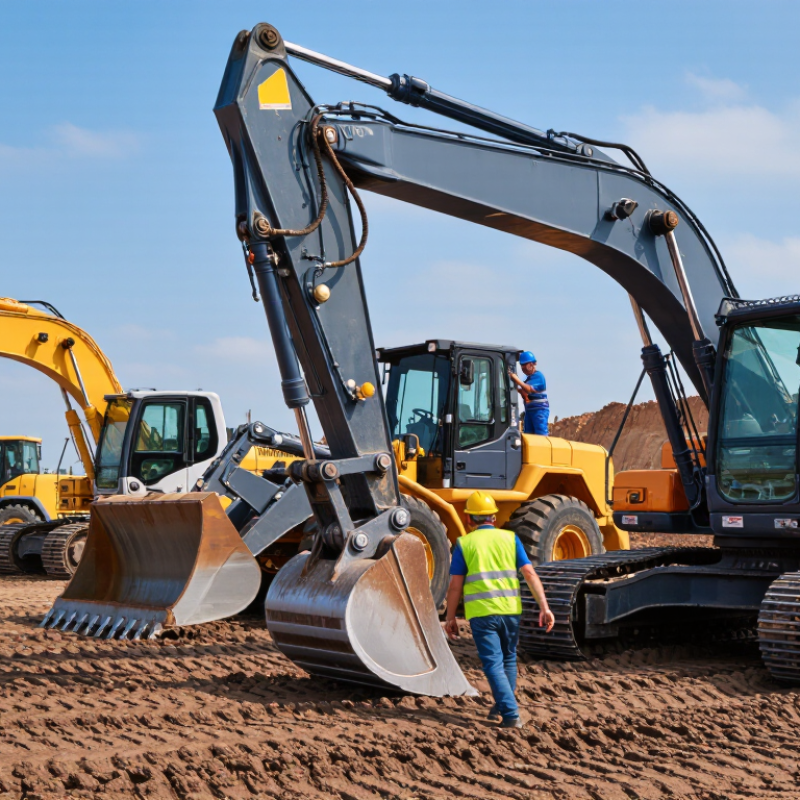
Heavy equipment operation involves far more than moving levers and driving across a worksite. An operator inspects fluid levels, tires or tracks, attachments, alarms, and visible damage before starting. This routine reveals small problems before they become costly failures or unsafe events. Inside the cab, hand controls, foot pedals, gauges, and cameras demand steady attention. The machine responds slowly, but the surroundings can change quickly. Workers may enter blind areas. Clear signals and radio communication matter. A qualified operator confirms the task, ground conditions, load limits, and traffic path. Training should include supervised practice, equipment manuals, and site-specific safety rules.
The work also requires judgment. Soft soil can tilt a machine, while overhead lines and narrow gates reduce safe clearance. An experienced operator watches bucket position, swing radius, weather, and nearby crews. They stop when visibility fails or instructions conflict. That decision may delay production, yet it protects people and equipment. Daily logs add reliability by recording defects, maintenance needs, operating hours, and unusual vibrations. Mistakes are expensive. Training is never perfect. A familiar site can encourage overconfidence, and a rushed inspection can miss a warning sign. Regular refresher sessions, honest reporting, and supervisor feedback help correct these gaps. Learning heavy equipment operation requires patience, discipline, and constant awareness.
Heavy equipment operation involves controlling powerful machines for excavation, lifting, grading, loading, and material handling. The chart compares representative operating weights for common equipment categories, showing why operators need machine-specific training, careful maneuvering, and strong awareness of ground conditions and surrounding hazards.
Values are representative operating weights in metric tonnes; actual weights vary by machine size, attachments, fuel, and configuration.
Why Learn to Operate Heavy Equipment?
Skills and Training Needed to Operate Heavy Machinery
Heavy equipment operation requires more than strength or confidence. Operators must read site plans, inspect machines, control blind spots, and communicate with ground crews. A daily walk-around should check tires, hydraulic lines, alarms, guards, and fluid leaks. Small defects can become serious failures.
Formal training usually combines classroom lessons, practical demonstrations, and supervised operation. Useful skills include equipment controls, load awareness, soil conditions, basic maintenance, and emergency procedures. The U.S. Occupational Safety and Health Administration requires employers to train workers for specific hazards and verify their competence. The National Center for Construction Education and Research also emphasizes written knowledge and hands-on performance assessments.
Practice matters most.
The U.S. Bureau of Labor Statistics reported a median annual wage of $55,270 for construction equipment operators in May 2023. It projects employment growth of 4% from 2023 to 2033. These figures show steady demand, but wages do not measure readiness. The National Safety Council recorded 5,283 fatal work injuries in the United States during 2023. Equipment training cannot remove every risk, especially on crowded sites or uneven ground.
A certificate alone does not make me ready. I still need feedback, slower decisions, and repeated checks. Experienced operators often notice changing ground pressure before a machine feels unstable. That judgment develops through supervised hours, honest reporting, and careful reflection after mistakes. Sources: U.S. Bureau of Labor Statistics, Occupational Outlook Handbook, 2024; OSHA, Training Requirements in OSHA Standards; National Safety Council, Injury Facts 2024.
Construction sites, mines, farms, ports, and utility projects depend on skilled heavy equipment operators. They move soil, lift materials, clear access routes, and prepare foundations. A poorly judged turn can damage underground services or delay an entire crew.
The U.S. Bureau of Labor Statistics projects 5% employment growth for construction equipment operators from 2023 to 2033. It also reports a median annual wage of $55,240 in May 2023. Infrastructure demand supports this need. The American Society of Civil Engineers gave U.S. infrastructure a C grade in its 2021 report card. That gap requires more than machines. It requires operators who understand terrain, load limits, weather, and communication.
Tips: Learn daily inspection routines before chasing speed. Watch hydraulic lines, tire pressure, warning lights, and blind spots. Keep the cab clean enough to find controls quickly. Training helps, but it does not remove judgment. Even experienced operators misread wet ground sometimes. Stop, reassess, and ask when conditions change. The Mine Safety and Health Administration emphasizes task training, workplace examinations, and hazard awareness in mining operations. Those habits also matter on construction and utility sites. A certificate may open the gate, but careful decisions keep people and equipment moving.
Learning heavy equipment operation can open practical career paths in construction, utilities, agriculture, road maintenance, and site preparation. Employers often value operators who combine technical ability with dependable safety habits. A trained operator checks fluid levels, inspects hydraulic lines, tests controls, and identifies hazards before moving a machine. These routines protect people, equipment, and project schedules.
The work also builds skills that transfer across job sites. Operators read grading plans, judge ground conditions, follow hand signals, and communicate clearly with ground crews. Experience with excavators, loaders, or compactors may support progression toward specialized roles, crew leadership, or site coordination. Higher earnings are possible, but they are never automatic. Location, experience, certifications, and the employer’s needs all matter.
The learning curve can be humbling. A machine may respond differently on wet soil, a slope, or a crowded site. New operators sometimes focus too closely on the bucket and miss changing conditions around them. That weakness requires honest feedback and supervised practice. Recognized safety instruction, documented operating hours, and regular equipment inspections can strengthen professional credibility. The strongest operators remain alert, even during familiar tasks, because routine can quietly create dangerous confidence.
Why Learn to Operate Heavy Equipment?
Safety Responsibilities and Professional Standards
Learning to operate heavy equipment is not only about moving earth, lifting materials, or finishing work faster. It means accepting responsibility for people, property, and the machine itself. A trained operator checks the work area before starting. They look for unstable ground, overhead lines, pedestrians, and hidden obstacles. The cab may feel secure, but blind spots can conceal a person within seconds.
Professional standards begin with competence. Operators should complete approved training, understand local requirements, and follow the equipment manual. A pre-start inspection should cover tires or tracks, fluid leaks, brakes, alarms, attachments, and visible damage. Small faults matter. A loose mirror or weak warning alarm can become a serious risk in a crowded worksite. Clear signals and radio communication also prevent confusion during reversing and loading.
Good judgment matters more than confidence. Stop the machine when visibility is poor, weather changes, or the load behaves unexpectedly. Never exceed rated capacity or allow unauthorized passengers. Near misses should be reported, not hidden, because silence removes valuable evidence. Even careful operators miss things. I still believe every inspection deserves a second look, especially after a rushed morning. Professionalism is not perfection. It is recognizing limits, asking questions, and correcting unsafe habits before someone gets hurt.
| Safety Responsibility | Professional Standard or Expected Practice | Recommended Frequency | Operator Action | Documented Evidence | Relevant Reference |
|---|---|---|---|---|---|
| Formal Training and Qualification | Operate equipment only when the worker has received instruction, practical training, and an evaluation appropriate to the machine and assigned task. | Before assignment | Complete classroom or online instruction, hands-on practice, and a performance assessment. Do not operate unfamiliar equipment without authorization. | Training record, evaluation form, and authorization list | OSHA 29 CFR 1926.20(b)(4); OSHA 29 CFR 1926.21(b)(2) |
| Pre-Operation Inspection | Inspect controls, brakes, steering, tires or tracks, fluid systems, attachments, alarms, lights, seat belts, and visible structural components before use. | Before each shift | Use the manufacturer’s inspection procedure or site checklist. Tag out and report equipment with safety-critical defects. | Completed inspection checklist and defect report | OSHA 29 CFR 1926.20(b)(2); equipment manufacturer instructions |
| Seat Belt and Operator Restraint | Use the installed seat belt or operator restraint whenever the equipment is in motion or operating. | Every operation | Adjust the restraint before starting work and never defeat or remove a required protective system. | Supervisor observation or safety audit | OSHA 29 CFR 1926.602(a)(2)(i); OSHA 29 CFR 1926.95 |
| Personal Protective Equipment | Wear PPE selected through a hazard assessment, which may include a hard hat, high-visibility apparel, safety footwear, eye protection, hearing protection, and task-specific gloves. | For the assigned task | Inspect PPE before use, replace damaged items, and keep loose clothing away from moving parts. | PPE assessment, inspection record, and field observation | OSHA 29 CFR 1926.95; OSHA 29 CFR 1926.100; OSHA 29 CFR 1926.101 |
| Work-Zone Awareness | Maintain a controlled operating area that accounts for swing radius, travel path, uneven ground, trenches, overhead hazards, and nearby workers. | Before and during work | Review the site plan, establish exclusion zones, use barriers where practical, and stop when conditions change. | Job hazard analysis, daily briefing, and site inspection | OSHA 29 CFR 1926.20(b)(2); OSHA 29 CFR 1926.200 |
| Communication and Spotter Use | Use clear, agreed-upon signals when visibility is restricted or workers are near the equipment. Only one designated signal person should direct the operator at a time. | When visibility is limited | Stop immediately if the signal is lost, unclear, or inconsistent. Confirm hand signals or radio procedures before movement. | Pre-task briefing and spotter assignment | OSHA 29 CFR 1926.20(b)(4); OSHA 29 CFR 1926.1419 and 1926.1422 where crane operations apply |
| Safe Travel and Parking | Travel at a controlled speed suitable for the surface, visibility, load, slope, and pedestrian activity. Park securely with attachments lowered and controls neutralized. | During every movement | Maintain a safe operating distance, use designated routes, apply the parking brake, and shut down according to site procedures. | Operator checklist and supervisor observation | OSHA 29 CFR 1926.602(a); equipment operating manual |
| Load and Attachment Control | Use only compatible attachments and stay within the equipment’s rated capacity, stability limits, and approved operating configuration. | Before each task | Verify attachment locking devices, inspect lifting or connection points, keep loads stable, and avoid exceeding rated capacity. | Capacity chart review, attachment inspection, and work permit where required | OSHA 29 CFR 1926.602(a); manufacturer load and attachment specifications |
| Energy Isolation and Maintenance | Prevent unexpected startup or release of stored energy before maintenance, cleaning, unjamming, or entry into hazardous areas. | Before servicing | Shut down, isolate, block or secure raised components, release stored energy, and apply lockout or tagout when applicable. | Lockout/tagout record and maintenance authorization | OSHA 29 CFR 1910.147; OSHA 29 CFR 1926.600(a)(3) |
| Incident and Defect Reporting | Report collisions, near misses, equipment damage, fluid leaks, alarm failures, and unsafe site conditions promptly. | Immediately | Stop work when there is an imminent hazard, secure the area, notify the responsible supervisor, and preserve relevant information. | Near-miss report, defect ticket, and corrective-action record | OSHA 29 CFR 1926.20(b)(2); site safety management procedure |
| Continuing Competence | Refresh skills after a near miss, unsafe observation, equipment change, extended absence, or change in work conditions. | As conditions require | Participate in refresher training and demonstrate safe performance before resuming independent operation. | Refresher training record and reassessment | OSHA 29 CFR 1926.20(b)(4); OSHA 29 CFR 1926.21(b)(2) |