How to Learn to Drive Heavy Equipment Effectively?
Learning to drive heavy equipment is a crucial skill in various industries. It opens doors to numerous job opportunities. This skill requires not just knowledge but practical experience.
To effectively learn to drive heavy equipment, one must comprehend the complexities involved. Different machines, such as bulldozers and excavators, have unique controls. Understanding these can be challenging for beginners. One must also grasp safety regulations and maintenance needs to operate safely.
Hands-on training is vital. Many newcomers make mistakes that could be avoided with proper guidance. Seeking instruction from experienced operators or enrolling in accredited programs can enhance the learning process. Reflecting on your experience during training can help identify areas needing improvement. With commitment and practice, mastering the operation of heavy equipment is achievable.
Understanding the Basics of Heavy Equipment and Its Types
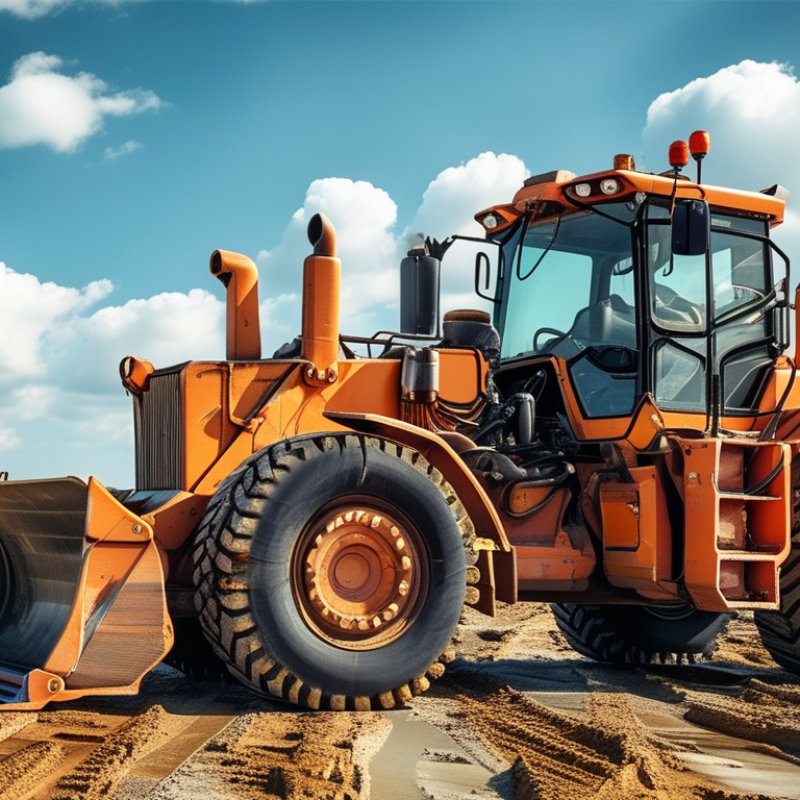
Understanding heavy equipment is crucial for effective learning and operation. Heavy equipment includes bulldozers, excavators, cranes, and more. Each type serves a specific function in construction, mining, and other industries. According to the U.S. Bureau of Labor Statistics, employment in heavy equipment operation is projected to grow by 10% from 2020 to 2030. This growth indicates a rising demand for skilled operators.
Recognizing the characteristics of different equipment types is vital. For example, bulldozers are known for their strong pushing power, while excavators excel in digging and lifting. These distinctions allow operators to select the right machinery for specific tasks. Studies show that poorly trained operators can lead to a 50% increase in maintenance costs and safety incidents. Thus, understanding these fundamentals directly impacts cost-effectiveness and safety on job sites.
Training methods vary across sectors. Some focus on hands-on experiences, while others prioritize theoretical knowledge. Many programs utilize simulators for initial training. However, real-world practice is necessary for developing muscle memory. A reliance on simulation alone can lead to overconfidence and inadequate skills in actual operation. Ongoing education and reflection on past experiences can help improve overall proficiency and adaptability in a rapidly evolving field.
Essential Safety Protocols for Operating Heavy Equipment
Operating heavy equipment requires strict adherence to safety protocols. The Occupational Safety and Health Administration (OSHA) reports that about 420 fatal injuries occurred in the construction industry in 2019, with many linked to equipment operation. Proper training and safety practices can greatly reduce such incidents.
Protocol begins with pre-operation checks. Inspecting machinery for malfunctions or defects ensures a safe working environment. Operators should be familiar with emergency shut-off systems. Communication with ground crew is vital. Clear signals prevent misunderstandings that could lead to accidents. In fact, studies show that effective communication can reduce equipment-related incidents by up to 25%.
Personal protective equipment (PPE) is also essential. Operators must wear helmets, gloves, and safety shoes. NIOSH recommends rigorous PPE usage to mitigate injuries. Additionally, training should focus on recognizing hazards specific to equipment operation.
Understanding blind spots and equipment limits can enhance safety. Situational awareness cannot be overstated; distractions can lead to mistakes. Reflecting on these aspects is crucial for improving safety outcomes in heavy equipment operation.
Choosing the Right Training Program for Heavy Equipment Operation
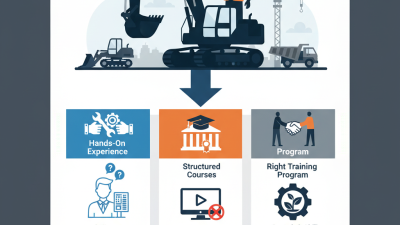
Choosing the right training program for heavy equipment operation is crucial for effective learning. A quality program should combine both theoretical knowledge and hands-on experience. According to the National Center for Construction Education and Research (NCCER), more than 60% of heavy equipment operators report that on-the-job training is essential for understanding complex machinery. This high percentage highlights the importance of practical experience during training.
When selecting a training program, consider accreditation and the qualifications of instructors. Programs endorsed by industry bodies ensure a higher standard of education. Reports show that operators educated through accredited programs tend to have lower accident rates. Additionally, ensure the training facility offers updated equipment. The industry evolves, and new technologies emerge frequently. Training on modern machinery prepares operators for real-world challenges.
A program should also include safety training. The Occupational Safety and Health Administration (OSHA) states that about 20% of all worker fatalities are from construction-related incidents. Reflecting on this statistic, training should not only focus on operation skills but also emphasize safety protocols. Effective training prepares operators for equipment handling while fostering a strong safety culture.
Mastering Control and Maneuvering Techniques in Heavy Equipment
Mastering control and maneuvering techniques in heavy equipment requires focused practice and understanding. Precision is key in operators' training. Research shows that 74% of heavy equipment accidents stem from operator error. Knowing how to navigate and control various machines significantly enhances safety.
Effective learning begins with familiarizing yourself with key controls. Each machine has unique features. Operators must adapt their skills accordingly. Classroom training combined with hands-on practice can be beneficial. A study by the National Institute for Occupational Safety and Health highlights that training reduces accident rates by up to 50%. This proves that well-structured programs lead to better performance.
Reflecting on your own skills is essential. New operators may overestimate their abilities, leading to risky maneuvers. It's important to recognize areas needing improvement. Seeking feedback from experienced operators can provide valuable insights. Continuous learning and gaining experience in different environments enhance your adaptability and confidence. Mastery of heavy equipment is a process that involves both successes and learning moments.
Practicing Real-Life Scenarios for Effective Heavy Equipment Operation
Practicing real-life scenarios is crucial for mastering heavy equipment operation. This process allows learners to connect theory with practice. By simulating various work environments, operators can experience the challenges they will face in the field. For example, a beginner might practice loading materials on uneven ground. This not only tests their skill but helps them develop problem-solving abilities.
Another effective approach is to use role-playing scenarios. By creating situations where operators must make quick decisions, they learn to respond under pressure. Imagine a scenario where machinery fails during operation. A well-prepared operator should assess safety risks, troubleshoot, and manage the equipment accordingly. These unexpected moments can be intimidating, yet they are the best teachers.
The key lies in reflecting on experiences after each practice session. Operators should ask themselves what went well and where they struggled. This reflection fosters growth and helps identify areas for improvement. Engaging in discussions with experienced operators can further enhance learning. Sharing insights and seeking feedback turns each session into a valuable learning opportunity. This ongoing process is vital for mastering the nuances of heavy equipment operation.
How to Learn to Drive Heavy Equipment Effectively? - Practicing Real-Life Scenarios for Effective Heavy Equipment Operation
| Scenario |
Equipment Type |
Skill Focus |
Safety Tips |
| Loading and Unloading |
Excavator |
Precision Control |
Always check surroundings |
| Site Preparation |
Bulldozer |
Surface Leveling |
Wear a seatbelt |
| Road Maintenance |
Grader |
Material Distribution |
Use flashing lights |
| Excavation |
Backhoe |
Digging Techniques |
Check for underground utilities |
| Material Handling |
Forklift |
Load Balancing |
Keep load at eye level |