

What Are the Top Power Equipment Manufacturers in China?
China’s power equipment sector spans a wide industrial landscape, from transformers and switchgear to generators, turbines, and grid-control systems. Its leading manufacturers differ in scale, technical focus, and international reach. A useful comparison therefore looks beyond company size. It examines product specialization, manufacturing capacity, testing practices, project experience, and after-sales support.
Electrical pioneer Thomas Edison is often credited with saying, “We will make electricity so cheap that only the rich will burn candles.” The quotation is widely repeated, though its exact wording and attribution are not consistently documented. Its central idea still resonates: dependable, affordable electricity depends on practical engineering, not ambitious claims alone. That distinction matters when assessing power equipment suppliers.
This guide introduces prominent Chinese manufacturers and the strengths they are known for. It considers evidence buyers can verify, such as published product specifications, recognized certifications, documented installations, and service coverage. A polished catalogue is not proof of performance. Nor does one successful project tell the whole story. Real evaluations require careful questions about operating conditions, delivery schedules, spare parts, and long-term maintenance. Some details remain difficult to compare across companies, and that is worth acknowledging. The aim is not to declare a universal winner, but to help readers identify manufacturers that fit their technical requirements, budget, and project setting.
What Is Power Equipment and What Role Does It Play?
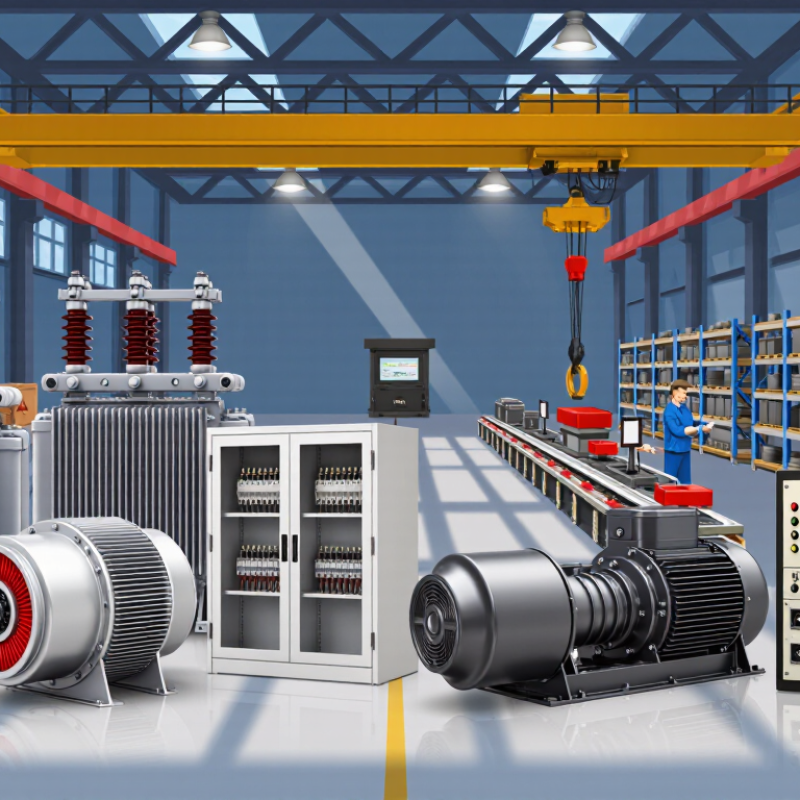
Power equipment is the hardware that generates, converts, controls, and delivers electricity. It includes generators, transformers, switchgear, circuit breakers, cables, and protective relays. Each component has a specific job. A transformer, for example, raises voltage for long-distance transmission and lowers it for safer local distribution. Switchgear helps isolate faults, while relays detect abnormal conditions and trigger protective actions.
The system works as a chain. A fault in one section can interrupt supply elsewhere, so equipment must operate together and withstand heat, moisture, vibration, and changing loads. Small details matter. A loose connection can create heat; a poorly matched transformer can waste energy or constrain capacity. Bigger is not always better. Selection depends on load, operating conditions, maintenance access, and future demand—and these factors are sometimes harder to predict than a specification sheet suggests.
The need for reliable equipment is growing. The International Energy Agency’s Electricity 2024 report projects global electricity demand growth averaging about 3.4% annually from 2024 to 2026. In its 2023 report, Electricity Grids and Secure Energy Transitions, the IEA says annual grid investment needs to rise from roughly USD 300 billion to more than USD 600 billion by 2030. That scale reflects the role of power equipment: connecting generation to users, supporting stable service, and helping grids accommodate new demand. Equipment alone cannot guarantee reliability. Design, installation, inspection, and timely maintenance matter too.
| Equipment Type | What It Does | Typical Components or Characteristics | Where It Is Used | Role in the Power System |
|---|---|---|---|---|
| Power transformers | Change AC voltage levels through electromagnetic induction. | Usually include a magnetic core, windings, insulation, bushings, and a cooling system. Ratings and designs vary by application. | Generating stations, substations, industrial facilities, and distribution networks. | Step voltage up for efficient long-distance transmission or down for distribution and use. |
| Switchgear | Switch, control, and isolate electrical circuits. | May include circuit breakers, disconnectors, busbars, protection devices, and measurement equipment; designs are made for different voltage levels. | Substations, power plants, commercial buildings, and factories. | Helps control power flows and isolate equipment during faults or maintenance. |
| Generators | Convert mechanical energy into electrical energy. | Common designs use rotating machines, such as synchronous generators; output and cooling arrangements depend on the prime mover and application. | Thermal and hydropower stations, wind turbines, backup systems, and industrial sites. | Produce electricity for grid supply, on-site use, or emergency backup. |
| Power cables and conductors | Carry electrical current between equipment and across network sections. | Include conductors and insulation or protective layers as required; overhead lines and underground cables use different constructions. | Transmission and distribution lines, substations, buildings, and industrial plants. | Connect generation, grid infrastructure, and end users. |
| Protection and control systems | Monitor electrical conditions and issue control or trip commands. | Use instruments, protective relays, control units, and communications; settings are tailored to the system being protected. | Generating stations, substations, and network control facilities. | Detect abnormal conditions and help limit damage, outages, and safety risks. |
| Power conversion equipment | Convert electrical power between forms, such as AC and DC, or regulate its characteristics. | May use power-electronic converters, transformers, filters, and control systems. | High-voltage direct-current links, renewable-energy systems, rail networks, and industrial drives. | Supports integration of different networks and sources and enables controlled power transfer. |
| Note: Equipment specifications vary with voltage level, capacity, installation conditions, and applicable standards. This table describes equipment categories and functions; it does not rank manufacturers or identify companies or brands. | ||||
Related Posts
-
What is Power Equipment and How to Choose the Right Type for Your Needs
-
Top 10 Power Heavy Equipment Every Buyer Should Know?
-
2026 Top Trends in Construction Machinery and Equipment Innovations?
-
Why Choose Heavy Duty Equipment for Your Business Needs?
-
What Is the Best Industrial Moving Equipment from China?
-
Top Tips for Buying Heavy Earth Moving Equipment?