What Is the Best Industrial Moving Equipment from China?

Choosing the best industrial moving equipment from China requires more than comparing catalogue prices. It demands evidence from the factory floor, verified specifications, and realistic operating conditions.

The International Federation of Robotics reported 276,288 industrial robot installations in China during 2023. That figure represented about 51% of global installations, according to World Robotics 2024. The data shows China’s manufacturing depth, but it does not automatically prove equipment quality. MHI’s 2024 Annual Industry Report also highlights robotics, automation, and workforce capability as major supply-chain priorities. Buyers should connect those trends with their own loads, travel distances, floor conditions, and maintenance skills.

James M. Apple Jr., a respected material-handling authority, stated, “The material handling system must be designed to move the right material, to the right place, at the right time, in the right quantity, and in the right condition.” That principle remains practical today. A suitable Chinese solution may include hydraulic skates, electric pallet trucks, gantry systems, transfer carts, or modular transporters. The correct choice depends on payload, steering control, duty cycle, turning radius, and site safety.

Look beyond the bright showroom.

Request load-test records, component brands, welding standards, battery details, and spare-parts lead times. Ask for an on-site trial when possible. A lower quotation may hide weak after-sales support or expensive downtime. That risk deserves attention.

No product is universally best. Even this comparison has limits. The strongest decision combines independent inspection, operator feedback, lifecycle cost, and documented compliance with applicable safety requirements.

What Is the Best Industrial Moving Equipment from China?

Types of Industrial Moving Equipment Made in China

What Is the Best Industrial Moving Equipment from China?
Types of Industrial Moving Equipment Made in China

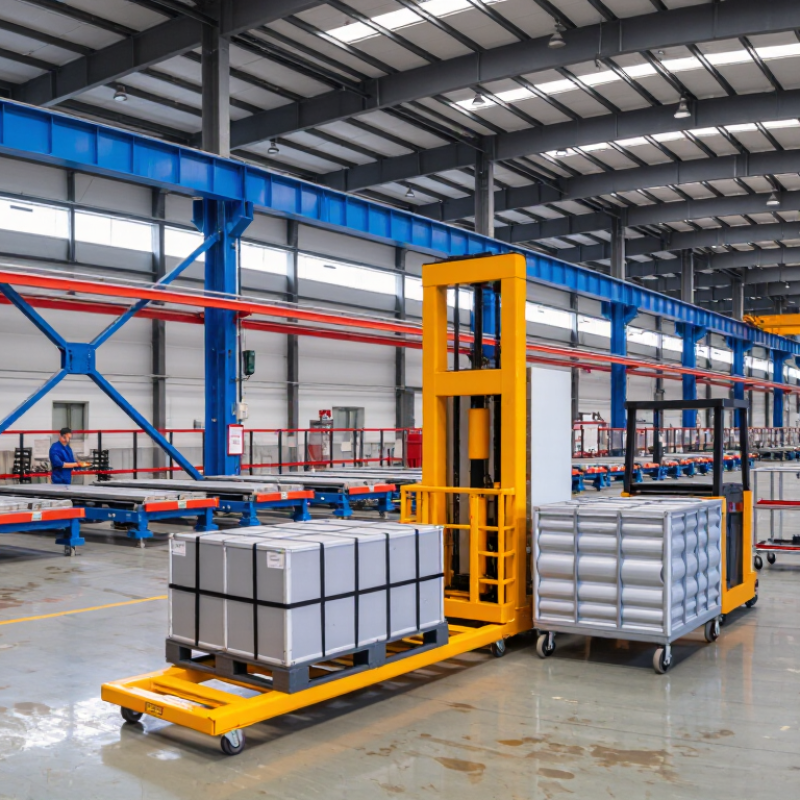
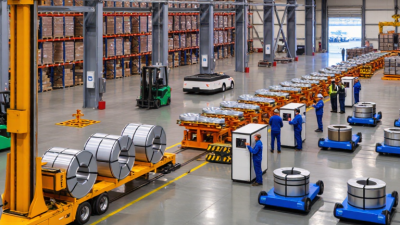
Chinese manufacturers produce several types of industrial moving equipment for factories, workshops, warehouses, and construction sites. Machinery skates use steel rollers and swivel frames to move heavy machines across smooth floors. Hydraulic toe jacks lift equipment from low clearance points, such as under a press or generator. They are compact and useful in tight working areas.

Hydraulic gantry systems can raise transformers, tanks, and production lines without overhead cranes. Electric transfer carts move loads along fixed tracks or level workshop routes. Air casters create a thin air cushion beneath large equipment, reducing floor friction. They work best on clean, sealed floors. The floor matters. Uneven surfaces can reduce stability.

Some Chinese suppliers also manufacture manual winches, electric winches, lifting clamps, modular trailers, and adjustable machine skates. Selection should match load capacity, travel distance, floor condition, turning radius, and available power. A 20-ton cart may not safely move a concentrated 20-ton load if its wheels are poorly positioned. Details decide.

Reliable purchasing requires more than checking a catalog. Request load tests, material specifications, operating instructions, spare-part details, and inspection records. Confirm whether rated capacity applies to one unit or a complete set. In real facilities, clearance is often underestimated. A trolley may fit beneath a machine but fail during turning. That mistake is common, and it deserves a second measurement. Safety guards, brakes, emergency stops, and trained operators should be verified before use.

Key Features to Compare Before Choosing Equipment

Choosing industrial moving equipment from China requires more than comparing purchase prices. Start with rated capacity, load center, lift height, turning radius, and floor conditions. A 2,000-kilogram truck may not safely carry that weight at maximum height. Ask for test records, duty-cycle results, and traceable component specifications. ISO 5053-1 provides terminology for powered industrial trucks, while ISO 3691-4 addresses driverless truck safety.

Safety deserves measurable attention. The U.S. Occupational Safety and Health Administration reports that forklifts cause about 85 fatalities and 35,000 serious injuries annually in the United States. Compare braking distance, visibility, emergency stops, warning systems, and operator access. For automated equipment, check obstacle detection, speed control, fail-safe behavior, and manual recovery. It sounds basic. It is often overlooked.

Energy use can change the real cost. Compare battery chemistry, charging time, expected cycles, and replacement access. MHI’s 2024 Annual Industry Report found that 67% of supply-chain professionals planned to increase technology investment, showing stronger demand for automation and measurable productivity. Yet automation is not always better. A small warehouse may lose flexibility if software integration is weak. Request communication protocols, spare-parts lead times, remote-diagnostic controls, and local technician training. Field trials matter more than polished brochures, although even a short trial can miss seasonal workloads. For Chinese equipment, verify factory quality systems, inspection records, load testing, and documentation translated accurately for the operating team.

Top Chinese Equipment Options for Different Industrial Tasks

Chinese industrial moving equipment covers a wide range of factory and warehouse tasks. The best choice depends on load weight, floor condition, travel distance, and lifting height. Electric pallet trucks suit narrow aisles and frequent short movements. They work well around packing lines, where quiet operation matters. Manual hydraulic pallet trucks remain practical for occasional transfers and limited budgets.

For heavier loads, electric or diesel forklifts provide stronger lifting capacity. Electric models fit enclosed workshops because they produce no exhaust fumes during operation. Diesel units perform better outdoors, especially on uneven yards or loading areas. Hydraulic lift tables help workers raise molds, crates, or machine parts to a comfortable height. For long, controlled movement, battery-powered platform carts can carry bulky items across large facilities.

Details matter more than catalog promises. Check rated capacity at the required lifting height, not only the maximum figure. Measure aisle width, turning radius, ramp angles, and door clearance before ordering. Battery charging time also affects shift planning. A useful inspection includes weld quality, brake response, mast stability, controls, and spare-part availability. Low prices can be attractive, but weak after-sales support may create expensive delays. I have seen equipment selected correctly on paper but poorly matched to the floor surface. That mistake deserves more attention. Safety guards, operator training, maintenance records, and applicable local standards should be verified before daily use.

What Is the Best Industrial Moving Equipment from China? - Top Chinese Equipment Options for Different Industrial Tasks

A practical comparison of commonly manufactured industrial moving equipment by task, operating range, and application suitability

Equipment Type Primary Industrial Task Typical Rated Capacity Typical Working Height or Range Power or Drive Options Best Operating Environment Key Advantages Main Limitations Suitability
Electric Pallet Truck Moving palletized goods over short distances in warehouses, production lines, and loading areas 1,500–2,500 kg Travel distance generally up to several hundred metres per operating cycle; fork lift height commonly 80–200 mm 24 V or 48 V battery-powered electric drive Indoor warehouses, smooth concrete floors, distribution centres Low operating noise, compact turning radius, reduced manual pushing effort, and zero direct exhaust emissions Not designed for high stacking; performance decreases on uneven surfaces or long outdoor routes High
Electric Reach Truck High-level pallet storage and retrieval in narrow warehouse aisles 1,200–2,500 kg Approximately 6–12 m lift height, depending on mast configuration 24 V or 48 V battery-powered electric drive Indoor warehouses with racking systems and level floors High storage density, strong visibility for elevated loads, and suitability for narrow aisles Requires trained operators, level flooring, and adequate aisle clearance; less suitable for rough outdoor terrain High
Counterbalance Forklift Loading, unloading, stacking, and transporting palletized or non-palletized industrial materials 1,500–10,000 kg Approximately 3–7 m lift height for common warehouse and factory configurations Battery-electric, liquefied petroleum gas, diesel, or other internal-combustion configurations Factories, yards, docks, warehouses, and mixed indoor/outdoor operations Versatile attachment options, strong load-handling capability, and broad application range Needs sufficient turning space; combustion versions generate exhaust emissions and require ventilation High
Rough-Terrain Forklift Moving construction materials, steel products, timber, and supplies across unpaved or uneven sites 2,500–5,000 kg Approximately 3–6 m lift height Diesel-powered four-wheel drive is common Construction sites, outdoor yards, agricultural facilities, and uneven ground High ground clearance, durable chassis, and improved traction on uneven terrain Higher fuel consumption, larger turning radius, and limited suitability for clean indoor areas Moderate to High
Electric Scissor Lift Vertical access for maintenance, lighting, installation, inspection, and indoor fitting work Platform loads commonly 230–450 kg Approximately 6–14 m platform height Battery-electric drive and hydraulic lifting system Indoor factories, warehouses, shopping facilities, and smooth outdoor slabs Large stable work platform, low noise, and precise vertical positioning Primarily vertical movement; limited performance on slopes, rough terrain, or strong wind High
Articulating Boom Lift Accessing elevated work areas with obstacles, offsets, or complex building structures 200–250 kg platform load is common Approximately 12–25 m working height Battery-electric, hybrid, or diesel-powered configurations Industrial maintenance, steel structures, warehouses, and outdoor construction areas Flexible outreach, articulated positioning, and access over obstacles Higher purchase and operating cost; requires careful setup and trained operation High
Telescopic Boom Lift Long-reach elevated installation, structural work, façade maintenance, and construction handling 230–450 kg platform load is common Approximately 16–40 m working height, depending on configuration Diesel, battery-electric, or hybrid drive systems Large outdoor sites, construction projects, industrial plants, and infrastructure work Long horizontal reach, high working height, and strong outdoor mobility Requires substantial operating space and ground stability; wind restrictions may apply Moderate to High
Electric Tow Tractor Pulling multiple carts or trailers through factories, airports, warehouses, and logistics facilities 1,000–50,000 kg towing capacity, depending on model and floor conditions Ground-level towing; no lifting function Battery-electric drive, commonly 24 V, 48 V, or 80 V Indoor logistics routes, assembly plants, airports, and distribution centres Efficient multi-cart transport, low noise, and reduced forklift traffic in production areas Cannot independently lift loads; requires compatible carts, hitch systems, and planned routes High
Manual Hydraulic Pallet Jack Short-distance pallet movement and positioning at low operating frequency 2,000–5,000 kg Fork lift height commonly 75–200 mm Manual hydraulic pump and operator-powered steering Small warehouses, retail backrooms, workshops, and loading docks Low acquisition cost, simple maintenance, and no battery-charging infrastructure Labour-intensive for frequent movement, long distances, or heavy loads Moderate
Hydraulic Dock Leveler Bridging the height gap between loading docks and truck beds during loading operations Commonly 6,000–12,000 kg distributed load capacity Vertical adjustment commonly about 300–400 mm, depending on dock design Electric motor with hydraulic power unit Distribution centres, factories, cold-storage facilities, and loading bays Improves loading safety, supports powered material-handling equipment, and reduces manual handling Fixed installation; requires civil works, drainage planning, and regular inspection High
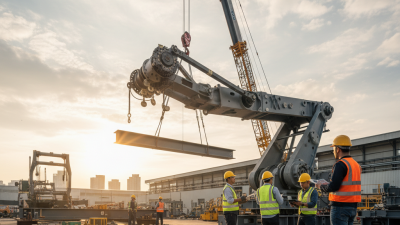
Mobile Hydraulic Crane Lifting and positioning heavy machinery, structural components, and industrial equipment Approximately 10–100 tonnes for common industrial configurations Typical boom reach approximately 10–50 m, depending on crane class and load chart Diesel-hydraulic or electric-hydraulic systems Industrial plants, construction sites, shipyards, and outdoor lifting zones High lifting capacity, mobility between work areas, and flexible boom positioning Requires certified lifting plans, stable ground, exclusion zones, and qualified operators High
Electric Chain Hoist Vertical lifting and positioning of dies, motors, tools, and production components 0.5–10 tonnes for common factory installations Typical lifting height 3–12 m Electric motor with chain lifting mechanism Workshops, assembly lines, maintenance bays, and overhead crane systems Compact design, precise load positioning, and convenient installation on beams or cranes Requires suitable structural support and is not intended for horizontal travel without a trolley High
Overhead Bridge Crane Moving heavy loads across production halls, fabrication shops, and maintenance facilities 5–100 tonnes or more, subject to runway and structural design Lift height and span are engineered for the building; common spans range from 10–40 m Electric hoist with powered bridge and trolley movement Permanent indoor industrial buildings with engineered runway structures Efficient use of floor space, high lifting capacity, and broad coverage of a defined work area High installation cost and limited flexibility after the runway system is installed High
Self-Propelled Modular Transporter Moving exceptionally heavy machinery, plant modules, vessels, and prefabricated structures Hundreds to thousands of tonnes, based on the number of axle lines and modules Ground-level transport with hydraulic suspension and platform height adjustment Diesel-hydraulic or electric-hydraulic drive with remote control Shipyards, power projects, petrochemical plants, bridge construction, and heavy fabrication sites High manoeuvrability, load distribution across multiple axle lines, and precise positioning Very high planning, infrastructure, and operating requirements; unsuitable for routine warehouse work Specialized
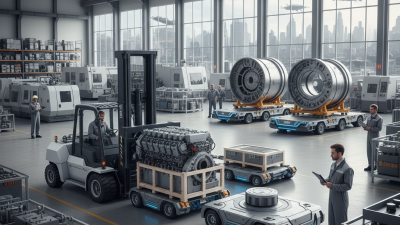
Automated Guided Vehicle Repetitive, scheduled movement of materials between storage, production, and assembly stations 500–2,000 kg for common pallet and tugger configurations; heavier models are available Ground-level transport; route length depends on facility layout Rechargeable battery with magnetic, QR-code, laser, or sensor-based navigation Structured factories, warehouses, and controlled indoor logistics environments Consistent routes, reduced manual transport, traceable movement, and integration with warehouse systems Higher integration cost; requires reliable floor conditions, mapped routes, and traffic management High
Selection note: Actual capacity, lift height, travel speed, battery life, safety features, and operating limits vary by configuration and applicable standards. Confirm the load centre, floor conditions, duty cycle, aisle width, environmental requirements, and local certification requirements before purchase.

Safety, Quality, and Certification Standards to Check

What Is the Best Industrial Moving Equipment from China?

The best industrial moving equipment is not always the cheapest option. Safety evidence should guide the purchase. Check rated capacity, stability, braking performance, and emergency controls before comparing prices. A hydraulic machine mover should include a clear load chart and visible warning labels. Test the equipment under realistic floor conditions, including small cracks and uneven joints. A rated capacity is not a guarantee when loads are poorly balanced.

Tips: Request factory test records, material certificates, inspection photos, and a traceable serial number. Confirm whether the supplier follows ISO 9001 quality procedures. Check CE documentation when the equipment enters applicable European markets, but do not treat a certificate alone as proof of quality. Standards and required documents can differ by destination. Independent inspection is often worth the cost. It may reveal loose welds, weak casters, or incomplete manuals.

Quality also appears in small details. Look for protected hydraulic hoses, reinforced frames, corrosion-resistant finishes, and replaceable wear parts. Ask for load testing with signed results, not only attractive product images. Verify that operators can read the manual and understand maintenance intervals. Some suppliers provide excellent paperwork but weak after-sales support. That gap deserves attention. A careful buyer should check spare-part availability, response times, warranty terms, and training options before shipment. One overlooked detail can stop an entire production line.

How to Select the Best Supplier and Equipment Package

Selecting the best industrial moving equipment from China starts with the supplier, not the catalog.

A capable supplier should understand your load weight, floor conditions, aisle width, turning radius, and daily operating cycle. Ask for a complete equipment package, including transporters, lifting tools, batteries, chargers, controls, spare parts, and safety accessories. A low equipment price can become expensive when essential components are excluded.

Request drawings, load charts, operating manuals, inspection records, and test videos for the proposed system. Confirm whether the equipment is tested under conditions similar to your site. A factory audit, either in person or through an independent inspector, can reveal welding quality, assembly practices, and storage conditions. Check the supplier’s experience with comparable machinery, not only its years in business.

Small details matter.

Ask how quickly replacement parts can be supplied and who will train your operators. Clarify installation support, warranty limits, response times, and responsibility for commissioning. Payment protection and written specifications also improve reliability. I once underestimated turning space during an equipment selection, and the transport plan needed revision. That mistake showed me why site measurements must be verified before ordering. Supplier claims should support your own calculations, not replace them. A well-matched package may include fewer machines, but it should handle the complete workflow safely, efficiently, and consistently.

This comparison uses typical industry planning ranges for rated load capacity. Pallet trucks and forklifts suit routine pallet handling, electric tuggers support heavier horizontal movement, and self-propelled modular transporters are designed for exceptionally heavy industrial loads. The final supplier package should be selected by verifying load weight, center of gravity, floor capacity, turning radius, operating environment, safety systems, and after-sales support.