Top Tips for Buying Heavy Earth Moving Equipment?
In the dynamic world of construction and excavation, heavy earth moving equipment stands as a backbone for various projects. Purchasing this machinery requires careful consideration due to its significant financial investment. According to the Insights Report from Technavio, the global heavy construction equipment market is expected to grow by over $75 billion from 2021 to 2025. This growth underscores the importance of making informed decisions when acquiring heavy earth moving equipment.
Buyers must evaluate not only the cost but also the long-term value and reliability of the equipment. Equipment downtime can severely impact project timelines and budgets. Data from Market Research Future indicates that equipment malfunction contributes to over 30% of project delays. It highlights the necessity for thorough research and understanding of equipment capabilities.
Many buyers overlook maintenance history and resale value. These factors play a crucial role in overall ownership costs. Ignoring them can lead to regret in the future. Choosing the right manufacturer and vendor is equally important. Conducting due diligence can help avoid potential pitfalls that may arise from hasty purchases.
Understanding Your Project Requirements for Heavy Equipment
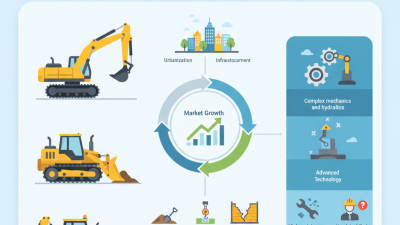
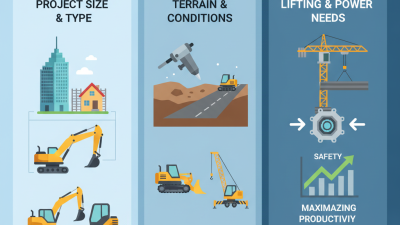
Understanding the project requirements before purchasing heavy earth moving equipment is crucial. The construction sector has seen a rise in demand for specialized machinery. In fact, the global heavy equipment market is projected to grow from $130 billion in 2021 to $197 billion by 2026. This growth aligns with a surge in infrastructure projects worldwide.
Identifying the specific needs of your project is the first step. Assess the terrain, the scale of work, and the type of materials you will handle. For instance, a study from the Association of Equipment Manufacturers highlights that 60% of equipment failures can be traced back to improper selection for the task. Understanding soil types, expected load capacities, and project timelines can keep costly downtime at bay.
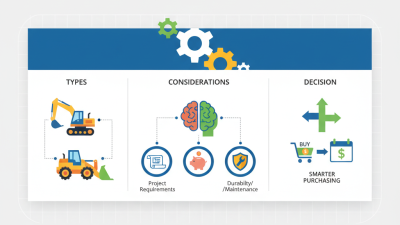
It's essential to factor in the total cost of ownership, not just the upfront price. Maintenance, fuel efficiency, and resale value all play a role. Research indicates that over 30% of heavy equipment purchases may lead to regrets due to unexpected operational costs or unsatisfactory performance. Reflect on these aspects carefully; neglecting such details could derail project timelines and budgets.
Evaluating Different Types of Heavy Earth Moving Equipment
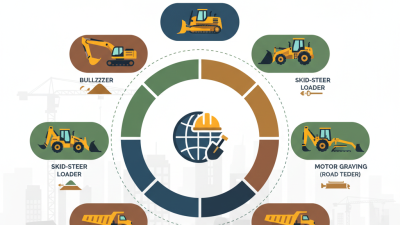
When evaluating different types of heavy earth moving equipment, it's crucial to consider their specific applications.
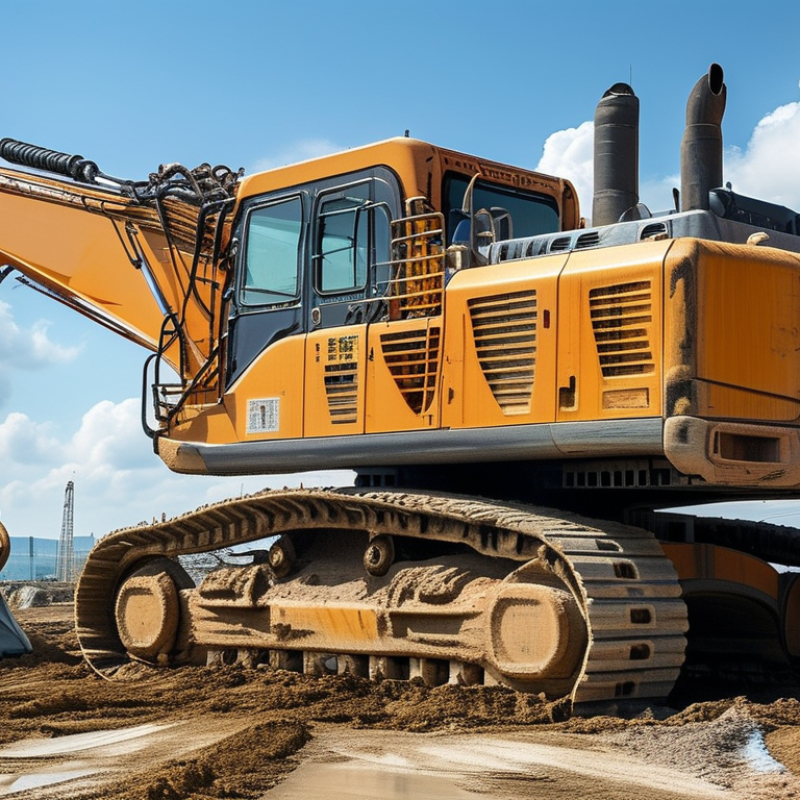
For instance, excavators are excellent for digging and site preparation. They come in various sizes, each suited for
distinct tasks. Smaller models excel in tight spaces, while larger ones handle heavy-duty operations. Understanding
the job requirements helps in making the right choice.
Another aspect to reflect on is the loading equipment. Wheel loaders and continuous miners serve different purposes.
Wheel loaders are versatile and can work in various terrains. Continuous miners, however, are specialized for
underground jobs. Knowing the right fit for your project can prevent costly mistakes. It’s important to research
and assess options.
Maintenance and support are often overlooked. Some equipment may seem appealing at first glance but can lead to
higher long-term costs. Choosing machinery with a reputation for reliable service and parts availability is wise.
This can save you time and money throughout the equipment's lifespan. Always be prepared to evaluate and readjust
your choices, as the industry evolves and new technologies emerge.
Key Factors to Consider When Budgeting for Equipment Purchase
When budgeting for heavy earth-moving equipment, it's crucial to assess your needs accurately. Start by estimating the workload and the specific tasks you intend to accomplish. Different projects require different machines, which can significantly affect costs. Clarifying your project's scale helps avoid overspending on features you don't need.
Consider not just the initial purchase price but also ongoing costs. Maintenance, fuel, and insurance can add up quickly. Many buyers overlook these expenses, leading to budget overruns. It's wise to set aside funds for potential repairs. Equipment can break down unexpectedly, and being prepared can save your project from delays.
Lastly, don’t forget to factor in training and operation costs. New equipment often comes with a learning curve. Investing in proper training can maximize efficiency and safety. If your team struggles to operate a machine effectively, the long-term costs may outweigh the initial savings. Ultimately, careful planning and consideration of all potential costs will lead to a more informed purchase decision.
Assessing Equipment Condition and Maintenance History
When assessing heavy earth moving equipment, pay close attention to its condition and maintenance history. Look for visible signs of wear and tear, such as rust, dents, or leaks. These indicators can reveal how well the machine was maintained. A well-kept exterior often suggests a diligent owner, while neglect usually shows through flaws.
Review the maintenance records meticulously. Check for routine services performed, oil changes, and parts replacements. This document can provide insights into the equipment's operational history. Machines that have undergone regular maintenance typically offer better performance and reliability.
While visual and historical assessments are crucial, they may not tell the full story. A thorough inspection by a professional can reveal deeper issues that may not be immediately apparent. Ignoring these details can lead to costly repairs down the line. In many cases, equipment may look fine on the surface, masking underlying problems. Understanding the full scope of the equipment's condition is essential for making an informed purchase decision.
Reviewing Vendor Reputation and Customer Support Services
When purchasing heavy earth moving equipment, it’s crucial to evaluate vendor reputation and customer support services. A reliable vendor should have a solid track record. Research online reviews and testimonials from previous clients to gauge their experience. Go beyond just ratings; look for patterns in customer feedback. Are issues resolved promptly? Satisfied customers often share their success stories and challenges.
Communication is key in vendor relationships. The support team should be accessible and knowledgeable. Ask potential vendors about their support response times. How do they handle maintenance and repairs? It’s vital to ensure they have a dedicated team ready to assist you. A dependable vendor does not shy away from providing ongoing support, even after the sale.
On your equipment journey, consider your specific needs. Will the vendor customize solutions for you? Reflect on long-term service agreements. A vendor with a strong service commitment not only provides equipment but also builds a lasting partnership. Measure their performance based on how they handle inquiries and problem-solving. Selecting the right vendor transforms your equipment investment into a reliable productivity asset.