How to Choose Companies That Move Heavy Equipment in 2026
Moving a bulldozer, excavator, or industrial press is not an ordinary delivery. The machine may weigh several tons, sit unusually wide, or have attachments that change its dimensions. In 2026, choosing among companies that move heavy equipment means looking beyond a low quote. A dependable provider should understand the machine, the route, and the practical demands at both ends of the trip. Small details matter. A narrow gate or soft gravel entrance can delay unloading.
Start by confirming that the carrier has relevant experience with your equipment type and can explain its loading plan. Ask what trailer it expects to use, how it will secure the load, and whether route checks are included. Request current insurance documentation and written terms covering timing, access, and possible extra charges. Compare quotes on the same scope, not just the final number. A clear answer is useful; a vague promise is not. Still, paperwork can look reassuring while a plan is weak, so discuss the actual pickup and delivery locations.
Good communication should continue after booking, with a named contact and updates if conditions change. Share accurate dimensions, weight, photos, and any loading restrictions before the truck arrives. Then verify that the delivery site has room for the vehicle and equipment. No checklist catches everything. Even careful planning can meet weather delays, changing site conditions, or a missed detail. This guide explains how to assess carriers, compare proposals, and ask better questions, so your decision rests on evidence rather than urgency alone.
Define the Heavy Equipment, Route, and Delivery Requirements
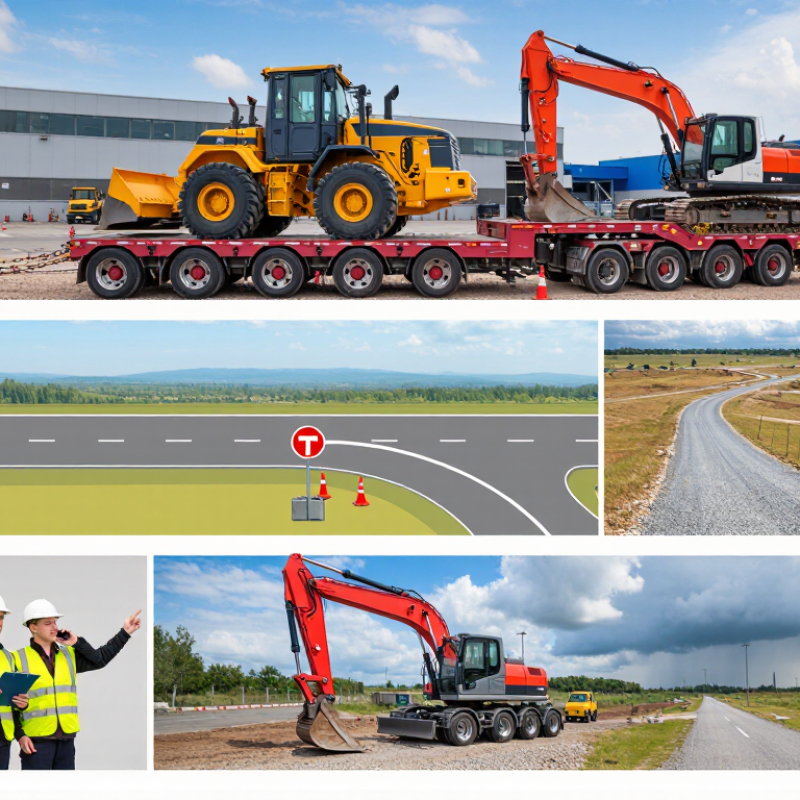
Before requesting a quote, define the machine precisely. Record its make and model, operating weight, transport dimensions, and center of gravity. Include attachments, fuel level, and whether tracks or tires need protection. A weight estimate alone is not enough. A lowboy trailer may fit the machine but still exceed axle limits once loaded. The Federal Highway Administration’s Freight Facts and Figures 2022 reports that trucks carried 72.6% of U.S. domestic freight by weight in 2020. That scale makes clear route planning matters; a heavy machine also brings its own clearance and access constraints.
Map the pickup and delivery points, then flag narrow turns, steep grades, low bridges, and soft ground. Share site addresses and photos of gates, driveways, and unloading areas. Ask the carrier to confirm route checks, required permits, and who handles them. Set a delivery window, contact person, and unloading method. Will a crane be available? Can the ground support the loaded trailer? A tidy checklist can still miss a weak shoulder or a locked gate. That happens.
Tips: Send measurements, not guesses. Confirm loading and unloading responsibilities in writing. Add time for route review and permit processing. If dimensions are uncertain, remeasure the machine before booking.
Verify Carrier Licensing, Safety Records, and Service Coverage
Before hiring a company that moves heavy equipment, verify its active carrier license through the relevant government registry. Match the registered business name with the name on its quote and insurance documents. Requirements can differ by route, so check with the issuing agency rather than relying on a screenshot. Request current proof of liability and cargo insurance, and ask about exclusions, limits, and deductibles. Paperwork can look tidy. Confirm it directly.
Review available safety records for inspection results, crashes, and out-of-service findings. Look for patterns, not just a single score; records may lag or lack context. Ask how the carrier maintains trucks, secures loads, and checks equipment dimensions before dispatch. Details matter. Confirm service coverage for both pickup and delivery locations, including rural roads or restricted-access sites. Ask whether the carrier handles your equipment type and can explain route-clearance checks, scheduling, and weather delays. A polished quote is not proof. I would still compare the written answers with the actual trip plan, since coverage can sound broad until a remote delivery address is involved.
How to Choose Heavy Equipment Carriers in 2026
FMCSA SMS intervention thresholds for general carriers by safety BASIC
These are FMCSA SMS intervention thresholds, not carrier scores, safety ratings, or pass/fail limits. Use them as context when reviewing a carrier’s safety record. Separately confirm active operating authority and insurance, then verify the carrier can cover your equipment’s route, dimensions, permits, and delivery requirements. Source: FMCSA Safety Measurement System.
Compare Transport Methods, Equipment, and Specialized Capabilities
A heavy-equipment quote should name the transport method, not just the price. A lowboy can keep loading height manageable for a 70,000-pound excavator. A step-deck may suit taller machines. Modular hydraulic trailers distribute exceptional weight across more axle lines. Rail or barge can reduce long-haul road mileage, but terminals, cranes, and first- and last-mile trucking add handoffs.
Small detail, big impact.
Ask which option the carrier priced, and why.
The American Trucking Associations’ 2024 American Trucking Trends reports that trucks carried 72.7% of U.S. domestic freight tonnage in 2022. That broad capacity does not prove heavy-haul competence. The Federal Highway Administration’s Freight Analysis Framework projects freight tonnage to grow about 50% from 2020 to 2050, increasing pressure on routes and infrastructure. Ask for the tractor and trailer configuration, axle count, ramp capacity, winch rating, and a route survey. For tracked machines, confirm loading angle and protective matting; steel tracks can bite into a deck. Get bridge-clearance checks, tie-down methods, insurance limits, and weather contingencies in writing. One awkward omission remains easy to miss:
Unloading space. Measure it.
Review Scheduling, Communication, and Contract Terms
In 2026, a reliable heavy-equipment move needs a schedule built around the machine, route, and site. Ask how pickup windows are confirmed and how weather or access delays are handled. Get arrival ranges in writing. Share gate hours, turning space, ground conditions, and the equipment available for loading. A lowboy trailer may need more room than the loading area suggests. Small details matter. It is easy to focus on the pickup date and overlook where the truck can safely wait.
Communication should have a named contact and a clear update plan. Ask who notifies you about dispatch changes and how transit updates are sent. Try a specific question before signing; a clear answer is useful, while vague replies deserve follow-up. Review the contract for included services, extra charges, cancellation terms, payment timing, and the process for reporting damage. Compare its wording with the quote. If a fee or responsibility is unclear, ask for it to be clarified in writing. One missed email is not proof of poor service, but neither should unanswered questions be brushed aside.