China Best Construction Equipment Manufacturers

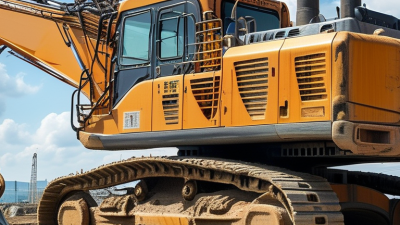
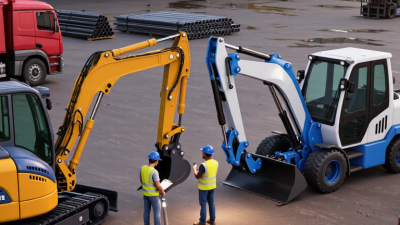
China’s construction equipment manufacturers now compete across excavators, cranes, loaders, road machinery, and concrete systems. Their products are visible on busy urban sites and remote infrastructure projects alike. But “best” depends on the job: lifting capacity matters on a high-rise project, while service access can matter more at a distant quarry.

KHL Group’s Yellow Table 2024 reported that the world’s 50 largest construction equipment manufacturers generated about US$202.7 billion in sales during 2023, a 2.1% year-on-year increase. The ranking offers a useful scale benchmark, and includes major Chinese producers. It does not, however, measure every buyer’s priorities. A sales league table cannot tell you how quickly a dealer will deliver a hydraulic hose, or how a machine performs after thousands of working hours. Details matter.

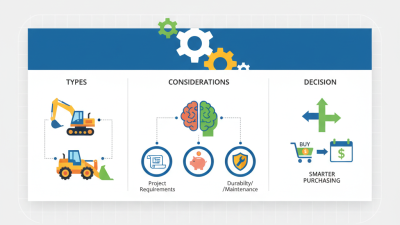
This guide looks at leading Chinese manufacturers through practical criteria: product range, manufacturing capacity, export experience, technology, and after-sales support. Company claims should be checked against independent reports, product specifications, and local service coverage. A low purchase price can look attractive on paper. It may not stay attractive if parts take weeks to arrive. There is no single winner for every market; even strong brands have gaps. Comparing models and support networks helps buyers make a more grounded choice.
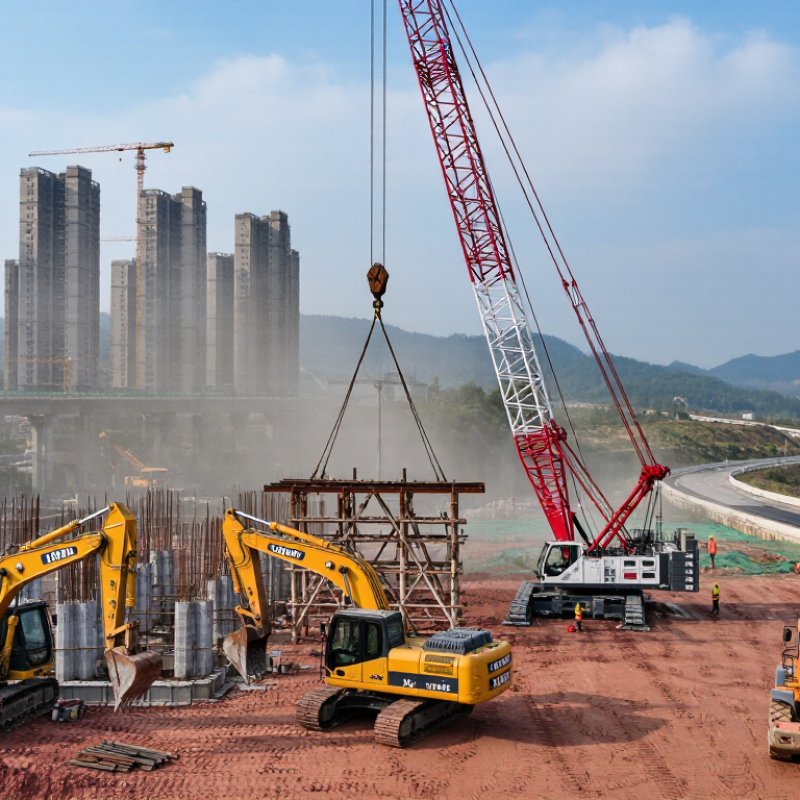
China Best Construction Equipment Manufacturers

China’s Construction Equipment Industry and Its Main Sectors

China Best Construction Equipment Manufacturers

China’s Construction Equipment Industry and Its Main Sectors

China’s construction equipment industry spans earthmoving, lifting, road building, concrete production, and mining machinery. Each sector serves different site conditions. Excavators and loaders move soil and aggregate; cranes place heavy loads; rollers compact road layers. Concrete pumps and batching equipment support building projects, while drilling and crushing machines are common in quarry and mining operations. These categories overlap, but their maintenance needs do not. A dusty quarry puts very different demands on filters and cooling systems than an urban building site.

The industry also depends on components, engineering services, parts distribution, and equipment testing. On a road project, a roller’s vibration settings and travel speed can affect the finished surface. Small adjustments matter. Buyers often compare fuel use, service access, attachment options, and parts availability alongside purchase price. This picture can seem tidier on paper than on a real job site, where weather, operator experience, and uneven ground change performance. No single machine suits every task. Evaluating equipment against the actual workload gives a more useful view of China’s main construction machinery sectors.

China’s Construction Equipment Industry: Key Earthmoving Sectors

2023 domestic and export sales combined, measured in units

Excavators and loaders are major earthmoving equipment categories in China’s construction machinery industry. Excavator sales exceeded loader sales in 2023. Figures are annual unit sales reported by the China Construction Machinery Association; they combine domestic sales and exports and do not represent the entire industry.

Leading Chinese Construction Equipment Manufacturers

China’s leading construction equipment manufacturers serve projects ranging from urban roadwork to quarry operations. Their strengths often include broad production capacity, established component supply networks, and experience adapting machines to different working conditions. A factory visit can reveal practical details: weld consistency, hose routing, paint coverage, and how finished units are tested before shipment. Not every supplier performs equally.

When comparing manufacturers, buyers should examine more than brochure specifications. Ask for rated load, fuel use, service intervals, and operating limits in writing. Request inspection records and a demonstration using realistic materials, not an empty machine on a clean yard. Good technical teams explain trade-offs, such as lifting capacity versus stability or engine power versus fuel consumption.

Parts availability matters.

A machine can be well built yet lose valuable workdays if filters, pins, or hydraulic fittings take weeks to arrive.

Export experience is useful, but communication after delivery deserves equal attention. Check whether manuals are clear, troubleshooting support is responsive, and training covers routine checks such as track tension and fluid leaks. Some product claims are hard to verify remotely; an independent inspection may uncover details overlooked during a sales call. No supplier is perfect. Even a careful evaluation can miss a weak point, so buyers should record operating conditions and review performance after the first months.

Key Machinery Categories and Manufacturer Specialties

China’s construction-equipment manufacturers cover several distinct machinery categories, and their strengths are not interchangeable. Excavators suit trenching, demolition, and earthmoving; buyers should compare digging force, operating weight, and service access. Wheel loaders move aggregate quickly, while motor graders maintain the even surfaces needed for roads and site preparation. Compaction rollers matter on soil and asphalt, where drum type and vibration control affect the finished surface. For lifting work, cranes differ sharply in reach, setup time, and transport requirements. Fit matters more.

A Fortune Business Insights market report valued the global construction-equipment market at about US$160.8 billion in 2023 and projected growth to US$234.6 billion by 2032. That figure covers worldwide demand, not Chinese manufacturers alone, so it is useful context rather than a ranking. Manufacturer specialties often reflect product mix: some focus on earthmoving machines, others on road equipment, lifting systems, or concrete machinery. Check rated capacity against the actual load, not a brochure’s best-case example. Also inspect cab visibility, parts availability, and maintenance intervals. Specs can look impressive. Field conditions are less tidy. A machine suited to a dry urban project may struggle on wet, uneven ground, and published performance figures do not replace a site trial.

China Best Construction Equipment Manufacturers - Key Machinery Categories and Manufacturer Specialties

Machinery Category Common Equipment Typical Applications Common Manufacturer Specialties Key Selection Considerations
Earthmoving Excavators Mini, crawler, and wheeled hydraulic excavators Digging foundations and trenches, site preparation, demolition, and material handling Hydraulic system integration, boom and arm durability, machine stability, and configurations for different operating environments Operating weight, digging depth, bucket capacity, transport requirements, and availability of attachments
Wheel Loaders Compact, medium, and large wheel loaders Loading aggregates, moving soil, stockpile handling, and feeding processing equipment Loader linkage design, traction and driveline systems, operator visibility, and compatibility with buckets or forks Rated payload, bucket capacity, dump height, turning space, and material type
Bulldozers Tracked dozers with straight, universal, or angle blades Rough grading, land clearing, spreading fill, and moving soil over short distances Undercarriage design, blade and ripper options, structural strength, and controls suited to sustained earthmoving Operating weight, blade configuration, ground conditions, slope capability, and transport logistics
Motor Graders Motor graders with adjustable moldboards and optional scarifiers Road subgrade preparation, finish grading, drainage shaping, and gravel road maintenance Moldboard control, steering and articulation systems, visibility, and precision grading features Blade length, turning radius, required grading accuracy, terrain, and operator training
Construction Cranes Mobile, crawler, and tower cranes Lifting building materials, structural components, and heavy equipment on construction sites Boom or mast engineering, hoisting systems, stability controls, and setup options for different site layouts Rated lifting capacity, load chart at the required radius, maximum hook height, ground bearing conditions, and setup space
Concrete Machinery Batching plants, transit mixers, concrete pumps, and placing equipment Producing, transporting, and placing concrete for buildings, bridges, roads, and foundations Aggregate and cement batching accuracy, mixing systems, pumping circuits, and plant layouts for different production needs Required output, concrete mix range, delivery distance or height, site access, and local electrical and environmental requirements
Road Construction Equipment Asphalt mixing plants, pavers, and road rollers Asphalt production and placement, pavement shaping, and compaction of asphalt or soil layers Material feeding and temperature control, screed systems, compaction technology, and coordinated paving workflows Project output, paving width, compaction requirements, transportability, and the type of road surface
Compaction Equipment Single-drum rollers, tandem rollers, pneumatic rollers, and plate compactors Compacting soil, crushed stone, asphalt, and other pavement layers Vibration systems, drum configurations, weight distribution, and machine designs for confined or open work areas Material being compacted, layer thickness, required compaction level, working width, and site access
Material Handling Equipment Telehandlers, rough-terrain forklifts, and construction forklifts Moving palletized materials and supplies around building sites, yards, and industrial projects Lift-mast and boom systems, chassis stability, attachment compatibility, and visibility for site operations Rated load at the required lift height and reach, ground conditions, attachment needs, and operating space
Mining and Quarry Equipment Mining excavators, rigid or articulated dump trucks, and crushing equipment Overburden removal, haulage, quarry extraction, and processing of rock and aggregates Heavy-duty structures, high-capacity powertrain systems, wear-resistant components, and equipment designed for demanding duty cycles Material density, haul distance, payload matching, operating conditions, maintenance access, and parts support

Manufacturing Standards, Technology, and Quality Control

Construction equipment manufacturing quality begins long before assembly. Engineering teams translate duty cycles, soil conditions, and service access into measurable design requirements. Standards provide a shared baseline for dimensions, welding procedures, material traceability, and safety checks. They matter most when drawings meet real production floors.

Modern plants use computer-controlled machining, robotic welding, and digital process records to reduce variation. Yet automation alone does not prove quality. Operators still inspect weld preparation, fixture alignment, and surface finish under changing conditions. A small offset can affect a hydraulic connection or bearing seat. Testing should reflect intended use: load cycles, temperature changes, braking response, and vibration reveal different weaknesses. Keep records specific. Generic checklists can miss critical details.

Quality control is strongest when it follows each component from incoming material to final commissioning. Inspectors can verify material certificates, measure critical tolerances, and select samples based on risk. Finished machines should undergo functional tests, leak checks, and documented acceptance reviews. Field feedback matters too. Early failures may reveal a weak design assumption, not careless assembly. No process catches everything; dust, rushed maintenance, and uneven operator habits complicate results. That is worth admitting. Manufacturers that investigate complaints and update procedures can build more dependable equipment over time.

Global Markets, Service Networks, and Manufacturer Selection Factors

Global demand is not one market. Oxford Economics’ 2023 Global Construction Futures report puts construction output near US$9.7 trillion in 2022. It forecasts US$15.5 trillion by 2037, with growth uneven across regions. That variation matters when selecting equipment: a machine suited to a dry quarry may struggle on wet, remote road projects. Compare operating weight, fuel use, ground pressure, and parts availability against the actual jobsite, not a brochure’s ideal conditions.

Service access can outweigh a small difference in purchase price. The World Bank’s 2023 Logistics Performance Index assesses infrastructure, logistics competence, tracking, and delivery timeliness—useful signals when judging how reliably parts may reach a project. Ask suppliers for service locations, technician response times, common wear-part stock, and repair lead times in the target country. Downtime is expensive. Check the details in writing. A nearby depot may still lack the right components, and published response times are not guarantees. That gap is easy to underestimate. Compare warranty coverage, operator training, resale support, and total cost over the planned service life; then test the assumptions against a real site schedule.