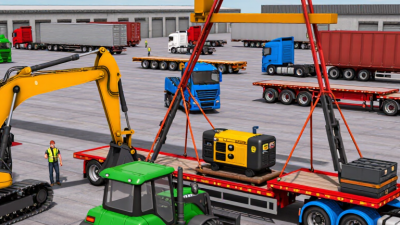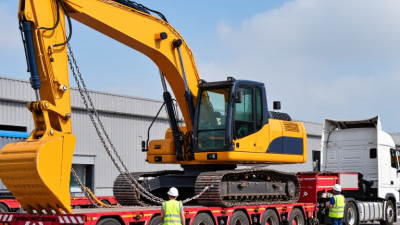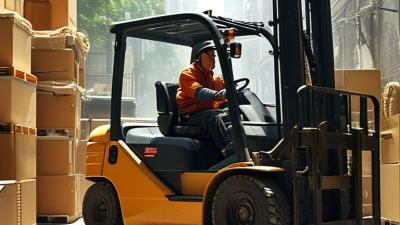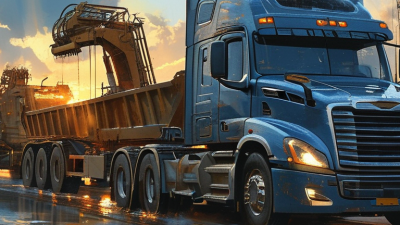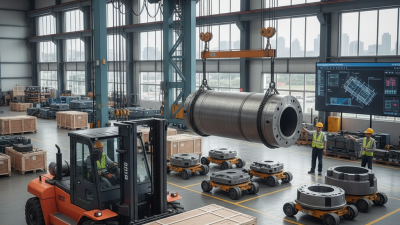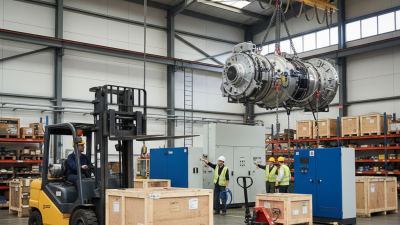
A heavy equipment moving company specializes in transporting oversized, heavy, or unusually shaped machinery. This equipment may include excavators, cranes, loaders, generators, and industrial presses. Unlike ordinary household movers, these professionals use specialized trailers, lifting systems, route surveys, and trained crews. Their work begins before the machine leaves the site.
Reliable planning matters. A professional team checks the equipment’s dimensions, weight, center of gravity, and lifting points. It also examines doorways, loading surfaces, bridges, road grades, and turning areas. Searches for “moving companies heavy equipment” should lead to providers with documented experience, suitable insurance, clear pricing, and trained operators. References from similar projects can reveal more than polished advertising.
The process often includes equipment preparation, secure loading, careful transport, and controlled placement. Crews may use cranes, hydraulic trailers, rigging gear, and ground-protection mats. Small details matter. A soft surface can sink beneath a loaded trailer. A narrow gate can delay the entire move. Experienced companies follow safety procedures and applicable transport requirements, but every site presents different risks. Even skilled teams can underestimate weather, access, or scheduling pressure. That is why responsible movers inspect conditions again before loading. Clients should ask practical questions about communication, damage procedures, delivery timing, and contingency planning. A trustworthy company does not promise that every move will be effortless. It explains the challenges clearly and builds a realistic plan around them.
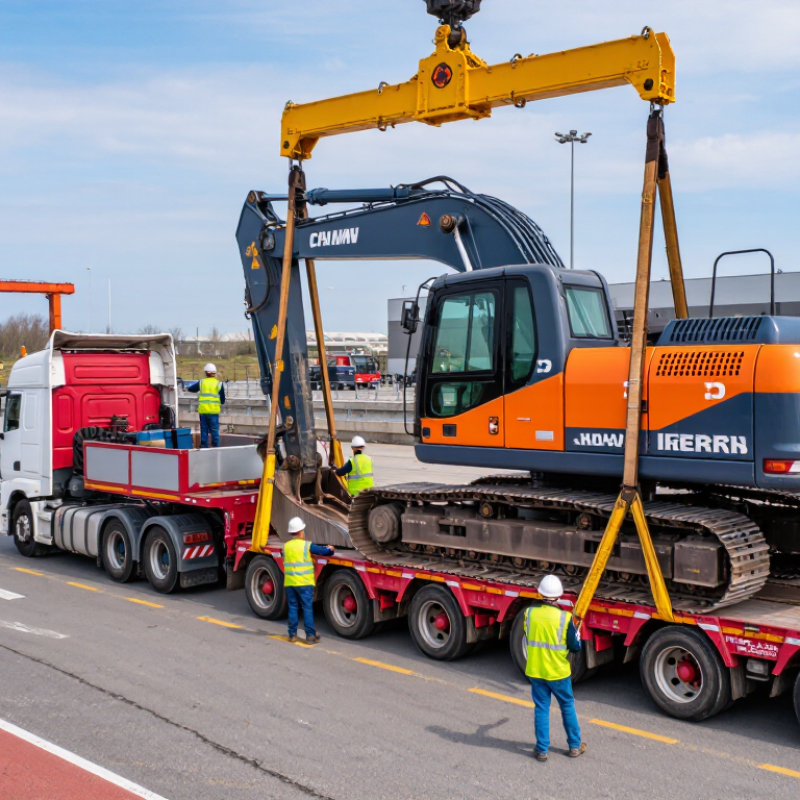
A heavy equipment moving company specializes in transporting large, heavy, or unusually shaped machinery. Its work extends beyond driving a truck from one site to another. The team studies equipment dimensions, weight distribution, access roads, loading points, and delivery conditions. Excavators, cranes, generators, industrial presses, and agricultural machines may all require different handling methods.
The scope usually begins with a site assessment. Experienced planners check bridge limits, turning space, overhead cables, ground strength, and weather risks. Crews then select suitable trailers, lifting tools, restraints, and protective materials. Loading may involve cranes, hydraulic systems, or controlled winching. Every movement needs careful communication. Small errors can damage machinery, pavement, or nearby structures.
A reliable company also manages route coordination, permits, scheduling, inspection records, and arrival placement. It should explain the moving plan clearly and document equipment condition before loading. Workers need practical training, not only written procedures. Conditions can change quickly, especially on crowded construction sites. Even experienced crews can misjudge soft ground or a narrow entrance. That possibility deserves honest discussion. A strong provider adjusts the plan when measurements conflict with assumptions, rather than forcing the original schedule. The service may appear simple from outside, but safe heavy equipment transport is a coordinated operation involving logistics, engineering judgment, communication, and disciplined execution.
A heavy equipment moving company transports oversized machinery that ordinary freight services cannot safely handle. Specialized movers use low-bed trailers, hydraulic lifts, gantries, and reinforced loading ramps. Their work begins with measuring the equipment, checking its weight, and reviewing the travel route. A few centimeters can matter when a machine enters a warehouse doorway.
Construction equipment forms a large part of this work. Excavators, bulldozers, cranes, loaders, and concrete pumps often require careful disassembly before transport. Agricultural machinery also needs specialized handling. Harvesters, tractors, irrigation systems, and large tillers may have wide frames, fragile attachments, or uneven weight distribution. Movers secure each section with rated chains, protective padding, and calculated tie-down points.
Industrial equipment creates different challenges. Fabrication presses, generators, compressors, transformers, and production lines may need skidding or controlled indoor movement. Medical and laboratory machinery can be heavy but extremely sensitive to vibration. Experienced crews use shock protection and document the loading process. Route surveys help identify low bridges, tight turns, soft ground, and restricted access points.
Planning is rarely perfect. A planned route may change after one unexpected gate or slope. Reliable movers pause, reassess, and adjust the method instead of forcing progress. That judgment protects the equipment, workers, buildings, and surrounding property.
Planning heavy equipment transport begins long before a trailer arrives. A professional moving company first records the machine’s length, width, height, weight, center of gravity, and lifting points. These details determine the trailer, loading method, route, and required permits. The Federal Highway Administration’s Freight Analysis Framework projects U.S. freight tonnage to grow substantially through 2050, increasing pressure on roads, terminals, and specialized transport capacity. Accurate preparation matters more each year.
A route survey should identify low bridges, narrow turns, steep grades, construction zones, and weak shoulders. The team should confirm bridge clearances with current measurements, not old maps.
Equipment must be cleaned, secured, and protected against vibration, rain, and shifting. The American Trucking Research Institute reported an average trucking operating cost of $2.26 per mile in 2022, but oversized loads often cost more because they require specialized trailers, escorts, scheduling, and handling. A missed measurement can disrupt an entire delivery window.
Tips: Photograph every side of the machine before loading. Mark detachable parts clearly. Check tire pressure and fluid leaks. Share accurate drawings with the carrier. Allow extra time for weather and traffic. The plan is never perfect. Experienced crews still review it at the loading site, because real ground conditions can challenge even careful calculations.
Transportation Methods, Tools, and Safety Procedures
A heavy equipment moving company plans and transports oversized machinery between work sites, factories, and storage yards. Its work may involve excavators, generators, industrial presses, or construction vehicles.
Each move begins with a route survey. Crews check bridge limits, road width, turning space, overhead cables, and surface conditions. A lowboy trailer often carries tall machinery with a lowered deck. Modular platform trailers can handle wider or heavier loads. For short distances, hydraulic transport systems may move equipment across prepared ground.
Precision matters.
Experienced crews use hydraulic jacks, lifting beams, certified slings, chains, timber mats, and load scales. Operators inspect every tool before use. They also calculate weight distribution and axle pressure.
During loading, spotters guide the driver with clear hand signals or radios. The team establishes an exclusion zone around cranes, trailers, and suspended loads. Workers wear suitable helmets, gloves, high-visibility clothing, and protective footwear.
It should identify responsibilities, communication signals, emergency actions, and weather limits. Equipment must be secured with correctly rated restraints and checked again after the first movement.
Even skilled teams can misjudge ground strength or turning clearance. That possibility deserves honest attention. A checklist helps, but it is not infallible.
Crews should pause when conditions change, rather than relying on schedule pressure. Reliable movers document inspections, measurements, and sign-offs throughout the operation.
A heavy equipment moving company transports oversized machinery, construction units, and industrial systems between locations. Selecting a reliable provider requires more than comparing prices. Experience matters. Ask how often the company moves similar loads and whether its team has handled narrow sites, uneven ground, or restricted access.
Request a written plan covering route surveys, permits, loading methods, tie-down points, and delivery timing. The provider should carry suitable insurance and use trained operators for cranes, trailers, and lifting equipment. Check recent references, not only polished testimonials. Details matter. A vague quote may exclude escorts, waiting time, fuel adjustments, or site preparation.
Walk the loading area with the mover before signing. Measure gates, overhead cables, turning spaces, and ground strength. In practice, even careful planning can miss a low bridge or a soft shoulder. That does not always mean negligence, but a dependable company should explain its backup plan clearly. Look beyond price. Ask who supervises the move, how equipment damage is documented, and what happens if weather delays delivery. A professional answer may include limits or extra costs. That honesty is reassuring. If the representative avoids technical questions, changes details repeatedly, or pressures you to book immediately, reconsider the choice. A reliable heavy equipment mover communicates clearly from the first site visit through final unloading.
| Equipment Category | Typical Operating Weight | Typical Transport Width | Common Transport Method | Important Planning Considerations | Reliable Mover Verification |
|---|---|---|---|---|---|
| Compact Excavator | Approximately 1–10 metric tonnes | Approximately 1.4–2.4 m | Equipment trailer or detachable gooseneck trailer | Confirm bucket and attachment dimensions; secure the boom, arm, and bucket before travel. | Check: Rated trailer capacity, tie-down procedures, loading equipment, and cargo insurance. |
| Crawler Excavator | Approximately 10–90 metric tonnes | Approximately 2.5–4.5 m | Lowboy, step-deck, or modular trailer | Route planning may be required for bridge limits, overhead clearance, restricted roads, and permit conditions. | Check: Experience with oversize loads, route surveys, escort coordination, and permit management. |
| Wheel Loader | Approximately 5–40 metric tonnes | Approximately 2.0–3.6 m | Lowboy or heavy-duty equipment trailer | Measure the machine with the bucket positioned as required; verify axle weight and overall height. | Check: Accurate weight calculations, load distribution plans, and documented securement methods. |
| Bulldozer | Approximately 7–110 metric tonnes | Approximately 2.5–5.0 m | Lowboy or specialized heavy-haul trailer | Blade, ripper, and counterweight configuration can change the shipment dimensions and total weight. | Check: Capability to handle detachable components and compliance with local oversize-load rules. |
| Motor Grader | Approximately 12–25 metric tonnes | Approximately 2.5–3.2 m | Lowboy or step-deck trailer | Long wheelbase and articulated frames require careful loading, steering lockout, and clearance planning. | Check: Driver training, loading supervision, route suitability, and equipment inspection records. |
| Crane | Approximately 10–600+ metric tonnes, depending on type | Approximately 2.5–4.5 m for the main unit | Multi-axle trailer, modular trailer, or multiple transport units | Counterweights, booms, outriggers, and attachments are often transported separately. | Check: Lift-plan coordination, component inventory, specialized trailers, and certified rigging personnel. |
| Telehandler | Approximately 7–30 metric tonnes | Approximately 2.3–3.0 m | Equipment trailer, step-deck, or lowboy | Retract or secure the boom and remove attachments when necessary to meet height or weight limits. | Check: Correct height measurements, securement points, and protection for tires and attachments. |
| Asphalt Paver | Approximately 10–30 metric tonnes | Approximately 2.5–3.5 m | Lowboy or step-deck trailer | Hoppers, screeds, and extensions may need to be folded, locked, or transported separately. | Check: Pre-transport inspection, attachment checklist, trailer compatibility, and weather protection. |
| Articulated Dump Truck | Approximately 20–75 metric tonnes | Approximately 3.0–4.5 m | Heavy-haul lowboy or modular trailer | Overall height, articulation, tire size, and ground clearance can significantly affect route selection. | Check: Route engineering, axle-load calculations, escort requirements, and loading documentation. |
| Industrial Forklift | Approximately 3–30 metric tonnes | Approximately 1.5–3.0 m | Flatbed, step-deck, or equipment trailer | Lower the forks, disconnect or protect the battery when appropriate, and secure moving components. | Check: Proper restraint points, ramp capacity, loading procedure, and cargo-damage coverage. |
| Planning note: Weight and dimensional figures are typical industry ranges rather than specifications for a particular machine. Actual requirements depend on the equipment model, attachments, fuel level, shipment location, route, and applicable transportation regulations. A reliable heavy equipment moving company should verify measurements, calculate axle loads, obtain required permits, inspect the equipment before loading, and provide written insurance and delivery terms. | |||||