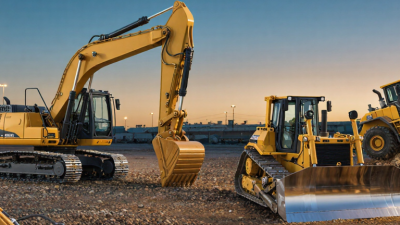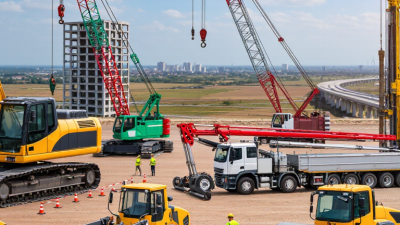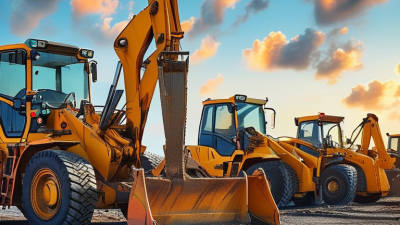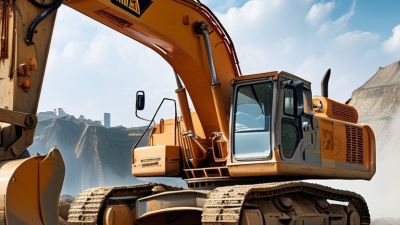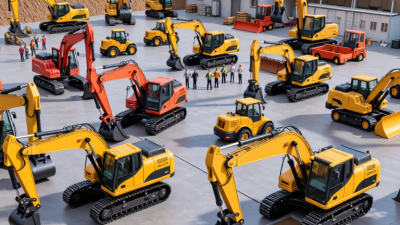
Choosing the right dirt equipment is less about selecting the largest machine. It is about matching capability, ground conditions, and project risk. A compact excavator may fit a narrow backyard gate, while a crawler excavator handles deeper cuts and heavier soil. Small differences matter. Bucket size, operating weight, transport limits, and fuel use can change the entire work plan.
Industry data shows why careful selection matters. Fortune Business Insights valued the global construction equipment market at approximately $202.94 billion in 2023. It expects continued growth through 2032, driven by infrastructure development and urban construction. The Association of Equipment Manufacturers also reports strong demand for earthmoving machines, although regional sales and forecasts can vary. These figures describe a broad market, not every local project. That limitation deserves attention.
Caterpillar Chairman Jim Umpleby has stated, “We help our customers succeed by making them more productive.” That principle applies directly to dirt equipment decisions. Productivity is not simply moving more soil. It includes fewer idle hours, safer operation, easier servicing, and predictable completion. Start with the material: clay, sand, gravel, rock, or mixed fill. Then measure access, digging depth, haul distance, and daily output. A machine that looks powerful may still be inefficient on a cramped site. I have seen equipment choices become expensive lessons when transport and attachment costs were ignored. The perfect choice may not exist. A practical choice, supported by manufacturer specifications, dealer advice, and verified project measurements, usually performs better.
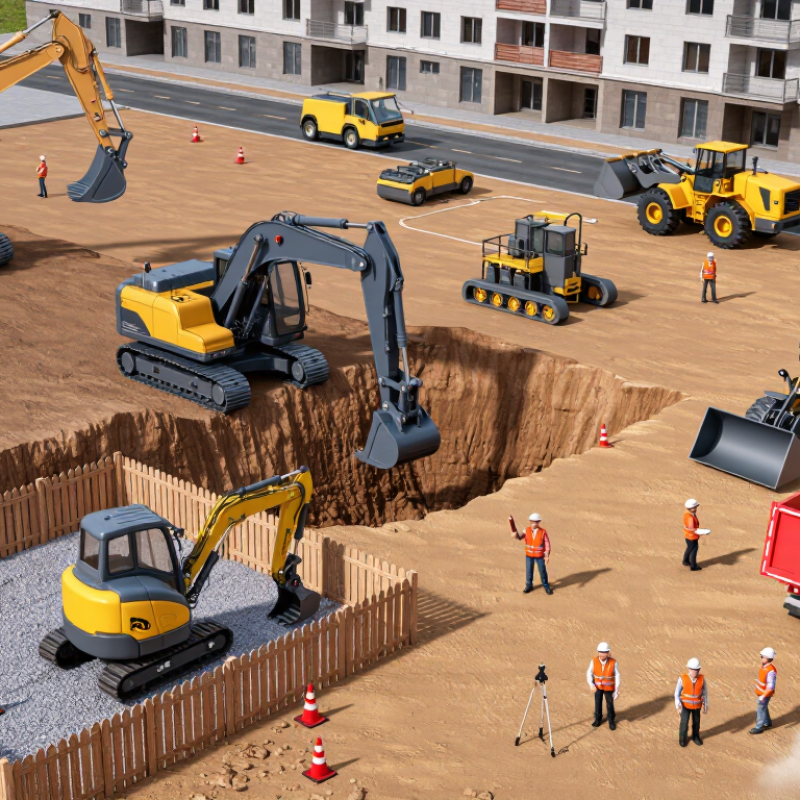
Define your soil, site, and material-handling requirements before selecting equipment. Soil changes everything. Dry sand flows quickly, while wet clay clings to buckets and overloads smaller machines. Gravel demands stronger cutting edges and stable travel paths. The USGS Mineral Commodity Summaries 2024 estimated 960 million metric tons of construction sand and gravel were produced in the United States during 2023. That volume shows why material density, haul distance, and loading speed deserve careful planning.
Test the ground before moving dirt. Review soil reports, moisture conditions, access widths, slope angles, and underground utility locations. A tracked excavator may suit soft ground, while a wheel loader can move aggregate efficiently across firm surfaces.
Match the bucket size to the material, not just the machine’s maximum capacity. Include stockpile height and truck approach space. Small layout mistakes create expensive waiting time.
Safety data also matters. The Bureau of Labor Statistics’ Census of Fatal Occupational Injuries identifies transportation incidents and falls among major workplace hazards. Keep travel routes separate from pedestrian areas. Use spotters where visibility is limited. The neat plan is rarely perfect. I would recheck ground conditions after rainfall, even when the original survey looked reliable. Equipment selection should remain adjustable as soil moisture, haul distances, and daily production targets change.
Choosing dirt equipment starts with the task, not the machine’s size. For digging trenches or breaking compacted soil, select an excavator with suitable bucket capacity, reach, and breakout force. A compact excavator fits narrow residential sites, while a larger unit handles deeper cuts and heavier material. For loading trucks, a wheel loader usually offers faster cycles on firm ground. A skid steer can work well in tight spaces, but its smaller bucket may increase loading time. Track loaders provide better traction on soft surfaces.
Grading requires control rather than maximum power. A motor grader suits long road surfaces, while a compact track loader with a grading attachment can manage smaller pads. Check laser or GPS guidance when slope accuracy matters. Hauling equipment should match both travel distance and material density. Articulated dump trucks handle rough, uneven routes; site dumpers may suit shorter movements. The 2024 Associated General Contractors workforce survey reported that 94% of construction firms struggled to fill positions, so simple controls and clear visibility deserve serious attention. Operators cannot learn every attachment instantly.
Review fuel use, ground pressure, transport width, and maintenance access before renting or buying. EquipmentWatch’s Rental Rate Blue Book remains a useful reference for comparing ownership and rental costs. Still, published rates may not reflect muddy access roads or idle time. I have seen a smaller machine outperform a larger one when turning space was limited. That detail is easy to miss. Record cycle times on the first workday, then adjust the equipment mix before delays become expensive.
Choosing dirt equipment starts with the work, not the machine’s appearance. A compact loader may fit between fences, while a larger excavator can clear a trench faster. However, size affects transport, ground pressure, and access. Measure gates, slopes, and turning areas before renting or purchasing. I once underestimated a muddy entrance and lost hours repositioning equipment.
Power should match the material and task. Dry soil needs less force than packed clay, gravel, or wet fill. Compare hydraulic flow, breakout force, digging depth, and lifting capacity. Attachments also change performance. A bucket suits general digging, but an auger, grading blade, or breaker may be better for specific ground conditions. Check attachment compatibility carefully. More power is not always better.
Tips
Estimate the heaviest load first. Keep a safety margin above that weight. Review the operating capacity at the machine’s actual reach, not only its maximum rating. Walk the site before deciding. Note soft ground, overhead branches, narrow paths, and nearby structures. Ask an experienced operator to review your plan, especially when conditions change during the day. I still allow extra time for unexpected soil layers, because project estimates are rarely perfect.
Choosing dirt equipment starts with reading the ground, not browsing machine specifications. Walk the site after rain and note soft soil, slopes, buried services, and loose edges. A compact loader may suit firm soil, while a tracked excavator can spread weight across weaker ground. Still, no machine handles every surface well. I once underestimated a wet access lane; the tires spun, and the planned production rate became unrealistic. That mistake changed my checklist. Experience matters.
Measure gate width, turning space, overhead clearance, and travel distance before delivery. A machine that fits through the gate may still fail at a sharp corner. Keep people away from swing zones, blind spots, moving buckets, and unstable excavations. Use spotters where visibility is limited, and confirm communication signals before work begins. Inspect attachments, guards, alarms, and fluid leaks daily. Do not guess. Weather can alter traction and stability within hours, so reassess conditions during the shift.
Operator skill should influence equipment choice as much as digging depth. An experienced operator may control a larger unit safely, but familiarity must never replace formal training. For new operators, choose predictable controls, clear visibility, and a machine sized for slow practice. Read the operating manual, follow site rules, and verify that the operator understands emergency shutdown procedures. If the attachment feels too powerful for the task, select a smaller option or pause for guidance. That pause can prevent costly damage. My own planning is not perfect; revisiting assumptions is part of responsible work.
How to Choose the Right Dirt Equipment for Your Project
Rental, purchase, fuel, maintenance, and transport costs should be compared together. A low purchase price can hide expensive downtime. The American Rental Association forecast U.S. equipment rental revenue at $78.7 billion in 2024. This suggests many contractors value flexibility over ownership.
Estimate expected working hours before choosing a machine. Divide purchase cost, depreciation, insurance, and storage by those hours. Then add fuel and maintenance. The U.S. Energy Information Administration reported an average diesel price of $3.76 per gallon in 2024. A machine burning 4 gallons hourly could add about $15 per operating hour. That figure changes quickly. Check local prices before signing a contract.
Transport also deserves close attention. The American Transportation Research Institute reported average trucking costs of $2.25 per mile in its 2023 operational-cost study. A short rental may become expensive after lowboy delivery, return mileage, permits, and loading time. Ask for transport pricing in writing. Also confirm who pays for cleaning and damage inspections. My first estimate often missed idle time near the excavation area. That mistake made ownership look cheaper than it was. Smaller equipment may work better on restricted sites, even when productivity falls slightly. Measure actual output, not brochure claims. Keep a simple daily log for fuel, repairs, waiting time, and truck movements. After several projects, those records can expose assumptions that deserve another review.