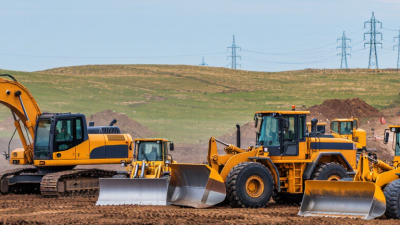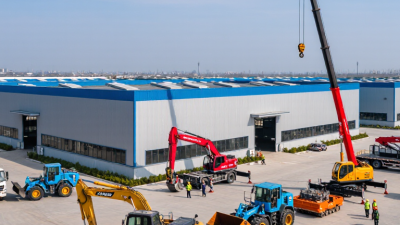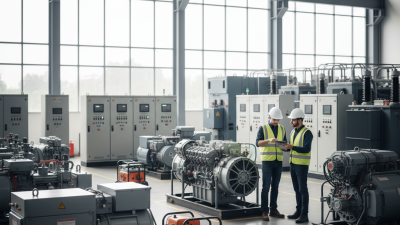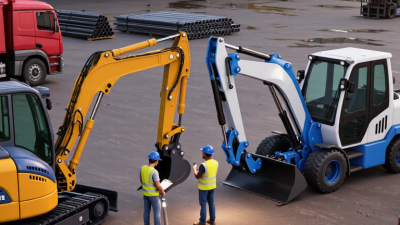
Buying dirt equipment across borders is not a simple price comparison. A machine that looks affordable on paper can become costly when freight, parts availability, fuel use, and local service support are considered. The market is substantial: Grand View Research estimated the global construction equipment market at USD 145.5 billion in 2023, with projected annual growth of 6.6% from 2024 to 2030. That figure covers construction equipment broadly, not dirt equipment alone. Still, it signals a busy, competitive market.
For global buyers, the right choice starts with the actual job. Think of a loader working in abrasive soil, a dozer climbing uneven ground, or an excavator expected to run long shifts far from a dealer. Small details matter. Track type, operating weight, hydraulic capacity, attachment compatibility, and parts lead times can shape real ownership costs. Off-Highway Research managing director Chris Sleight’s market analysis offers a useful buying principle: base fleet decisions on expected utilization and project demand, not market-growth headlines. This is a paraphrase, not a direct quotation.
There is no perfect machine. Even a careful specification can miss a local maintenance constraint or an operator’s practical needs. These ten buying tips will help buyers compare new and used equipment, check supplier support, assess total cost of ownership, and ask sharper questions before placing an order. Start with the worksite. Then check the numbers.
Before comparing dirt equipment, describe the work it must do each day. List the material, digging depth, average load, and distance to the dump point. Wet clay behaves differently from loose sand, while buried roots can slow excavation and strain attachments. Measure gate widths, turning space, ground slope, and overhead clearance. A machine that fits the task may still be too large for the site.
Be specific about production needs. Estimate how many cubic yards must move per shift, then check whether the equipment’s bucket capacity and cycle time suit that target. Include expected operating hours, transport limits, fuel access, and the skills of available operators. Don’t guess. If figures are uncertain, note the range and verify it with a site walk or past job records. These details help buyers compare machines on useful criteria, not just advertised capacity.
Consider the full working conditions, too. Soft ground may call for lower ground pressure; tight urban access may favor a compact footprint. Allow room for routine inspection and attachment changes. A plan can look tidy on paper but miss a muddy approach or a narrow unloading zone. That gap matters. Revisit your assumptions with the crew who will run the equipment, and update the requirements when the job scope changes.
Compare machine types against the work, not just the purchase price. Excavators suit trenching and deep cuts; dozers push and spread material; wheel loaders move loose soil quickly. A grader is better for precise road finishing. Small details matter. Check the actual task list, soil condition, and daily travel distance before choosing a machine.
Capacity figures need context. Compare bucket volume with expected material density, and check rated payload, operating weight, breakout force, and hydraulic flow. A large bucket can slow a cycle if the machine cannot lift a full load safely. On soft ground, compare ground pressure and undercarriage options; on narrow sites, measure transport width and turning space. Ask for test data under conditions close to your own. Catalog figures alone can be misleading.
Fuel and emissions specifications also affect operating costs and site suitability. The 2023 Global Status Report for Buildings and Construction, published by GlobalABC and UNEP, reports that the sector produced 37% of global energy- and process-related CO2 emissions in 2022. This figure covers more than earthmoving equipment, but it highlights why fuel use and idle time deserve attention. I would still compare real fuel-burn records across similar jobs; neat estimates often miss rough ground and operator habits.
For global buyers, supplier credentials are more than a polished website or a quick sales call. Request company registration details, service locations, and references from customers who use similar dirt equipment. Check that invoices, equipment serial numbers, and inspection records match. A mismatch deserves a clear explanation. Keep copies of every document, and confirm that certificates are current and apply to the exact machine configuration being offered.
Tip: Ask for the relevant safety and conformity documents for your destination market. Verify the issuing body and document dates independently. Request a recent inspection report, not just a template. If a supplier cannot explain a machine’s guarding, emergency stop, or operating limits plainly, pause before paying a deposit.
Safety compliance should be checked against the equipment’s actual use, attachments, and worksite conditions. Look closely at seat belts, warning labels, access steps, and visible hydraulic lines. Ask how operators are trained and how spare parts or safety updates are handled. A remote video inspection helps, but it cannot reveal every defect. I would not treat paperwork as proof of perfect condition; even a tidy report can miss wear that appears under load. Have a qualified inspector assess the machine before shipment when practical.
| No. | Buying Area | What to Verify | Evidence to Request | Practical Buyer Action |
|---|---|---|---|---|
| 1 | Supplier credentials | Confirm the seller is a legally registered business and is authorized to sell or export the equipment being offered. | Business registration details, relevant export documentation, and references from previous equipment buyers. | Check records with the appropriate government or trade authority in the supplier’s jurisdiction. Verify references independently. |
| 2 | Machine identity and history | Match the machine’s serial number or identification plate to its documents. For used equipment, review ownership, maintenance, and repair history. | Clear identification-plate photographs, ownership or sale documents, service records, and available inspection reports. | Compare the identification details across the machine, invoice, shipping documents, and inspection report before payment. |
| 3 | Safety requirements | Check that the machine’s guarding, access points, warning labels, operator controls, and protective structures suit its configuration and intended use. | Safety manual, risk or conformity documentation where applicable, and photographs or inspection results for the specific machine. | Ask a qualified inspector to assess the machine against the safety rules applicable at its destination. Requirements vary by country and equipment type. |
| 4 | Regulatory compliance | Confirm that the machine can be imported, registered, and operated in the destination market, including applicable machinery, emissions, and noise rules. | Relevant declarations, test or conformity records, engine emissions information, and country-specific import documents. | Check requirements with the destination country’s customs authority and relevant safety or environmental regulator before placing the order. |
| 5 | Specifications and suitability | Compare operating weight, dimensions, rated capacity, reach or digging depth, ground clearance, and attachment compatibility with the job site. | Machine specification sheet, dimensional drawings, load or performance data, and details of included attachments. | Match specifications to the work, soil conditions, transport limits, and site access; confirm the configuration in the sales contract. |
| 6 | Condition and inspection | Assess structural damage, leaks, undercarriage or tire wear, hydraulic function, controls, and signs of repairs or abnormal wear. | A recent, dated inspection report with photographs, operating-hour records where available, and test results for key functions. | Arrange an independent pre-shipment inspection. Treat hour-meter readings as one data point, not proof of overall condition. |
| 7 | Parts and service support | Determine whether routine service, qualified technicians, and essential replacement parts will be available in the operating region. | Parts catalogue, maintenance schedule, warranty terms, service contact details, and indicative parts lead times. | Ask about common wear items and service intervals, and confirm who is responsible for warranty work and related transport costs. |
| 8 | Price and contract terms | Establish exactly what the price includes, such as attachments, inspection, packing, freight, insurance, and applicable taxes or duties. | Itemized quotation, written sales contract, payment schedule, warranty conditions, and clearly defined delivery terms. | Compare the full landed cost, not only the machine price. Define acceptance criteria, delivery dates, and remedies for material discrepancies. |
| 9 | Shipping and import readiness | Check shipping dimensions and weight, lifting or securing requirements, export paperwork, and destination import restrictions. | Packing list, transport dimensions, shipping documents, origin documents where required, and any permits or certificates needed for import. | Confirm the proposed transport method with a freight professional and verify document requirements with customs before dispatch. |
| 10 | Payment and fraud controls | Confirm that payment instructions match the contracted seller and that changes to bank details are genuine. | Signed contract, verified seller contact information, formal invoice, and independently confirmed payment details. | Verify bank-detail changes through a known, separate contact channel. Use payment milestones tied to documented inspection and shipping events. |
Tip: Start with the machine’s purchase price, then estimate its full cost over several years. Include fuel, routine servicing, wear parts, operator training, financing, and likely resale value. A lower-priced unit may need more frequent repairs. Small charges add up. Use local fuel and labor rates, not a generic online estimate.
Tip: Ask freight providers for itemized quotes. Check whether the price covers loading, export packing, port handling, documents, insurance, and delivery to your site. Compare the machine’s dimensions and shipping weight with container or vessel limits. A few centimeters can change loading plans. Delays happen, so include storage fees and inland transport in your budget. Shipping estimates can still miss something; verify what each quote excludes.
Tip: Import duties and taxes depend on the destination, declared value, and equipment classification. Confirm the applicable tariff code and valuation rules with the destination customs authority or a qualified customs broker before paying a deposit. Request written estimates, and check whether taxes are calculated on the machine alone or on freight and insurance too. Keep invoices, product specifications, and shipping documents consistent. Set aside a contingency for exchange-rate changes and unexpected charges, even when the paperwork looks complete.
Illustrative five-year ownership budget (USD): This scenario assumes a $120,000 purchase price, $12,000 for shipping and insurance, a 5% import duty on an assumed $120,000 customs value, 7,500 operating hours, fuel use of 15 L/hour at $0.80/L, and $30,000 in maintenance. Actual freight, fuel, duty rates, and customs valuation vary by route and destination; VAT/GST and financing are excluded.
Before discussing price, ask the seller to demonstrate the machine under load, not just idle in a clean yard. Watch the hydraulic arms through a full cycle, inspect hoses for fresh oil, and check bucket pins for uneven wear. Small clues matter. Compare the hour meter with service records, tire or track condition, and wear on the pedals; a low reading alone proves little. If possible, observe a cold start and note prolonged cranking, smoke, or irregular knocking. Record concerns in writing.
Cross-border purchases add practical friction. Ask for a written quote that identifies the currency, included attachments, loading costs, and delivery arrangements. Clarify payment milestones, inspection access, and who handles export packing before making a deposit. A polished quote can still leave gaps. Have a qualified shipping professional review transport details, since terms that seem clear can mean different things in practice.
After-sales support deserves the same scrutiny as the machine. Request warranty terms, maintenance manuals, parts availability, and realistic response times in writing. Ask whether remote troubleshooting is available and where replacement parts will ship from. Confirm support hours and language, especially when time zones differ. Even a careful inspection can miss a fault; keep a repair reserve and avoid relying on verbal promises alone.