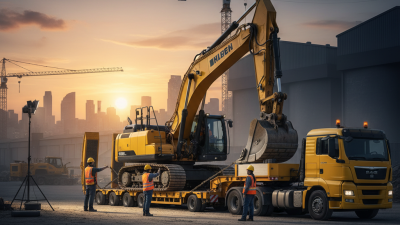
Finding reliable cheap earth moving equipment is rarely as simple as choosing the lowest advertised price. A discounted excavator may look attractive under bright warehouse lights, yet worn pins, hydraulic leaks, or missing service records can quickly change the calculation. This guide examines top suppliers worldwide, focusing on equipment value, inspection standards, replacement parts, delivery support, and after-sales communication. Price matters. Reliability matters more.
Mike Vorster, a respected construction equipment management specialist, said, “The cheapest machine is rarely the lowest-cost machine to own.” This principle remains useful when comparing compact excavators, wheel loaders, bulldozers, and used motor graders. A trustworthy supplier should explain engine hours, ownership history, operating conditions, and inspection results clearly. Buyers should request cold-start videos, undercarriage photographs, oil analysis, and serial-number verification. Small details reveal big risks.
The strongest suppliers do not hide imperfections. They identify repainting, tire wear, previous repairs, and regional specifications before payment. That honesty builds authority and protects buyers from unpleasant surprises. Still, no supplier list can replace an independent inspection. That is where this topic becomes less comfortable. A low-cost machine can be the right choice for a small contractor, but it may be a poor fit for rocky ground or continuous commercial work. Shipping insurance, import duties, technician availability, and parts access also deserve attention. These costs are easy to overlook. This overview offers a practical starting point for comparing worldwide suppliers while encouraging careful verification, realistic budgeting, and informed decisions.
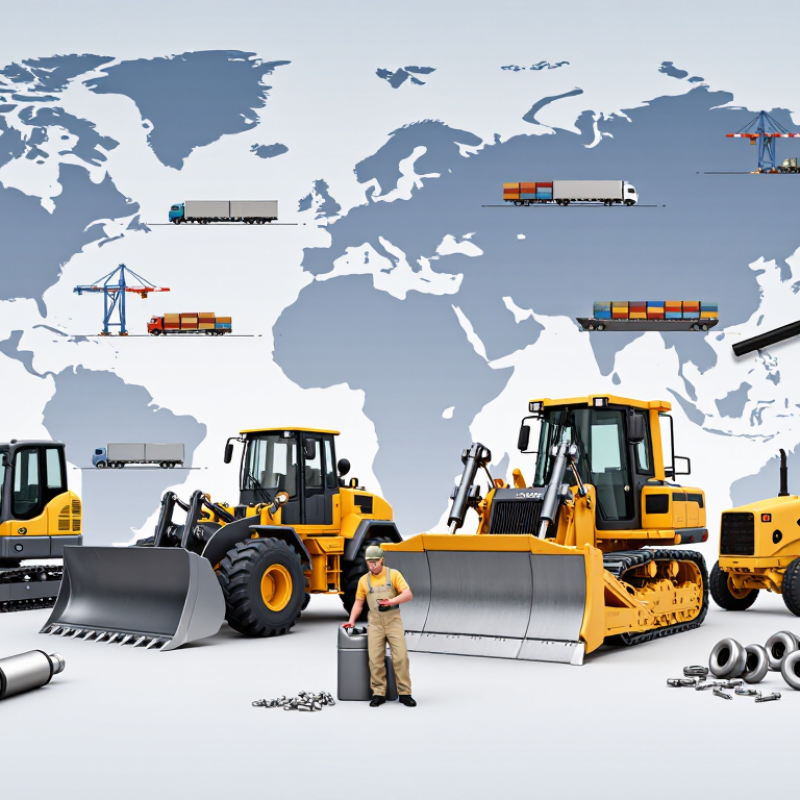
A cheap earth moving equipment supplier is not simply the one offering the lowest invoice. True affordability combines purchase price, fuel use, downtime, parts access, and resale value. Off-Highway Research’s 2024 market analysis indicates that global construction equipment demand remains above one million units annually. That scale intensifies price competition, but it also makes supplier quality harder to judge.
A reliable supplier provides machine history, operating-hour records, inspection images, and clear warranty terms. Ask for hydraulic pressure readings, engine service logs, and cold-start videos. Small details matter. The supplier should also identify compatible parts before payment, not after a breakdown. ISO 20474 safety requirements offer a useful technical reference for earth-moving machinery, although compliance documents still require careful verification.
The best low-cost offer usually includes local technician support and predictable delivery times. Deloitte’s 2024 supply chain research highlights continued disruption from freight volatility and component shortages. A cheap machine can become expensive when one seal waits six weeks at a port. Compare total ownership costs over three years, including tires, filters, oil, transport, and expected repairs. I have seen buyers focus too heavily on the first quotation. That choice is understandable, but incomplete. A supplier with transparent limitations may deserve more trust than one promising everything. There is no perfect bargain.
The global market for affordable earth-moving equipment is concentrated in Asia-Pacific. According to Off-Highway Research, worldwide construction equipment sales reached about 1.1 million units in 2023. China remains a major manufacturing and export base, supported by broad component supply and competitive factory pricing. India is expanding quickly, especially for compact excavators, loaders, and road machinery. Japan and South Korea remain important supplier markets, although their equipment often carries higher prices.
Europe and North America prioritize safety systems, fuel efficiency, and documented service history. Their used-equipment markets can offer strong value, especially for fleets with reliable maintenance records. UN Comtrade data for HS 8429 identifies China, Japan, Germany, the United States, and South Korea among leading exporters of self-propelled earth-moving machinery. Turkey also serves nearby markets across Europe, Central Asia, and the Middle East. Latin America, Africa, and Southeast Asia often depend on imported machinery, but shipping costs, spare-parts access, and local technician availability can change the final price sharply.
Cheap is not always economical. That assumption needs testing.
Tips: Compare total ownership cost, not only the invoice. Check engine hours, hydraulic leakage, undercarriage wear, and parts availability. Ask for serial-number records and independent inspection photographs. A low-cost machine without local support may become expensive within months. Fuel consumption also deserves attention. It is frequently overlooked.
Affordable earth moving equipment comes in several practical forms, each suited to different ground conditions and job sizes. Mini excavators are useful for trenching, drainage, landscaping, and foundation repairs. Their compact frames fit through narrow gates and reduce damage to finished surfaces. A small skid steer loader can handle pallets, soil, gravel, and light demolition attachments. It works well on firm ground, although muddy sites may reduce traction.
Compact track loaders provide better stability on soft soil because their tracks spread machine weight. They are often chosen for grading, brush clearing, and construction work near residential areas. Backhoe loaders combine a front bucket with a rear digging arm. This combination can reduce the need for two separate machines on medium-sized projects. Wheel loaders move large volumes quickly, but they need wider access and stronger ground support.
Used and refurbished machines can lower purchase costs, but condition matters more than appearance. Inspect hydraulic hoses, bucket pins, undercarriage wear, engine smoke, and service records. I once underestimated attachment costs, and the final budget changed sharply. That mistake still influences equipment planning. Operators should match lifting capacity, digging depth, fuel use, and transport requirements before buying. A machine that seems cheap may become expensive through repairs, downtime, or unsuitable attachments. Local training requirements and workplace safety rules also deserve careful checking before operation.
Comparing suppliers requires more than checking the purchase price. The Yellow Table 2024 industry report recorded about $243.4 billion in global construction equipment sales during 2023. That scale creates wide price differences between regions, but a cheaper quotation may hide freight, import duties, assembly, or currency risks. Ask for a delivered, job-ready price. Request separate figures for transport, taxes, warranty coverage, and replacement parts.
Total cost of ownership matters more than the invoice. Compare fuel use, service intervals, hydraulic component quality, tire costs, and expected resale value. A machine working 1,500 hours annually can make small fuel differences expensive. The International Energy Agency reports that construction equipment remains heavily dependent on diesel, so efficiency deserves careful attention. Supplier reliability also matters. Check average parts lead times, technician availability, training, and repair records from comparable projects. A low-cost machine is not always economical. The comparison can still be imperfect.
Tips: Use a five-year cost sheet. Add purchase, financing, fuel, maintenance, downtime, and resale assumptions. Ask suppliers to price identical operating hours. Test cold starts and hydraulic response before signing. Review independent inspection records, not only sales brochures. Also, check regional safety certification and emissions compliance. These details may seem minor, yet one delayed hydraulic valve can stop an entire excavation crew.
Low prices attract attention, but safe equipment deserves closer inspection. Ask suppliers for service records, load charts, inspection reports, and clear machine photographs. Check welds, hydraulic lines, tires, tracks, and protective structures. A leaking hose near a busy worksite can create serious risks. Request operating manuals in a language your crew understands. Confirm that machines meet applicable local safety requirements before purchase.
Quality depends on more than appearance. Compare engine hours with maintenance history and production year. Ask whether replacement filters, seals, and pins remain available in your region. A short video of the machine starting cold can reveal smoke, unusual noise, or slow hydraulics. Independent inspection costs money, but hidden repairs often cost more. I have seen buyers focus too heavily on purchase price and overlook worn attachments. That mistake is easy to repeat.
Shipping details also need careful review. Confirm dimensions, loading methods, delivery terms, insurance, and port charges in writing. Request photos after loading, especially for loose buckets and removable components. After-sales support should include response times, troubleshooting guidance, parts sourcing, and technician access. Some low-cost suppliers promise support vaguely. Ask for practical commitments instead. A reliable contact matters. Even strong equipment can lose value when one small part stays unavailable for weeks. My own view is imperfect: the cheapest offer may work, but only when safety checks and support are treated as part of the price.