How to Choose the Best Construction Machinery and Equipment?
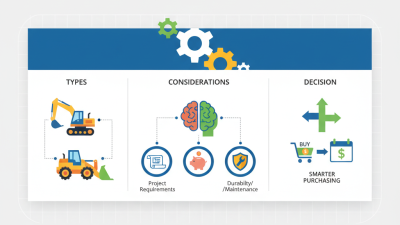
Choosing the best construction machinery and equipment is crucial for any construction project. The right tools can enhance productivity and ensure safety on site. However, the market is crowded with options. Each machine has features tailored for specific tasks, making selection challenging.
Consider factors like the type of project, budget, and machine specifications. Do you need heavy-duty equipment for large-scale operations, or lighter machines for smaller tasks? Knowing the nuances of different models can make a significant difference. It's easy to be overwhelmed. You may find that some machines, while popular, do not fit your unique needs.
Consulting industry experts can provide valuable insights. Their experience can guide you in making informed decisions. Don’t rely solely on online reviews; hands-on demonstrations can reveal practical issues. Take time to reflect on your choices. With careful consideration, you can choose construction machinery and equipment that enhances efficiency and effectiveness in your projects.
Understanding the Different Types of Construction Machinery and Equipment
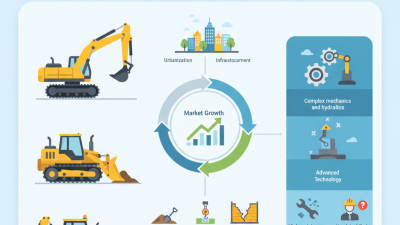
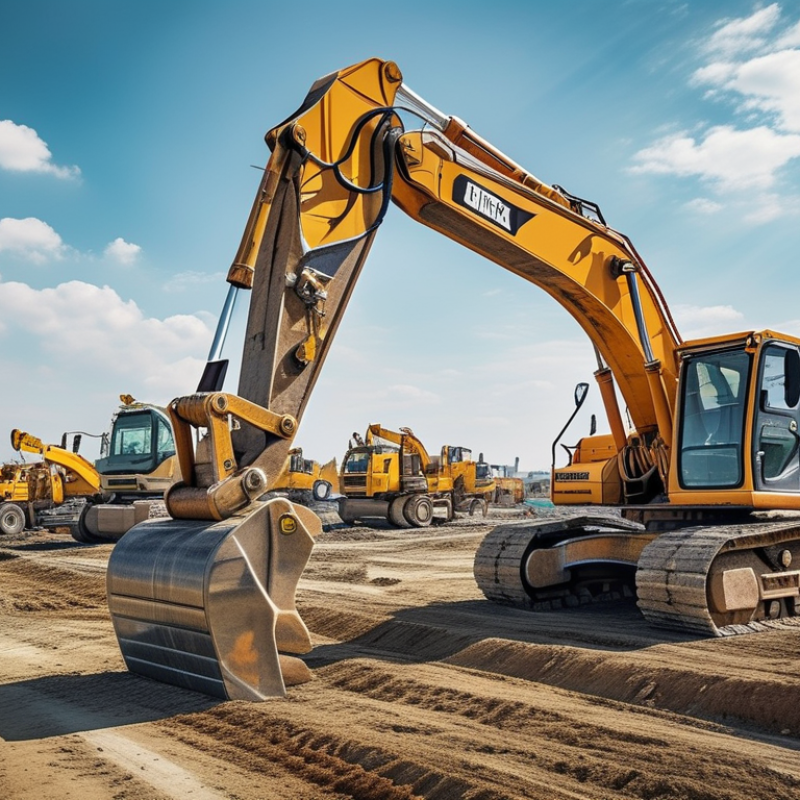
Understanding the various types of construction machinery and equipment is crucial for project success. Heavy machinery includes excavators, bulldozers, and cranes. Each type serves unique purposes and affects project efficiency. For instance, excavators are essential for digging and site preparation. As per industry reports, the global construction equipment market was valued at approximately $145.5 billion in 2021 and is projected to grow. This growth highlights the importance of selecting the right equipment.
Choosing the right machinery can lead to significant cost reductions. A study from the Construction Equipment Association indicates that efficient equipment utilization can lower project costs by 20-25%. However, not all machinery is suitable for every job. Sometimes, choosing a less known option could lead to better efficiency. While new models boast advanced features, older machinery may offer reliability at lower costs. Thoroughly assessing each machine's capabilities is imperative for optimal performance.
Investing in equipment with proper specifications is often overlooked. Many contractors fail to match machinery with project demands. This can result in delays and increased expenses. Regular maintenance is also vital for longevity, as neglected machinery can cause safety hazards. An equipment fleet that is not well-managed leads to wasted resources and puts projects at risk. Therefore, a careful selection process, aligned with project requirements, is essential for sustainable operation and success.
Evaluating Project Requirements and Machinery Specifications
When evaluating project requirements for construction machinery, understanding the specific needs of your project is crucial. An in-depth analysis can help identify the correct equipment type. A report by the Association of Equipment Manufacturers states that approximately 70% of project failures are linked to poor machinery selection. These statistics emphasize the importance of aligning machinery capabilities with project demands.
Consider the unique specifications of the machinery. Weight capacity, fuel efficiency, and lift height are vital factors. For instance, if a project requires heavy lifting, ensure the machinery can handle the load. A mismatch can lead to delays and increased costs. In a recent survey, 40% of contractors reported using equipment that was either under or over-specified, leading to inefficiencies on site. Such oversights often prompt teams to rethink their choices, reflecting the importance of accurate assessments.
Additionally, site conditions must be accounted for. Soil types and environmental factors directly affect machinery performance. Some equipment may struggle in wet or uneven terrains. As noted by industry experts, equipment adaptability is essential for successful operations. Failing to consider these variables may necessitate costly adjustments later in the project. This trial-and-error approach can create unforeseen challenges, highlighting the need for thorough evaluations upfront.
Assessing Budget Constraints and Cost-Effective Options
When approaching the selection of construction machinery and equipment, budget constraints play a crucial role. According to a report by the Construction Industry Institute, around 30% of project budgets are often allocated to equipment costs. This emphasizes the need for a thorough assessment to identify cost-effective options without compromising quality and safety.
Tips: Prioritize equipment leasing for short-term projects to minimize upfront costs. This can result in savings of 20-40%.
Evaluating the lifespan and maintenance costs of machinery is essential. New equipment may seem appealing; however, used machinery can offer significant savings. The National Equipment Register states that purchasing used can cut costs by up to 50%. Ensure you conduct a proper inspection to avoid higher long-term expenses due to hidden defects.
Tips: Create a checklist for maintenance history before purchasing used equipment. This helps identify potential future repairs.
Strategic budgeting should include a mix of needs versus wants. Prioritize essential machinery that directly impacts the project. Consider investing in reliable brands known for durability, as this can minimize unexpected expenses. Balancing cost and quality requires careful thought and adjustment along the way. Reflect on past purchases and learn from them to make wiser decisions.
Researching Manufacturer Reliability and Equipment Reviews
When selecting construction machinery and equipment, evaluating the reliability of manufacturers is crucial. Start by researching manufacturers extensively. Look for industry reputation and the years they have been in business. Online reviews and customer testimonials can provide insight into their reliability. However, take these reviews with a grain of caution. Not all feedback is objective, and some may be overly positive or negative.
Tips: Verify the sources of the reviews. Reliable websites often have systems to filter out fake feedback. Engage with peers or colleagues in the industry to get firsthand experiences. Personalized recommendations can be invaluable, giving you a clearer understanding of what to expect.
Be aware of the common pitfalls. Many buyers focus solely on price, ignoring quality. Equipment might seem cheaper but could lead to higher long-term costs. Investigate the materials used and the technology behind the machinery. Ask about warranties and maintenance services, as these factors can significantly affect your investment. Reflect on past purchases: what went well and what didn’t? Each choice can guide your future decisions.
Construction Machinery and Equipment Analysis
Considering Maintenance, Support, and After-Sales Services
When considering construction machinery and equipment, after-sales services play a crucial role. A reliable support system can make all the difference in maximizing your investment. Look for providers offering comprehensive maintenance plans. These plans can include regular inspections and prompt repairs. Prioritizing the right support can enhance the lifespan of your machinery.
Tips: Always inquire about warranty terms. Warranties often reveal the manufacturer's confidence in their products. Check if they provide training for operators. Well-trained employees can avoid costly mistakes and accidents.
Additionally, evaluate the availability of spare parts. Machines will inevitably need repairs. A supplier with easy access to parts can save you time and money. Transparency in communication is key. Reliable support means being able to reach out for help when it's needed. Machinery breaks down at inconvenient times. Having dependable support can alleviate stress during those situations.