Why Is Machinery and Equipment Essential for Global Trade?
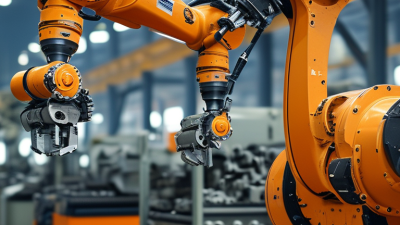
Machinery and equipment play a pivotal role in global trade. According to the International Federation of Robotics, global sales of industrial robots reached over 384,000 units in 2020, highlighting the growing reliance on advanced machinery. This surge demonstrates how businesses depend on technology to enhance production efficiency and meet international demand.
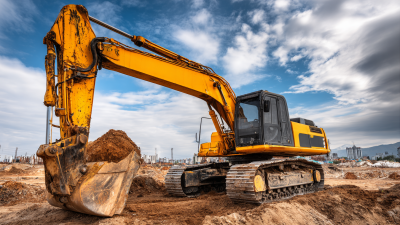
In various sectors, machinery and equipment are essential for ensuring high-quality outputs. For instance, the World Trade Organization reports that machinery accounts for nearly 50% of total global trade in goods. This showcases the value of investing in advanced technology to maintain competitiveness. However, regions lagging in machinery adoption risk falling behind in global trade.
Despite these advantages, challenges remain. Many businesses struggle with the high costs of acquiring and maintaining modern equipment. This leads to a reliance on outdated machinery, which can hinder growth. As the global landscape evolves, companies must balance the need for innovation with financial constraints. It's crucial to address these issues to sustain global trade's momentum.
The Role of Machinery in the Production Process of Goods
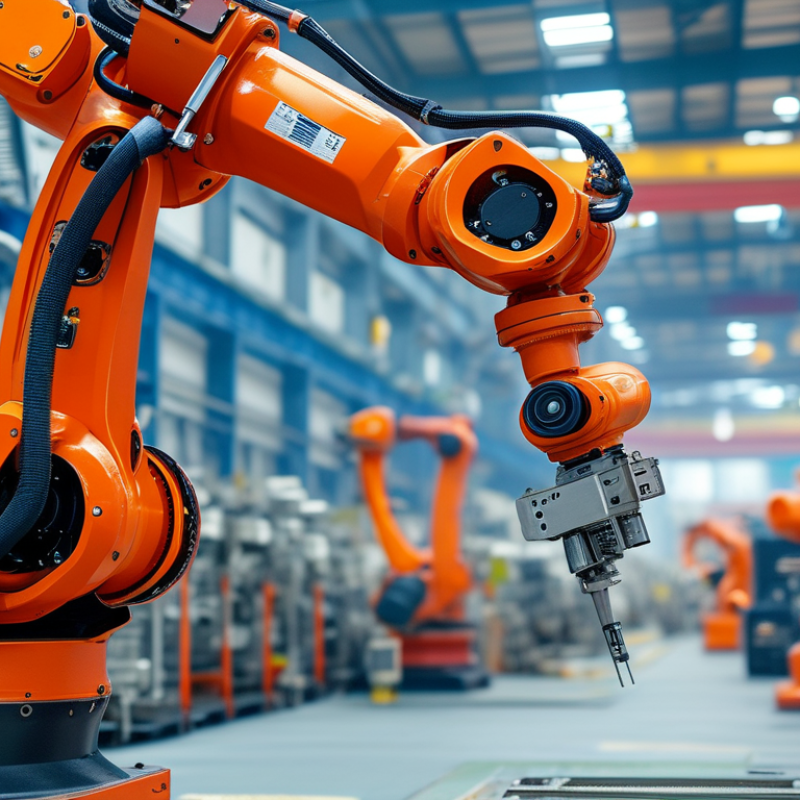
Machinery plays a pivotal role in the production process of goods, being essential for efficiency and quality. According to the International Federation of Robotics, global industrial robot sales reached approximately 465,000 units in 2021. This surge reflects a growing reliance on machinery in manufacturing sectors worldwide. From automotive production to electronics assembly, robots streamline operations, reduce human error, and enhance precision.
The impact of machinery is seen in output rates as well. A report from McKinsey suggests that companies using advanced manufacturing technologies can increase productivity by 20 to 30 percent. However, this shift raises concerns about workforce displacement. As machinery becomes more capable, the need for skilled operators grows. Industries may struggle to maintain a workforce that can adapt to this rapid technological advancement. While machines enhance production, the balance between automation and human labor remains a complex challenge.
Investing in machinery is vital, but it’s a double-edged sword. While machinery boosts production capacity, companies must also focus on training and reskilling their workforce. The reliance on technology requires businesses to continuously evaluate their operations and employee needs. Embracing machinery is essential, but companies must reflect on its broader implications.
Impact of Equipment on Industrial Efficiency and Productivity
Machinery and equipment play a pivotal role in industrial efficiency. According to a report from McKinsey, companies that invest in advanced machinery can boost productivity by up to 30%. This enhancement often stems from automation and precision that modern equipment provides. Advanced machinery reduces human error, ensuring that processes run smoothly and efficiently.
However, not all organizations leverage these advancements effectively. A study by the International Trade Administration found that 40% of small to medium enterprises (SMEs) struggle with outdated equipment, which limits their growth potential. This discrepancy highlights the need for continuous investment in machinery. Upgrading can lead to significant gains in speed and efficiency, yet it requires a strategic approach.
Additionally, equipment failures can induce substantial operational disruptions. A report by Deloitte revealed that companies lose approximately $50 billion annually due to unexpected equipment breakdowns. These failures stem from a lack of regular maintenance and poor tracking systems. Reflecting on these issues, industries must adopt proactive maintenance strategies to ensure operational continuity and maximize the benefits of their machinery and equipment investments.
Why Is Machinery and Equipment Essential for Global Trade? - Impact of Equipment on Industrial Efficiency and Productivity
| Region |
Machinery Investment (Million $) |
Industrial Output (% Growth) |
Productivity (Output per Worker) |
Trade Volume (Billion $) |
| North America |
15000 |
3.5% |
$90,000 |
5000 |
| Europe |
20000 |
2.8% |
$85,000 |
4500 |
| Asia |
30000 |
5.0% |
$70,000 |
8000 |
| South America |
8000 |
3.2% |
$35,000 |
1200 |
| Africa |
5000 |
4.0% |
$20,000 |
800 |
Logistical Importance of Machinery in International Shipping
Machinery plays a crucial role in international shipping. It facilitates the movement of goods across borders efficiently. Heavy equipment, like cranes and forklifts, streamline loading and unloading processes at ports. This efficiency reduces transit times, which is vital in today's fast-paced market.
However, relying on such machinery also presents challenges. Mechanical failures can disrupt operations significantly. Equipment maintenance is often neglected, leading to unexpected downtime. Companies must balance investment in reliable machinery with the need for regular upkeep.
The integration of technology with machinery can help mitigate these issues. Automated systems can enhance precision and efficiency. Real-time tracking ensures transparency throughout the shipping process. Yet, as technology evolves, training is essential for workers. Without proper knowledge, the benefits of advanced machinery may not be fully realized.
How Technology Advances in Machinery Facilitate Global Trade
Machinery and equipment play a vital role in facilitating global trade. Technological advancements in these areas have transformed how goods are produced and transported. Automated systems minimize human error and enhance efficiency. This leads to faster production cycles and quicker delivery times.
One significant advancement is the integration of artificial intelligence into manufacturing. AI helps in predicting demand and optimizing supply chains. This means businesses can respond swiftly to market changes. However, reliance on technology can lead to vulnerabilities. If systems fail, operations may halt, causing delays.
Moreover, enhanced machinery reduces carbon footprints. For instance, energy-efficient machines consume less power. This aligns with global sustainability goals. Yet, companies must invest wisely in technology. Not all innovations are beneficial or cost-effective. Organizations need to assess their needs carefully. Doing so ensures that technological investments elevate productivity without unnecessary risks.
Global Trade and Machinery: The Impact of Technology Advances
The Contribution of Machinery to Economic Growth and Development
Machinery and equipment play a vital role in driving economic growth and development. According to the International Monetary Fund (IMF), nations that invest in advanced machinery often see a significant boost in productivity. A report from the World Bank highlights that countries enhancing their manufacturing capabilities can increase their GDP growth by up to 1.5%. These tools are not merely operational but are foundational for innovation across various sectors.
Manufacturing requires efficient machinery for quality production. The World Economic Forum states that automation increases efficiency by 20%. This has a domino effect on job creation and skill development. However, it raises questions about the future of labor. When do we find balance? Investing in machinery often leads to workforce displacement. Striking a balance is essential. The automation wave introduces benefits but also requires careful management of social impacts.
Moreover, the contribution of machinery extends beyond productivity. It impacts the environment and resource consumption. Reports indicate that advanced machines can reduce energy usage by up to 30%. However, this can lead to overreliance on technology. How do we ensure sustainability? As we witness machinery revolutionizing trade, a conscious effort must be made to address its complexities.