How to Source Machinery and Equipment for Your Business?
Sourcing machinery and equipment is a critical process for any business aiming for efficiency and growth. According to the International Federation of Robotics, global industrial robot sales reached over 465,000 units in 2021, showcasing the rising demand for advanced machinery. Businesses must navigate a complex landscape of options ranging from heavy equipment to specialized tools. This growth highlights the importance of making informed decisions when selecting machinery and equipment.
To ensure a competitive edge, companies must understand market trends and supplier reliability. Reports from the World Economic Forum indicate that supply chain disruptions have intensified, making it essential to evaluate suppliers carefully. A trusted supplier can significantly impact operational efficiency. Yet, not all suppliers are created equal, and businesses can benefit from meticulous research and analysis.
Finding the right machinery and equipment involves reflecting on specific needs and potential challenges. For instance, the cost of maintenance, availability of parts, and technical support are crucial factors. A few businesses overlook these aspects, risking operational setbacks. In a dynamic market, staying informed and adaptable is vital for long-term success.

Identifying Your Business Machinery and Equipment Needs
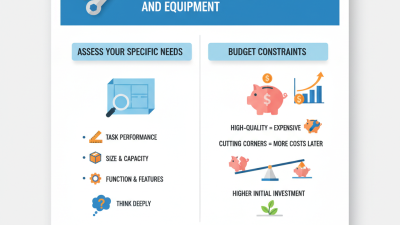
Identifying machinery and equipment needs is crucial for any business. Start by assessing your operational processes. What tasks require mechanical assistance? Analyze your current workflows. Find areas where efficiency could improve.
Talk to your team. They can provide insights on daily challenges. Their experiences may highlight specific machinery requirements. Gather feedback on what tools could streamline their work. Consider conducting a survey to collect input systematically.
Tips: Consider the size and scale of your operations. Overinvesting in machinery can strain your finances. Renting equipment can be a good option for short-term needs. Monitor industry trends; new technologies can offer innovative solutions. Stay informed about safety and compliance requirements. This knowledge helps avoid future liabilities.
Evaluate the return on investment for each piece of equipment you consider. It’s vital for long-term growth.
Researching Suppliers and Manufacturers for Machinery and Equipment
Researching suppliers and manufacturers is a crucial step in sourcing machinery and equipment for your business. It often involves balancing costs, quality, and reliability. The global machinery market is projected to grow by over 6.4% annually through 2025, according to a recent industry report. This growth indicates numerous options are available, but finding the right fit takes effort.
Start by identifying potential suppliers who specialize in your industry. Attend trade shows and industry conferences where manufacturers showcase their products. Networking can lead to valuable relationships. Online platforms also offer a wealth of information. However, tread carefully; not all online suppliers can be trusted. Verify their credentials and assess their market reputation.
Once you have a list, request quotes from multiple suppliers. Compare not just prices, but also warranty terms, customer service, and delivery timelines. Around 30% of sourcing decisions can be attributed to service quality alone. Keep in mind, high-quality machinery may come with higher upfront costs, but they often yield better long-term savings. Evaluate each option thoroughly, as overlooking details can lead to costly mistakes in the future. This research phase requires diligence and introspection about what your business truly needs.
Evaluating Quality and Reliability of Machinery Options
When sourcing machinery and equipment, quality and reliability are crucial. Assessing these factors can protect your investment. Start by examining the materials used in manufacturing. High-quality materials often indicate durability and lower maintenance costs.
Conduct thorough research. Seek expert reviews and testimonials. This helps in identifying reliable manufacturers. Always ask for warranties. This shows the manufacturer’s confidence in their product.
**Tip:** Create a checklist of essential features. Compare potential purchases against this list.
Watch out for red flags. Unusually low prices may signal inferior quality. If possible, visit the manufacturer. Seeing their operation can provide invaluable insights.
**Tip:** Build relationships with other businesses. They can share experiences and recommendations. This peer insight can save time and resources.
Evaluating machinery isn’t just about specifications. It’s about finding a partner who understands your needs. Investing in quality will pay off in the long run.
Negotiating Prices and Terms for Equipment Purchases
Negotiating prices and terms for machinery and equipment purchases can be a challenging process.
Market data shows that up to 70% of buyers feel unprepared for negotiations.
Understanding your needs and the market value of equipment is crucial.
Research recent sales, competitive pricing, and industry trends.
The Machinery and Equipment Study Report (2023) indicates that buyers often
overlook maintenance costs, which can lead to overspending.
Consider starting negotiations with a clear budget.
Presenting a solid financial plan helps build credibility. However, be flexible. Sellers may have different priorities.
Creating a win-win scenario can lead to better terms.
Keep in mind that a lower upfront cost may result in higher long-term expenses due to maintenance or energy inefficiencies.
Your ability to negotiate effectively can greatly impact your business.
A 2022 survey found that businesses achieving favorable deals on equipment
saved an average of 25% on initial investments.
Always think critically about your approach. Reflect on past negotiations and their outcomes.
How did they affect your operational efficiency?
Striving for improvement in these areas can enhance your future negotiations.
Understanding Logistics and After-Sales Support for Equipment
When sourcing machinery and equipment, after-sales support is crucial. This support can enhance your investment. It covers repairs, maintenance, and training. Many businesses overlook these aspects, leading to costly downtime later. Equipment that lacks proper support can become a liability.
Understanding logistics is equally important. Efficient delivery means that equipment arrives on time and in good shape. Delays can disrupt operations. Consider the transportation options available. Evaluate providers based on their track record. Are they reliable? Look for reviews and testimonials from other customers.
Think about how you will manage the equipment after installation. Will you need ongoing technical assistance? Make sure your supplier offers local support. Do not assume that help will be just a call away. Research providers to find those with a strong reputation. Their expertise can be invaluable.
Machinery and Equipment Sourcing Analysis
This chart illustrates the sourcing methods for machinery and equipment utilized by businesses based on recent survey data. The data includes various sourcing methods and their percentage usage, showcasing the predominant strategies businesses adopt in acquiring machinery and equipment.