China has become a major sourcing destination for global contractor equipment buyers. Its manufacturers offer excavators, loaders, cranes, compactors, generators, and attachments for diverse jobsite conditions. Yet a competitive price does not automatically indicate dependable value. Buyers must examine engineering quality, production controls, documentation, and long-term service capacity.
Kip Eideberg, President and CEO of the Association of Equipment Manufacturers, has emphasized, “Equipment manufacturers are essential partners in building the world’s infrastructure.” His point matters when evaluating Chinese suppliers. A machine is not merely a steel product. It is a working partner exposed to dust, vibration, heat, and demanding operators. Reliable suppliers should provide traceable components, clear specifications, factory inspection records, and responsive technical support. They should also explain warranty limits without hiding behind vague language.
This guide examines China’s best contractor equipment suppliers through practical purchasing criteria. It considers manufacturing experience, product range, export performance, customization ability, spare-parts availability, and after-sales communication. Certifications may support credibility, but they are not the entire story. A clean certificate cannot repair poor assembly or delayed parts. Buyers should request videos of operating machines, inspect welds and hydraulic routing, and test controls before placing large orders. Small details matter.
The process is not perfectly predictable. Even experienced buyers can misjudge a supplier after one successful transaction. That deserves reflection. The strongest decisions combine verified evidence, site-specific requirements, and cautious commercial planning. This overview aims to help global buyers compare Chinese manufacturers more confidently, while recognizing that every project has different risks, budgets, and performance expectations.
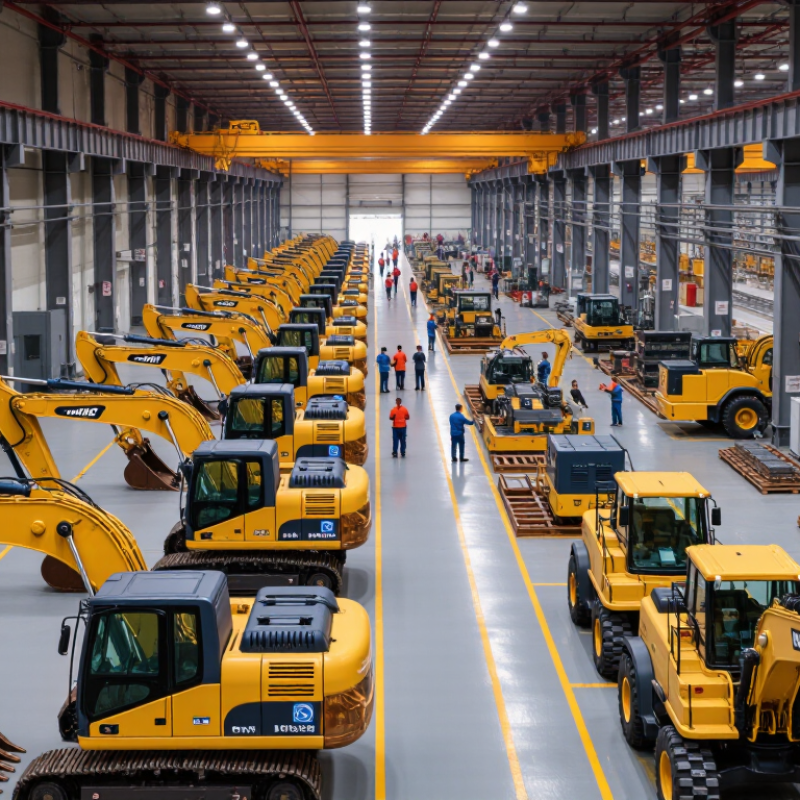
A top supplier combines factory discipline with practical field experience. The China Construction Machinery Association reported construction equipment exports above US$48 billion in 2023. That scale matters, but shipment value alone proves little. Buyers should inspect production records, welding controls, serial-number traceability, and documented load testing. Ask for recent inspection videos, not polished catalog images.
Proof matters.
Reliable suppliers also understand international delivery after the machine leaves the workshop. The World Bank’s Logistics Performance Index 2023 ranked China 19th globally, showing strong logistics capability but not perfect performance. A serious supplier should provide accurate packing lists, HS codes, spare-parts schedules, and export documents. It should also explain warranty response times across different time zones. Delays expose weakness.
In my experience, small details matter most, such as sealed electrical connectors, reinforced crate corners, and readable maintenance labels. However, factory audits can still miss rushed final inspections. That risk deserves open discussion, not optimistic promises.
Top suppliers welcome independent testing and clearly record corrective actions. They also adapt controls for climate, voltage, terrain, and operator habits. A machine that performs well in a showroom may struggle on a wet quarry road.
This practical gap separates a capable manufacturer from a dependable global partner.
Global construction projects rarely need one machine type. Excavators open foundations. Wheel loaders move aggregate. Cranes handle steel and prefabricated sections. Concrete pumps support high-rise pours. The category mix should follow site conditions, not catalogue size.
Oxford Economics’ Global Construction 2030 report projected global construction output to reach 15.5 trillion dollars by 2030. That scale increases demand for dependable, cross-border equipment sourcing.
Core categories include earthmoving, lifting, concrete, road construction, compaction, generators, and hydraulic attachments. Each category solves a different site problem.
Earthmoving machines need digging force and stable undercarriage performance.
Lifting equipment requires verified load charts and accurate control systems.
Road equipment depends on consistent vibration, paving accuracy, and fuel efficiency.
The IEA and UNEP reported that buildings and construction represented 34% of global energy demand in 2022. The sector also produced 37% of energy and process-related carbon dioxide emissions. Efficient engines and lower-emission power options now deserve serious attention.
For global buyers, supplier checks should cover duty cycles, spare parts, manuals, warranty response, and conformity documents. Request serial-level inspection photos. Independent testing is safer than catalogue promises.
A low price may hide expensive downtime. This happens often.
Procurement teams should also compare voltage standards, transport dimensions, operator training, and local service capacity.
This framework is useful, but not flawless; actual soil, climate, and contractor skill can change equipment performance considerably.
China Best Contractor Equipment Suppliers for Global Buyers
Chinese suppliers serve international contractor-equipment buyers through flexible production, detailed communication, and export experience. Many factories can adjust bucket sizes, drilling tools, lifting attachments, or compact machines for different job conditions. A reliable supplier should explain material grades, load limits, testing methods, and expected service life in clear English.
International buyers often begin with drawings, site photos, and working specifications. Suppliers may then provide samples, inspection points, packing plans, and shipping documents. A serious purchasing process includes checking factory capacity, reviewing previous export records, and confirming spare-parts availability. Video inspections can show welding areas, machining equipment, paint quality, and final assembly. Small details matter.
Errors still happen. A quotation may omit inland delivery costs or list an unclear power standard. We once treated a polished sample as sufficient evidence, but production consistency required more checks. Buyers should request written tolerances, inspection photos, serial records, and signed approval before shipment. Independent inspections add useful distance between promises and results. Communication also needs patience, because translated technical terms can change meaning. Clear drawings and numbered questions reduce confusion. Good suppliers do not avoid difficult questions; they explain limitations, suggest workable alternatives, and correct mistakes openly.
The chart summarizes the main service areas commonly evaluated by international buyers when sourcing construction and contractor equipment from China. Documentation, logistics coordination, customization, and after-sales support are key parts of a cross-border supply process.
Service coverage index: 0–100, based on standard international sourcing requirements rather than individual company performance.
Quality should be visible before payment. Inspect weld consistency, paint coverage, hydraulic connections, tire condition, and control response. A reliable supplier should provide production records, material details, and clear quality checkpoints. Ask for photographs from the actual production line, not only polished catalog images. Small details matter.
Certification requires careful checking. Confirm the certificate’s issuing body, validity, product scope, and matching model number. Requirements differ between countries and equipment categories. A document may look official but cover another machine. Request user manuals, risk assessments, test reports, and declarations in understandable English. An independent pre-shipment inspection can reveal loose guards, missing labels, or unstable emergency stops. Test it under load.
Safety depends on design and daily use. Look for overload protection, visible warning labels, secure access steps, protective covers, and clearly marked lifting points. The supplier should explain maintenance intervals and provide spare-part identification. Training materials should cover parking, inspection, shutdown, and unusual noise. A checklist can still miss something. Encourage workers to report defects without delay, even when production pressure is high. In my view, responsible sourcing also means checking factory conditions, traceability, and after-sales communication. If a supplier avoids technical questions or changes specifications casually, treat that as a serious warning. Reliable evidence is more valuable than confident promises.
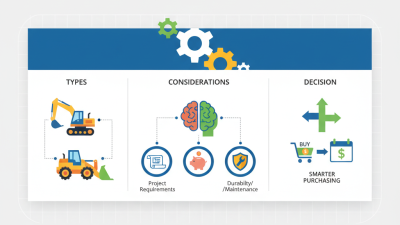
Choosing the right contractor equipment supplier requires more than comparing catalog prices. Your market, project size, and operating conditions should guide every decision. A compact excavator may suit urban work, while a stronger loader fits large construction sites. Check engine performance, attachment compatibility, fuel use, and spare-part availability. Ask for test reports, service records, and clear product specifications. Reliable suppliers explain limitations instead of promising everything.
Tips: Define your budget before requesting quotations. Compare the total cost, not only the factory price. Include shipping, taxes, training, maintenance, and replacement parts. Request videos showing equipment under real working conditions. Confirm delivery schedules and warranty procedures in writing. A small sample order can reveal packaging, communication, and quality issues early.
Experience has taught many buyers that the cheapest offer is not always economical. A machine may arrive on time yet become expensive without local technical support. Review the supplier’s export experience, inspection process, and response time. Independent inspections can verify welds, hydraulics, safety features, and documentation. Do not ignore regional requirements for emissions, electrical systems, or operator protection. Some decisions still involve uncertainty. That is normal. Leave room in your budget for unexpected repairs, because perfect forecasts rarely exist.