How to Choose the Right Contractor Equipment for Your Projects?
When embarking on a construction project, choosing the right contractor equipment is crucial. The type of equipment can greatly influence efficiency, safety, and overall project success. A well-informed choice can save time and money while ensuring high-quality work. It is essential to assess your specific project needs carefully.
Various factors come into play when selecting contractor equipment. You must consider the nature of the job, site conditions, and equipment capabilities. Each project comes with its unique challenges, and the right tools can make a significant difference. Additionally, consulting with experienced professionals can provide valuable insight into best practices.
However, navigating the multitude of options available can be daunting. Mistakes in equipment selection can lead to delays and increased costs. Evaluating equipment based on performance, reliability, and user reviews can help mitigate these risks. Understanding the shortcomings of certain equipment types can also guide you toward better choices, ensuring your projects are not only completed on time but also within budget.
Understanding Project Requirements for Equipment Selection
Selecting the right contractor equipment begins with understanding your project requirements. Each project presents unique challenges. Consider the scope, timeline, and specific tasks required. For example, heavy equipment might be necessary for excavation but less suitable for landscaping. Knowing these details helps narrow down your options effectively.
Next, evaluate the terrain and environment of your project site. Will you work on rocky ground or soft soil? This can influence whether you need bulldozers or compactors. Additionally, assess the size and scale of your operation. Larger sites might demand multiple machines for efficiency, but small projects might only need basic tools. Finding the balance between over-equipping and under-equipping is crucial yet often overlooked.
Communication with team members is essential. Their input can highlight overlooked needs or suggest alternative approaches. Reflecting on past projects can also guide your decisions, revealing what equipment worked well or posed challenges. Each project is a learning opportunity, and adapting your equipment selection process is part of the growth journey.
Evaluating Different Types of Contractor Equipment Available
Selecting the appropriate contractor equipment is crucial for project success. With numerous options available, evaluating these tools becomes imperative. Data from a recent industry report indicates that using the right equipment can increase productivity by up to 30%. This emphasizes the importance of choosing wisely, as the wrong tools can lead to delays and inflated costs.
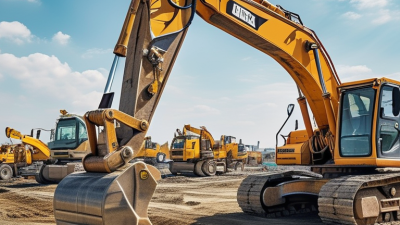
Two major types of equipment dominate the contractor scene: heavy machinery and hand tools. Heavy machinery, such as excavators and bulldozers, is ideal for large, earth-moving projects. They often have higher upfront costs but offer durability and power. Conversely, hand tools, like drills and wrenches, are essential for detailed work and minor repairs. These are generally less expensive and can be easily transported. However, the right selection depends on the specific job requirements. It’s important to consider the balance between cost and functionality.
Some contractors may rush their equipment choices, ignoring the need for thorough evaluation. This haste can result in subpar performance and safety hazards. Reports suggest that over 20% of projects face delays due to inappropriate equipment selection. A prudent assessment of what each project demands can mitigate this risk. Understanding the equipment's limitations is as critical as knowing its strengths.
Assessing Equipment Performance and Reliability Factors
When selecting contractor equipment, assessing performance and reliability is crucial. Look closely at the equipment's specifications. Understand how their features impact actual job performance. If possible, test the equipment on a smaller scale before committing. This initial assessment can highlight strengths and weaknesses.
Reliability should not be overlooked. Equipment that breaks down frequently can lead to delays and increased costs. Research user reviews and expert opinions to gauge reliability. Talk to other contractors about their experiences. Real-world feedback provides insights that specifications alone cannot.
It's essential to balance performance with reliability. High-performance equipment may not be the best choice if it fails often. Consider the durability of materials used and the manufacturer's reputation. A thoughtful evaluation process can prevent future frustrations and ensure project success.
Equipment Performance Comparison for Contractor Projects
Considering Budget Constraints and Cost-Effectiveness
When selecting contractor equipment, budget constraints play a crucial role. Understanding your project’s specific needs is essential. A recent report from the Associated General Contractors of America indicates that 30% of contractors face budget overruns due to improper equipment choices. The right gear can save money and time, enhancing overall cost-effectiveness.
Evaluating options is vital. Aim to balance quality and cost. For instance, high-quality used equipment often provides substantial savings without compromising performance. According to EquipmentWatch, used equipment can be 30% cheaper than new models. However, it’s important to inspect these items for wear and durability before purchasing.
Renting equipment can also be a strategic option. This method reduces initial capital outlay and maintenance costs. A survey by the American Rental Association shows that 70% of contractors prefer renting for short-term projects. While this approach offers flexibility, it’s essential to calculate long-term expenses. Over time, rental fees can accumulate, possibly surpassing the cost of ownership. Reflecting on your project scope and duration is necessary to make an informed decision.
How to Choose the Right Contractor Equipment for Your Projects? - Considering Budget Constraints and Cost-Effectiveness
| Equipment Type |
Purchase Cost ($) |
Maintenance Cost per Year ($) |
Average Lifespan (Years) |
Rental Cost per Day ($) |
Recommended Use |
| Excavator |
80,000 |
2,500 |
10 |
400 |
Large excavation projects |
| Bulldozer |
75,000 |
3,000 |
12 |
350 |
Land grading and site preparation |
| Scaffold |
5,000 |
500 |
5 |
50 |
General construction and repairs |
| Concrete Mixer |
10,000 |
600 |
7 |
75 |
Concrete pouring and mixing tasks |
| Forklift |
35,000 |
1,200 |
8 |
150 |
Material handling in warehouses |
Researching Vendor Credibility and Customer Support Services
When selecting contractor equipment, evaluating vendor credibility is essential. Start by looking into their history. A well-established vendor often has a track record of reliability. Check for reviews and ratings. Genuine customer feedback can illuminate the vendor's strengths and weaknesses.
Customer support services also play a crucial role. Prompt assistance can save time and money during a project. Investigate their support channels. Are they accessible via phone, chat, or email? Assess response times. A vendor's willingness to provide support often reflects their commitment to customer satisfaction.
Don’t overlook any red flags. Are there frequent complaints about equipment quality or service response? These may indicate deeper issues. Understanding these factors will aid in making informed decisions. Consider reaching out to past clients if possible. Their insights can be invaluable in steering your choice.