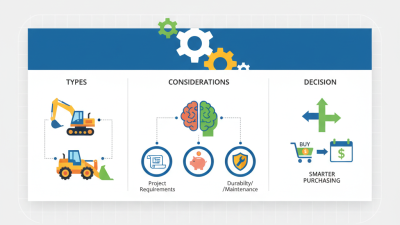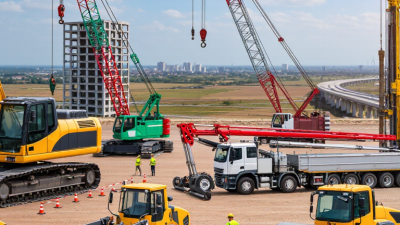
Choosing contractor equipment is not simply a matter of comparing prices. It is a practical decision about productivity, safety, maintenance, and long-term business stability. A compact excavator may look affordable, but its value depends on daily workload, attachment needs, transport limits, and operator experience. A larger machine may finish projects faster, yet its fuel use and storage demands could weaken your margins.
Jim Umpleby, chairman and CEO of Caterpillar, has said, “Our customers are at the center of everything we do.” That principle should guide every equipment purchase. Speak with operators before visiting dealers. Record the ground conditions, lifting requirements, working hours, and common breakdowns from recent projects. Details matter. Mud changes everything.
Reliable contractor equipment should match the work, not merely impress clients. Check service access, warranty coverage, replacement-part availability, safety features, and resale value. Ask whether your current team can operate the machine confidently. Training costs are easy to overlook. They still affect the final decision.
Rental records can reveal useful patterns. If the same machine appears on several invoices, ownership may deserve serious consideration. However, buying can become a mistake when utilization remains low. I have seen businesses choose equipment based on one demanding project, then struggle with idle assets afterward. That is worth questioning.
This guide will examine machine categories, capacity ratings, ownership costs, and dealer support. It will also challenge a common assumption: the most powerful machine is rarely the most suitable one. Your best choice should work efficiently on an ordinary Tuesday, not only during an ambitious contract.
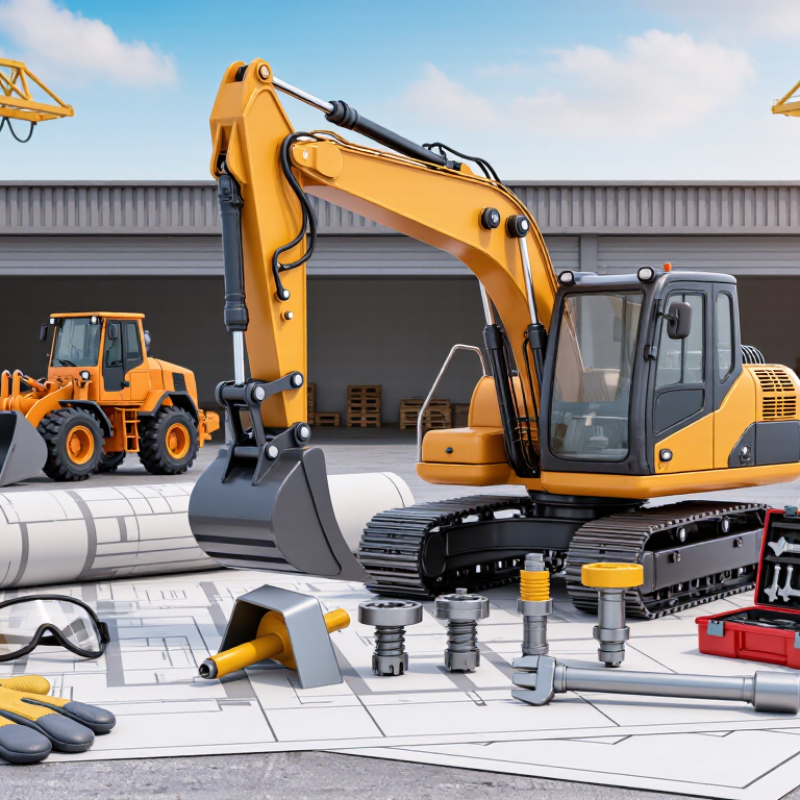
Define your work before comparing machines. List project types, jobsite surfaces, access limits, material weights, and expected operating hours. A compact loader may suit tight urban sites, but it can struggle with heavy excavation. Record the task, not just the equipment name. My first equipment list was too optimistic. I ignored transport time and underestimated operator fatigue. That mistake increased delays.
Use recent project records to estimate demand. Review monthly utilization, fuel use, repair hours, and rental costs. A 2024 construction workforce survey reported that 94% of contractors struggled to fill open positions. Equipment with simple controls may reduce training pressure when skilled labor is limited. The U.S. Bureau of Labor Statistics projects construction employment to grow 7% from 2023 to 2033. That growth may increase pressure on both people and machines. Select equipment that improves output without creating difficult maintenance or safety demands. Check rated capacity, visibility, stability, noise, and attachment compatibility. A larger machine is not automatically better.
Tips: Build a three-column worksheet: required task, minimum capacity, and acceptable cost. Test one machine on a realistic site before purchasing. Ask operators where visibility fails. Keep a small contingency for repairs; my early budgets did not, and they broke quickly. Recheck your assumptions after every major project. Data becomes useful only when the site confirms it.
Choosing contractor equipment starts with the project, not the machine.
I compare soil conditions, access width, lifting height, and daily workload before reviewing specifications.
A compact excavator suits trenching in narrow residential areas. A full-size excavator offers deeper digging and stronger breakout force for foundations or drainage work. It needs more space, fuel, and transport planning.
Skid steers provide maneuverability on crowded sites.
Their attachments can handle grading, augering, sweeping, and material movement.
Compact track loaders create better traction on soft ground, but their tracks may cost more to maintain.
Wheel loaders move larger volumes quickly across firm surfaces. They are less suitable for muddy, confined locations.
Capability depends on more than engine power. Check operating weight, hydraulic flow, bucket capacity, turning radius, and attachment compatibility.
Lifting equipment requires careful application matching.
A telehandler can place materials at height, while a scissor lift offers a stable platform for vertical work. Rough-terrain lifts perform better outdoors, especially on uneven ground.
Compactors also vary: a vibrating plate suits narrow trenches, while a roller covers wider soil or asphalt areas.
I once selected a machine mainly for its rated capacity and underestimated transport limits. That mistake delayed delivery and increased labor costs.
A written equipment comparison, based on real site measurements, prevents similar oversights.
Sometimes, renting a smaller machine is the more practical choice.
How to Choose Contractor Equipment for Your Business
Ownership cost is more than the purchase price. Track fuel, insurance, maintenance, storage, transport, operator time, and expected resale value. A machine costing $120,000 may consume $18,000 yearly in fixed and operating expenses. At 600 annual hours, that equals $30 per hour before financing.
Utilization changes the decision. The American Rental Association projected U.S. equipment-rental revenue at approximately $59 billion in 2024. That scale reflects a practical reality: many contractors prefer flexible access over permanent ownership. Compare your expected working hours with rental rates and delivery charges. If utilization stays below 40% of available hours, renting may protect cash flow. This threshold is not universal.
Financing also needs a stress test. The Equipment Leasing and Finance Association reported more than $1 trillion in annual new business volume across U.S. equipment finance markets. Compare total repayment, fees, down payment, and balloon obligations, not just the monthly amount. A low payment can hide a costly final balance. Ask whether the equipment will still earn revenue after the loan ends. Review service records and resale prices from comparable machines. I once underestimated idle time during winter projects; the spreadsheet looked profitable, but the yard stayed quiet. Build a conservative case with 20% fewer working hours. Then test fuel prices, repair delays, and one missed project.
How to Choose Contractor Equipment for Your Business
Safety standards should guide every equipment decision. Check the machine’s rated capacity, emergency stop function, guards, alarms, and operator visibility. Ask for inspection records and maintenance instructions before purchase. Requirements vary by region, so confirm them with a qualified safety professional. A low price means little if workers cannot use the equipment safely.
Durability becomes visible in small details. Examine frame welds, hydraulic connections, tires, seals, and corrosion-prone surfaces. Match the machine’s duty cycle to your actual workload, not an optimistic estimate. On a dusty site, protected controls and easy-to-clean filters can prevent frequent failures. I once underestimated service access, and a simple repair consumed half a workday. That mistake changed how I compare equipment.
Operator requirements deserve equal attention. Controls should feel clear, reachable, and consistent, even when gloves are worn. The cab or platform needs stable footing, useful lighting, and an unobstructed view. Check whether operators need formal training, practical assessment, or task-specific instruction. Consider language, physical reach, fatigue, and the experience level of temporary workers. A short demonstration can reveal awkward controls that product specifications miss. Invite experienced operators to test the equipment before committing. Their criticism may be inconvenient, but it often exposes risks that paperwork cannot.
Check safety standards, durability, and operator requirements before purchasing or renting equipment.
The chart shows OSHA minimum clearance distances for crane operations near energized overhead power lines. Use this safety check together with equipment durability reviews, rated-capacity verification, inspection records, and documented operator training. Requirements above 1,000 kV must be established by the utility owner or a registered professional engineer.
Source: OSHA 29 CFR 1926.1408, Table V-1 — Minimum Clearance Distances
Equipment choices should begin with the worksite, not a sales brochure. I compare load capacity, terrain, transport limits, fuel use, and operator skill requirements. The American Rental Association’s 2024 forecast valued the U.S. equipment rental market at about $78.7 billion. That figure reflects a practical trend: businesses increasingly rent before purchasing. Renting can protect cash flow, but repeated use may justify ownership.
Select suppliers who provide clear specifications, service records, parts availability, and realistic delivery times. Ask for a written maintenance process. It should identify inspection intervals, emergency support, and replacement equipment. The Associated General Contractors’ 2024 Workforce Survey found that 94% of firms struggled to hire workers. Therefore, simple controls and strong training matter. A technically capable machine can still fail when users lack confidence. I have learned this the hard way. A rushed handover creates expensive mistakes.
Tips: Keep a supplier scorecard. Track downtime, response time, repair quality, and total operating cost. Schedule inspections before heavy-use periods, not after breakdowns.
Use telematics only when the data helps decisions. Otherwise, it becomes another dashboard nobody checks. Plan equipment by project phase, and reserve backup capacity for critical work.
Review utilization monthly. Low utilization may signal an unnecessary purchase, while constant overuse may indicate an undersized fleet. Check manufacturer guidance and local workplace requirements before putting equipment into service.