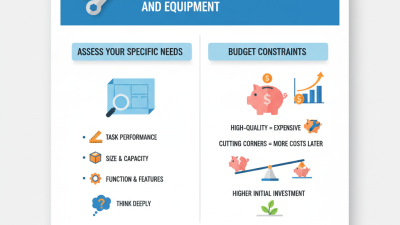
Choosing the best machinery and equipment suppliers in 2026 depends on what a business needs to produce, move, or maintain. A small workshop may value compact machines and fast parts delivery. A large plant may prioritize uptime, integration, and service coverage. There is no universal winner.
This guide examines suppliers through practical criteria: product range, build quality, customization, pricing transparency, warranty terms, and after-sales support. It also considers details buyers encounter on the floor: whether replacement components are available, how quickly technicians respond, and whether equipment fits existing power, space, and workflow requirements. Strong specifications matter. So does the service behind them.
Supplier rankings can be useful, but they are not a substitute for checking a particular model against a real application. Product lines change, regional support varies, and advertised performance may not match every operating environment. That uncertainty deserves attention. Buyers should verify current specifications, request written service terms, and compare total ownership costs—not just the purchase price. This overview offers a starting point for informed research, rather than a guarantee that one supplier will suit every operation.
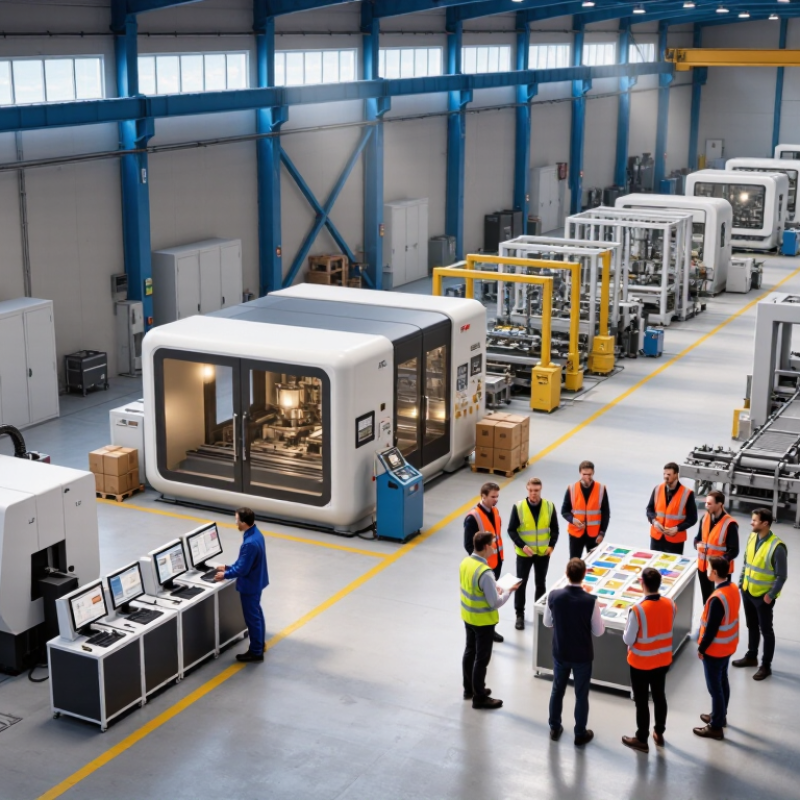
Machinery and equipment suppliers provide more than machines. They help buyers match equipment to production targets, materials, floor space, and available utilities. Their offerings may include production machines, pumps, compressors, conveyors, inspection tools, and replacement parts. A capable supplier asks how much a line must produce each shift, rather than simply recommending a model. Small details matter. A machine requiring compressed air or a reinforced floor can disrupt a project if those needs surface late.
Services may cover site assessments, equipment selection, installation, operator training, maintenance, and spare-parts planning. Some suppliers also provide layout drawings and help connect new equipment with existing production lines. Ask what training includes: a brief demonstration is not always enough for a complex machine. Check expected service response times, parts availability, warranty terms, and maintenance schedules before ordering. Fit comes first.
Supplier capabilities vary, so buyers should verify performance claims with references, documented specifications, and, where practical, a test run using their own materials. A polished brochure is not proof of reliable output. Even a careful quotation can overlook installation costs or downtime during changeover. Compare the full operating requirements, not only the purchase price, and leave room for questions that the first meeting may not answer.
Compare suppliers using evidence across these six practical due-diligence areas. Each bar marks one area to assess; this is a checklist, not a market survey or supplier ranking.
Request relevant documentation and compare suppliers against the same criteria, including equipment suitability, safety compliance, warranty terms, spare-parts support, maintenance services, and delivery arrangements.
In 2026, machinery suppliers should be judged by evidence, not polished sales claims. Compare rated output with a witnessed acceptance test, checking cycle time, tolerance, noise, and energy use under realistic loads. Ask for written lead times, spare-parts availability, and service response targets. A low quote can become expensive if a critical sensor takes weeks to replace. Small details matter.
Tips: Share your actual materials, shift pattern, and operating temperature before requesting a proposal. Ask who handles commissioning and training, and request a sample maintenance schedule. Keep key answers in writing. Nice brochures fade.
A sound evaluation also considers integration: controls documentation, data export, safety interlocks, and compatibility with existing equipment. Check whether performance figures include setup and changeover time. Speak with users in comparable operations, while remembering their workloads may differ from yours. Supplier rankings can help build a shortlist, but they are imperfect. Even a careful review cannot predict every breakdown or delivery delay.
Leading Equipment Suppliers Across Major Industries
The strongest equipment suppliers are not universal winners. They match machinery to a plant’s materials, operating hours, and maintenance capacity. A packaging line needs reliable changeovers and cleanable surfaces. A construction fleet needs durable components and nearby service. For buyers, compare documented performance, spare-parts availability, operator training, and total ownership costs—not just purchase price.
Industry data shows why supplier capability matters. The International Federation of Robotics reported:
541,302 industrial robots installed worldwide in 2023, with more than 4.28 million operating globally.
In energy, the International Energy Agency reported that renewable power capacity additions reached 473 gigawatts in 2023, led largely by solar.
That scale raises practical questions about integration, repairs, and technical support. Suppliers serving these projects must coordinate equipment delivery with installation schedules and site conditions.
Ask for references from similar operating environments, maintenance intervals, and realistic delivery estimates. Check whether service technicians can reach your site quickly. Small details count. A delayed motor or an unavailable seal can stop an entire line. Reports offer useful context, but they cannot confirm how a supplier performs at your facility. Pilot testing is valuable, though it can expose flaws in your own specifications, too.
When comparing machinery and equipment suppliers, product range matters only when it fits your actual operating needs. The International Federation of Robotics reported 541,302 industrial robots installed worldwide in 2023, a 10% annual increase. That growth makes integration support and compatible components more relevant. But a larger catalogue is not automatically better. Check whether the supplier can provide the machine, tooling, replacement parts, and clear technical documentation for your specific line.
Service can separate two similar quotes. Ask about technician response times, commissioning, operator training, parts availability, and remote diagnostics. Deloitte’s 2023 Smart Manufacturing Survey found that 86% of surveyed manufacturers expect smart manufacturing to be a primary driver of competitiveness within five years. That makes digital support worth examining, not simply accepting as a sales claim. Request examples of diagnostic coverage and escalation procedures. Small details matter.
Compare suppliers using the same practical checklist. For instance, ask how long a common wear part takes to arrive and who handles a fault during a night shift. Review warranty exclusions and service fees before comparing purchase prices. A low initial quote can become expensive when support is distant or parts are slow. Still, no supplier can guarantee zero downtime; your own maintenance team and operating conditions affect results. A broad range helps only when service matches the equipment you will actually run.
| Supplier Type | Typical Product Range | Common Service Options | Key Advantages | Points to Check | Best Suited For |
|---|---|---|---|---|---|
| Broad-line industrial distributor | Tools, power transmission components, pumps, material-handling equipment, safety products, and maintenance supplies | Product selection support, parts sourcing, delivery, and coordination of repairs or maintenance through service partners | Convenient sourcing across multiple equipment categories and the potential to consolidate purchasing | Confirm technical expertise, local stock availability, and whether installation or repair is performed directly or by a partner | Businesses purchasing a varied mix of industrial equipment and supplies |
| Equipment manufacturer or authorized dealer | Machinery within a particular product line, such as construction, agricultural, processing, or manufacturing equipment | Equipment configuration, commissioning, operator training, warranty support, maintenance, and replacement parts may be available | Product-specific knowledge and access to equipment documentation and compatible parts | Compare the service territory, response times, warranty terms, parts availability, and total cost of ownership | Buyers needing specialized machinery and ongoing support for a defined equipment family |
| Specialist machinery dealer | A focused selection of equipment for a particular application, such as machine tools, packaging, food processing, or lifting | Application advice, equipment demonstrations, installation coordination, maintenance, and technical troubleshooting may be offered | Deeper application knowledge than a general supplier may provide | Check the range of supported models, technician qualifications, and access to parts for older equipment | Operations with specialized production requirements or technical selection needs |
| Equipment rental and leasing provider | Short- or long-term access to machinery such as earthmoving equipment, forklifts, lifts, compressors, and temporary power equipment | Delivery and collection, routine maintenance, replacement equipment, and rental-period support may be included | Can reduce the need for an upfront purchase and suit temporary or variable demand | Review rental rates, transport costs, equipment condition, insurance requirements, and availability during peak periods | Projects, seasonal work, trials, or businesses with changing equipment needs |
| Used-equipment dealer or reseller | Pre-owned machinery across categories such as construction, agriculture, material handling, and manufacturing | Condition reports, inspections, refurbishment, parts support, and limited warranty coverage may be available | Offers another purchasing route when new equipment is not required or is outside the budget | Verify service history, operating hours, inspection details, ownership documentation, and warranty exclusions | Buyers seeking pre-owned equipment and able to assess condition and remaining service life |
| Online industrial marketplace | Listings for new, used, and surplus machinery from multiple independent sellers | Search tools, seller messaging, and transaction or inspection support vary by platform | Enables broad comparison of listings, specifications, and asking prices in one place | Check seller credentials, listing accuracy, inspection arrangements, payment safeguards, and shipping responsibilities | Experienced buyers comparing equipment from multiple locations or sellers |
Selecting a supplier starts with the work your equipment must perform, not a glossy catalogue. Define required output, materials, operating hours, site conditions, and acceptable downtime. The International Energy Agency’s Energy Efficiency 2023 report estimates that industry accounts for about 37% of global final energy consumption. That makes energy use a practical comparison point, alongside purchase price. Ask suppliers for documented consumption figures under operating conditions similar to yours.
Check the full service package before comparing quotes. The U.S. Department of Energy’s motor-system sourcebook reports that motor-driven systems use more than half of U.S. manufacturing electricity. For relevant equipment, request efficiency data, maintenance intervals, spare-parts availability, and service response times. Ask who will install and commission the machinery, and what operator training includes. Paper promises are cheap. Request references from facilities with comparable workloads, then verify them with specific questions about delays and repair support.
A useful supplier scorecard can weigh performance, lifecycle cost, delivery reliability, safety features, and technical support. Get acceptance criteria in writing, such as throughput, product tolerances, and a defined test period. Check whether replacement parts are stocked locally or shipped from far away. Small details matter. No supplier will fit every situation, and a neat scoring sheet can still miss awkward realities like cramped access or seasonal demand. Walk the installation area with the supplier before signing.