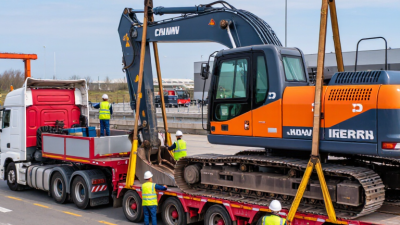
Choosing the 2026 best moving companies heavy equipment requires more than comparing hourly rates. A 20-ton excavator, CNC machine, or industrial generator demands careful planning, suitable trailers, experienced crews, and reliable communication. One missed measurement can create delays, extra crane charges, or dangerous loading conditions.
John D. Schulz, a veteran transportation journalist and logistics analyst, offers a useful warning: “Heavy equipment moves are won or lost before the truck arrives.” That principle guides this review. The strongest providers should explain route planning, equipment requirements, insurance limits, permits, loading methods, and delivery timelines before accepting the job. Clear answers matter.
Look closely at practical experience. Can the company handle oversized dimensions? Does it provide lowboy trailers, forklifts, cranes, or specialized rigging through qualified partners? Are pickup photos, weight certificates, and site conditions reviewed in advance? These details separate a polished quote from a dependable moving plan.
The evaluation is not perfectly simple. Some companies advertise nationwide service but outsource critical portions of the move. Others offer attractive prices while excluding escorts, stairs, storage, or difficult access. That is easy to miss.
This guide compares heavy-equipment movers through an experience-based lens. It considers communication, technical knowledge, transparent pricing, safety procedures, customer feedback, and operational reliability. Readers should still verify current credentials, coverage, and contract terms directly. Conditions change. Equipment changes too. The best choice depends on the machine, location, access, timing, and acceptable risk.
Moving heavy equipment requires more than a large truck and strong straps. A suitable company understands weight distribution, lifting points, clearance limits, and floor capacity. Its crew should inspect the machine before quoting the move. They should record dimensions, center of gravity, fluid leaks, and fragile components. A detailed site survey can reveal narrow gates, soft ground, low beams, or weak loading areas.
Look for trained riggers, qualified drivers, and documented safety procedures. The company should explain its lifting equipment, transport method, insurance coverage, and emergency plan in plain language. It should also coordinate permits, escorts, loading windows, and delivery access when required. Reliable movers provide written estimates with labor, equipment, waiting time, and possible site complications clearly separated.
Ask for relevant project references, not only general household moving reviews. A serious provider can describe how it handled cranes, generators, industrial presses, or oversized machinery. Communication matters during every handoff. One missed measurement can delay an entire site.
No plan is flawless. I would question any company promising a fixed price without seeing the equipment or route. Photos help, but they cannot replace an in-person inspection. The best choice may not be the cheapest quote. It is the team that notices small risks, admits uncertainty, and explains how it will control them.
Choosing a heavy equipment mover requires more than comparing hourly rates. Start by checking experience with your machine type, weight, dimensions, and center of gravity. A skilled crew should explain loading points, route restrictions, escort needs, and weather controls in plain language. Ask for recent project examples. Specific details matter, such as using timber mats on soft ground or protecting hydraulic lines during loading.
Safety records deserve careful review. The Federal Motor Carrier Safety Administration’s 2024 pocket guide emphasizes vehicle maintenance, driver qualifications, and hours-of-service compliance. Request the mover’s operating authority, insurance certificates, inspection history, and written damage procedures. The Occupational Safety and Health Administration reports that struck-by and caught-in hazards remain major workplace risks. Therefore, insist on a documented lift plan, certified rigging, spotters, and exclusion zones. Do not accept “we do this every day” as proof.
Cost estimates should include permits, cranes, escorts, storage, fuel, and possible route changes. The American Transportation Research Institute has repeatedly identified fuel and driver costs as major transportation pressures. A suspiciously low quote may hide essential services. I would also inspect communication quality before signing. Can the dispatcher explain who approves delays? Are photos taken before and after delivery? Even experienced movers make mistakes. A missing measurement or unclear pickup surface can create expensive surprises. Evaluate their planning discipline, not just their confidence.
Moving heavy equipment requires more than a large truck. Specialized machinery moves need careful planning, trained crews, and the right lifting tools. A qualified moving company should inspect the machine, route, loading area, and final placement before quoting the job.
The required equipment depends on weight, dimensions, and balance. Hydraulic platform trailers help distribute heavy loads across multiple axles. Mobile cranes may lift presses, generators, or production units through restricted spaces. Rigging crews often use certified slings, spreader bars, jacks, skates, and steel plates. These tools protect floors and reduce shifting during loading.
Details matter.
A reliable team records the machine’s center of gravity, lifting points, height, and approximate weight. They also check doorway widths, overhead cables, turning areas, and ground strength. Local permits, traffic controls, insurance, and equipment inspections should be confirmed before movement begins. Ask for written procedures and proof of operator training.
Even experienced planners can miss a small obstruction. A low beam or weak floor can stop an otherwise sound plan. One useful improvement is a physical route walk, not only a digital measurement. Photos, marked clearances, and a backup unloading method make decisions more dependable. The cheapest quote may exclude rigging, storage, escorts, or surface protection. Those omissions can create costly changes on moving day.
Services and equipment required for specialized machinery moves
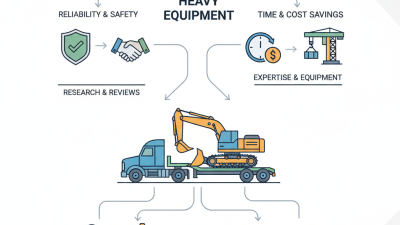
Specialized machinery moves commonly require route surveys, permitting, rigging, loading and unloading plans, escort coordination, and cargo insurance. The chart shows representative rated capacities in metric tons for commonly used equipment. Actual capacity depends on the equipment model, configuration, road conditions, lift radius, and local regulations.
Moving heavy equipment is not ordinary freight work. A qualified company should inspect the machine, lifting points, weight, dimensions, and center of gravity before quoting.
Ask for written evidence of licensing and operating authority. Requirements vary by location, equipment type, and transport method. Confirm permits, route surveys, escort needs, and axle-weight limits before loading. A careful carrier should explain who handles each approval. Vague answers are a warning.
Safety planning should include trained operators, certified rigging gear, load-securing procedures, and weather limits. Request a job-specific method statement, not a generic checklist. On site, inspect chains, straps, blocking, ramps, and trailer capacity. Small failures can become expensive quickly.
Insurance deserves equal attention. Check general liability, motor truck cargo coverage, workers’ compensation, and equipment-in-transit limits. Request current certificates directly from the insurer or authorized agent. Confirm that the policy covers loading, unloading, storage, and subcontracted work. A certificate alone may not show every exclusion.
Ask whether subcontractors will participate. Their licenses and insurance should receive the same review. Keep photographs, inspection records, delivery documents, and damage notes. These records support accountability if conditions change.
I have found that the cheapest quote often omits planning details. That does not always mean poor service, but it deserves questions. Even experienced teams can miss changing road restrictions or unclear site access. Recheck critical facts before dispatch. Safety is never finished at the paperwork stage.
| Evaluation Dimension | What a Qualified Heavy-Equipment Mover Should Demonstrate | 2026 Verification Standard | Why It Matters | Assessment |
|---|---|---|---|---|
| Interstate Operating Authority | A current USDOT number and, where required for interstate for-hire transportation, active motor-carrier operating authority. | Check the carrier’s public FMCSA record, operating status, authority type, and cargo classification before contracting. | Confirms that the carrier is legally authorized to perform the proposed interstate transportation service. | Required |
| Safety Record | Documented inspection, maintenance, driver-qualification, crash-reporting, and corrective-action procedures. | Review available FMCSA safety information, inspection history, out-of-service trends, and any enforcement or consent orders. | Heavy loads increase braking, rollover, tie-down, loading, and route-risk exposure. | High Priority |
| Load Securement | A written securement plan using properly rated tiedowns, blocking, bracing, edge protection, and equipment-specific procedures. | Confirm compliance with 49 CFR Part 393, Subpart I, including the applicable requirements in sections 393.100–393.136. | Improperly secured machinery can shift, fall, damage roads, or cause severe collisions. | Required |
| Weight and Dimension Planning | Pre-trip verification of equipment weight, axle distribution, trailer capacity, width, height, length, and ground clearance. | Require a written route survey and confirmation of all state-specific oversize or overweight permits before dispatch. | Prevents bridge, clearance, axle-load, roadway, and permit violations. | Required |
| Insurance Coverage | Current certificates of insurance covering commercial auto liability, cargo, and general liability, with limits appropriate to the shipment. | Independently verify certificates with the insurer and compare exclusions, deductibles, valuation terms, and named insured details. | Minimum legal limits may not adequately protect high-value machinery or specialized lifting operations. | Verify Directly |
| Federal Liability Baseline | Evidence that the carrier meets the applicable federal financial-responsibility requirement for its operation and commodity. | For many for-hire, non-hazardous property carriers operating interstate, the federal public-liability minimum is commonly $750,000; requirements vary by operation and cargo. | Provides a regulatory baseline, not a guarantee that the full value of the equipment is insured. | Jurisdiction-Specific |
| Cargo Protection and Valuation | Clear terms for cargo coverage, exclusions, declared value, consequential loss, loading damage, storage, and claims deadlines. | Obtain the complete cargo policy or applicable terms rather than relying only on a certificate of insurance. | Machinery may have high replacement costs, difficult depreciation calculations, and specialized repair requirements. | Verify Directly |
| Driver Qualifications | Drivers properly licensed for the vehicle combination and trained in heavy-haul operations, securement, loading, and defensive driving. | Confirm the required commercial driver’s license class, endorsements, medical qualification, drug-and-alcohol compliance, and training records. | Qualified drivers reduce the risk created by unusual dimensions, limited visibility, and high center-of-gravity loads. | Required |
| Hours of Service and ELD | Dispatch procedures that account for applicable hours-of-service limits, rest requirements, and electronic logging obligations. | Review the carrier’s compliance process under 49 CFR Part 395 and ask how delays, parking, and permit windows are managed. | Fatigue and unrealistic delivery schedules are major operational and safety risks. | Required |
| Vehicle and Trailer Maintenance | Preventive-maintenance records for tractors, trailers, ramps, winches, chains, binders, tires, brakes, lights, and hydraulic systems. | Request inspection and maintenance documentation consistent with 49 CFR Part 396 and the equipment manufacturer’s requirements. | Mechanical failures during loading or transit can result in injury, cargo loss, and extended downtime. | High Priority |
| Loading and Unloading Controls | A documented method statement covering site access, ramp angle, lifting points, spotters, exclusion zones, pedestrian control, and emergency response. | Verify that the plan addresses applicable OSHA requirements and uses competent personnel for cranes, forklifts, rigging, and blocking. | Most heavy-equipment incidents occur during handling, positioning, loading, or unloading rather than steady-state transit. | High Priority |
| Permits and Route Compliance | Management of oversize, overweight, superload, escort, curfew, travel-time, and local access requirements. | Request copies of permits, approved routes, escort arrangements, and contingency plans for weather or road restrictions. | Permit violations can cause fines, impoundment, delivery failure, or forced unloading. | Required |
| Registration and Fuel-Tax Compliance | Proper registration for qualifying interstate vehicles and documented fuel-tax reporting where applicable. | Confirm applicable International Registration Plan and International Fuel Tax Agreement credentials for the vehicle and operating territory. | Incorrect credentials can delay a shipment and expose the carrier and customer to penalties. | Jurisdiction-Specific |
| Subcontractor Controls | Written procedures for vetting brokers, owner-operators, crane providers, escorts, storage facilities, and final-mile partners. | Require the actual transporting carrier’s authority, insurance, safety record, and equipment details—not only those of the contracting intermediary. | Compliance and insurance gaps often arise when transportation is reassigned without adequate disclosure. | High Priority |
| Condition Documentation | Photographs, serial numbers, operating-hour records, inspection checklists, and signed condition reports before and after transport. | Use time-stamped records that identify existing damage, detachable components, fluids, keys, accessories, and attachment points. | Creates reliable evidence for claims, handover disputes, and warranty or repair decisions. | Recommended |
| Emergency and Incident Response | A 24-hour escalation process for collisions, cargo shifts, breakdowns, spills, permit issues, weather, and road closures. | Request written contact procedures, incident-notification timelines, recovery resources, and claims instructions. | Fast escalation can limit equipment damage, project delays, environmental exposure, and secondary accidents. | Recommended |
| Transparent Pricing | A written quote separating transportation, permits, escorts, loading, unloading, storage, tolls, waiting time, fuel adjustments, and accessorial charges. | Compare the scope of service and exclusions, not only the headline price; confirm whether the quotation is binding or subject to adjustment. | The lowest initial price may exclude essential safety, permit, handling, or insurance costs. | Verify Directly |
| Best Overall Selection Profile | A provider with active authority, a verifiable safety program, suitable insurance, experienced personnel, compliant equipment, and clear documentation. | Choose only after validating records and shipment-specific capabilities for the exact weight, dimensions, origin, destination, and handling requirements. | “Best” should be determined by documented risk control and shipment fit rather than marketing claims or price alone. | Preferred Profile |
Note: Regulatory requirements vary by shipment type, vehicle configuration, commodity, and jurisdiction. Verify current federal, state, provincial, and local requirements before booking a 2026 heavy-equipment move.
Moving heavy equipment costs more than distance alone suggests. Weight, height, width, loading method, and route restrictions all affect the estimate. Ask each mover for a written quote with identical equipment details. Get three written quotes. A serious estimate should separate transportation, loading, unloading, permits, escorts, insurance, and possible storage. Vague pricing often creates expensive surprises.
Compare the mover’s experience with your machine type. Excavators, cranes, generators, and industrial presses need different handling plans. Request proof of relevant training, insurance coverage, inspection procedures, and recent project references. Details change everything. Ask who supplies the crane, who checks tie-downs, and who manages route clearance. Confirm whether the price includes waiting time at the pickup site. That charge can grow quickly when a loading area is unprepared.
The lowest quote may not be the safest value. Review delivery schedules, equipment condition reports, communication practices, and damage-claim procedures. A professional mover should explain risks without hiding behind technical language. Check the route personally when possible. Low bridges, narrow gates, soft ground, and steep ramps can change the plan. Even careful estimates can miss weather delays or site problems. That is where honest communication matters more than polished promises. A practical contract should record dimensions, responsibilities, delivery windows, payment stages, and cancellation terms.