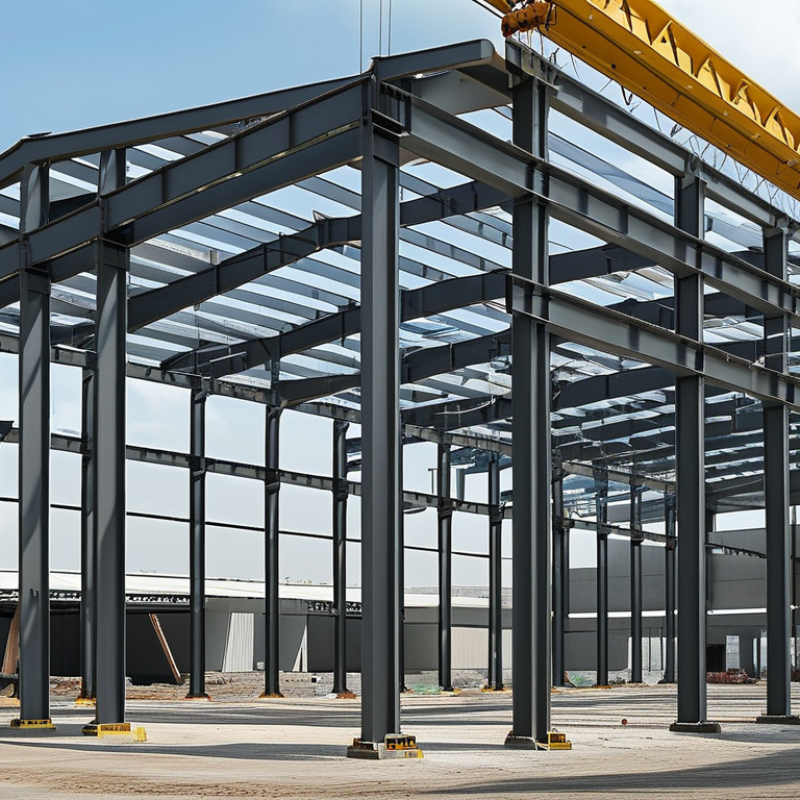
Top 10 Steel Structure Components for Global Buyers?
In today's global market, the demand for high-quality Steel Structure Components is ever-increasing. With construction and infrastructure projects booming, buyers seek reliable solutions. Steel structures offer durability and strength essential for modern buildings.
The top components include beams, columns, and trusses. Each plays a vital role in ensuring structural integrity. Understanding their properties can enhance decision-making for engineers and architects. However, not all components are created equal, and quality can vary widely across suppliers.
It’s essential for buyers to evaluate options carefully. They must consider factors like material sourcing and manufacturing processes. This diligence can prevent costly mistakes. In a field where reliability is paramount, informed choices matter significantly.
Essential Characteristics of Steel Structure Components
Steel structure components play a crucial role in modern construction. They are essential for the stability and integrity of buildings. Understanding their characteristics can help buyers make informed decisions. Quality materials, such as high-strength steel, offer durability. Corrosion resistance is vital for longevity, especially in harsh environments. Each component must meet specific engineering standards. This ensures safety and reliability across various applications.
Design versatility is another key feature of steel components. They can be tailored to fit different architectural styles. Prefabrication allows for quicker assembly on-site. However, not every design maximizes structural efficiency. It’s crucial to balance aesthetics with functionality. The assembly process can also be complex, raising potential challenges. These factors should be carefully considered.
Sustainability is becoming increasingly significant in material choice. Steel can be recycled, contributing to eco-friendly construction. However, reliance on steel production can impact the environment. It is essential to evaluate sourcing practices. Ultimately, the selection of steel structure components should reflect a commitment to quality, safety, and sustainability. Careful examination of these elements will benefit global buyers.
Key Types of Steel Elements Used in Construction
When it comes to steel structures, several key components are crucial for construction. One significant element is the steel beam. These beams support weight and provide stability. Their strength ensures the integrity of any building. In addition, steel columns play an essential role. They bear vertical loads and are often designed for various loads. Properly engineered columns are vital for earthquake resistance.
Another important component is steel trusses. These triangular structures distribute loads efficiently. They are often used in roofs and large spans. The use of trusses reduces material use. However, the connections must be executed carefully to prevent failure.
Steel plates and angles are also fundamental. They are often used for brackets, supports, and connections. Their versatility makes them indispensable in various designs. Yet, ensuring the quality of these elements requires expert oversight. Understanding the specific needs of each project is essential. Not every application needs the same type of steel, so custom solutions are often necessary.
Top 10 Steel Structure Components for Global Buyers
This bar chart illustrates the key types of steel elements commonly used in construction globally. The data highlights the popularity of each component based on their average usage in construction projects.
Factors Influencing Global Demand for Steel Components
Global demand for steel components is influenced by multiple factors. Economic growth plays a significant role. As countries develop, construction projects rise. Urbanization drives the need for residential and commercial buildings. This trend creates a higher need for reliable steel structures.
Infrastructure projects also impact demand. Governments invest in roads, bridges, and railways. These projects require sturdy components for safety and durability. Additionally, renewable energy initiatives boost demand. Wind and solar energy systems often rely on steel structures for support.
However, the steel industry faces challenges. Environmental regulations influence production methods. Consumers are increasingly focused on sustainable practices. This shift requires companies to adapt or risk losing market share. Companies must prioritize innovation. As global needs evolve, so should the steel industry.
Sourcing and Procurement Strategies for Steel Buyers
In the global steel market, effective sourcing strategies are essential for buyers seeking high-quality components. Understanding your specific needs is foundational. Whether you're looking for beams, columns, or panels, clarity on specifications and standards is crucial. Engage with multiple suppliers to create competition and drive better prices.
Tips: Always verify the credentials of suppliers. Look for certifications. A reliable vendor can provide consistent quality.
When negotiating, be transparent about your budget and timelines. This fosters trust and encourages better terms. Consider bulk purchasing to leverage discounts. However, avoid overcommitting—this can lead to excess inventory and increased holding costs.
Tips: Keep communication open. Regular updates can prevent misunderstandings.
In the steel procurement landscape, staying informed is key. Attend trade shows and exhibitions to connect with industry professionals. This proactive approach can uncover new suppliers and innovative products. Analyze market trends to anticipate fluctuations in pricing. Being proactive often leads to cost savings.
Tips: Maintain an adaptable strategy. Changes in the market can happen quickly.
Future Trends in Steel Structure Component Manufacturing
The manufacturing of steel structure components is evolving rapidly. Innovations drive improvement in efficiency and sustainability. Key trends are emerging as manufacturers adapt to market demands.
One significant trend is the shift towards modular construction. This method simplifies assembly and reduces waste. It allows for quicker project completions without sacrificing quality. Some manufacturers are still grappling with the challenges of standardization. Streamlining production processes remains a goal.
Another trend is the use of advanced technologies. Techniques like 3D printing and AI optimize designs. Enhanced precision leads to stronger and lighter components. However, not all companies have embraced these technologies fully. The learning curve can be steep, and investment costs are high.
Tips: Focus on continuous improvement. Investing in training can enhance workforce skills. Collaborating across sectors can provide new insights. Embrace flexibility in operations to adapt to evolving trends. This agile mindset can foster resilience in the market.
Top 10 Steel Structure Components for Global Buyers
| Component | Material Type | Typical Applications | Market Demand (2023) |
| Steel Beams | Carbon Steel | Commercial Buildings, Bridges | High |
| Steel Columns | Alloy Steel | Industrial Structures | Medium |
| Steel Trusses | Mild Steel | Roof Structures, Bridges | High |
| Steel Decking | Galvanized Steel | Flooring Systems | High |
| Steel Rods | Stainless Steel | Construction, Manufacturing | Medium |
| Steel Plates | Carbon Steel | Structural Applications | High |
| Steel Joists | Mild Steel | Flooring and Roof Support | Medium |
| Steel Frames | Structural Steel | Building Frameworks | Very High |
| Steel Fasteners | Alloy Steel | Bolting Structures | Medium |
| Steel Fittings | Stainless Steel | Pipelines, Frameworks | Low |