Top 10 Large Construction Equipment You Need to Know?
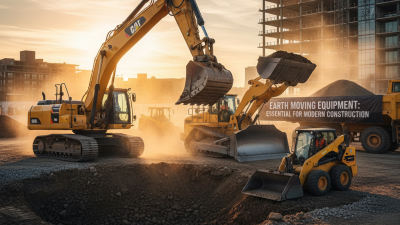
In the world of construction, large construction equipment plays a vital role. These powerful machines enhance efficiency and productivity on job sites. From towering cranes to robust excavators, understanding these tools is essential for anyone in the industry.
Large construction equipment is not just about size; it's about capability. Each piece serves a unique purpose, and knowing them can improve project outcomes. For example, bulldozers level the ground, while backhoes dig deep into the earth. However, with such power comes responsibility. Operators must be trained and cautious to prevent accidents.
Despite their advantages, challenges exist. Maintenance and repair can be costly and time-consuming. Operators must remain vigilant to ensure safety and efficiency. By exploring the top 10 large construction equipment pieces, you can become more informed and capable in this dynamic field.
Essential Heavy Machinery Used in Large-Scale Construction Projects
In large-scale construction projects, heavy machinery plays a pivotal role. This equipment helps streamline work, enhance efficiency, and ensure safety.
Bulldozers, for instance, are crucial for site preparation. They push large volumes of earth and debris, making space for new structures. However, they demand skilled operators to avoid accidents and mistakes. A simple miscalculation can delay the entire project.
Excavators are another essential piece of machinery. They dig deep foundations and trenches. Their versatility is unmatched. Despite their size, operators need to be aware of their surroundings. Tight spaces can pose significant challenges. Safety should never be compromised. Moreover, misjudgments can lead to costly errors.
Crane operations are frequently observed on construction sites. They lift heavy materials to heights unreachable by other machines. Proper training is vital for crane operators. The risk of falling loads is real, highlighting the need for caution. Understanding weight limits and site conditions is crucial. Each equipment choice impacts project success, underlining the importance of careful planning and execution.
Overview of Excavators: Types and Key Features
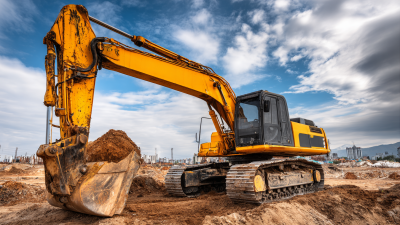
Excavators are vital in construction. They dig, lift, and move materials. Understanding their types and features helps in selecting the right machine.
There are several types of excavators. Crawler excavators are stable on rough terrain. Their tracks give them excellent traction. Wheel excavators are more mobile, ideal for urban areas. They maneuver easily around tight spaces. Mini-excavators are compact and versatile. They operate well in confined areas but may lack power.
Key features vary by type. Boom length affects digging depth. Bucket capacity determines how much material can be moved. Hydraulic systems enhance efficiency. Operators must consider their needs carefully. Choosing the wrong type could lead to inefficiencies. It may cause delays and increased costs. The right excavator can improve productivity significantly, but mistakes can be costly.
Top 10 Large Construction Equipment You Need to Know - Overview of Excavators: Types and Key Features
| Excavator Type |
Operating Weight |
Engine Power |
Bucket Capacity |
Key Features |
| Mini Excavator |
2,000 - 6,000 lbs |
Less than 50 HP |
0.1 - 0.25 cubic yards |
Compact Size, Great for Small Jobs |
| Standard Excavator |
15,000 - 40,000 lbs |
50 - 150 HP |
0.3 - 1.5 cubic yards |
Versatile for Various Excavating Tasks |
| Large Excavator |
40,000 - 100,000 lbs |
150 - 500 HP |
1.5 - 5.5 cubic yards |
Designed for Heavy-Duty Work |
| Crawler Excavator |
20,000 - 100,000 lbs |
100 - 500 HP |
0.6 - 6 cubic yards |
Excellent Stability and Traction |
| Wheeled Excavator |
15,000 - 50,000 lbs |
100 - 200 HP |
0.3 - 1.5 cubic yards |
Enhanced Mobility for Urban Settings |
Understanding Bulldozers: Functions and Variants
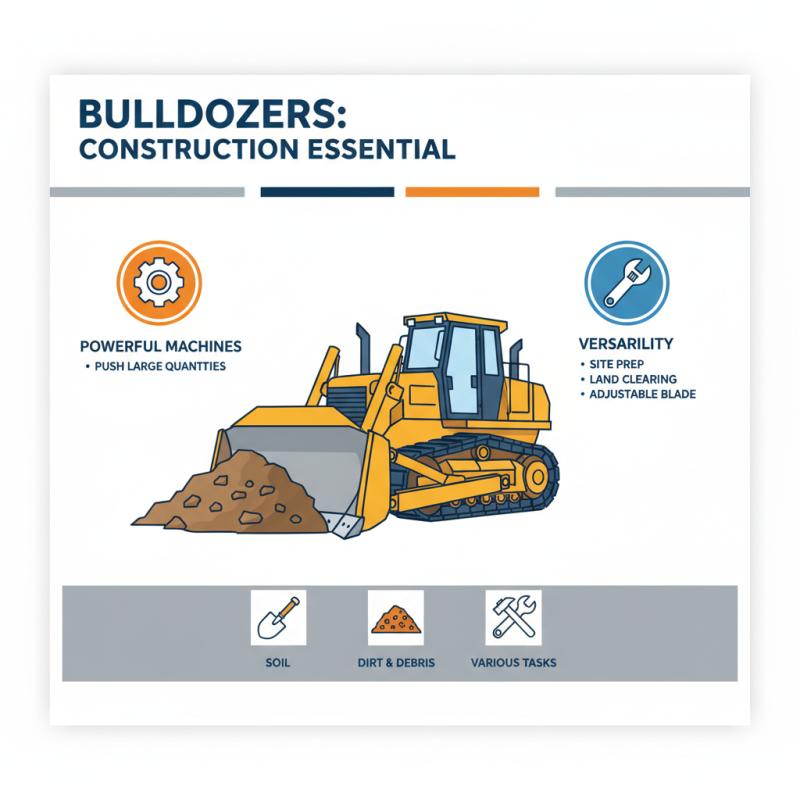
Bulldozers are essential in large construction projects. They are powerful machines, known for their wide blades. These blades can push large quantities of soil, dirt, and debris. This makes them crucial for site preparation and land clearing. Operators can adjust the blade’s angle and height to suit various tasks. Their versatility is one reason they are so valuable.
There are several types of bulldozers. Crawler bulldozers are the most common. They move on tracks, making them stable on uneven terrain. Wheeled bulldozers, on the other hand, offer better mobility on paved surfaces. Specialty bulldozers exist as well, designed for specific tasks like forest clearing or mining. Each type has its strengths and limitations.
Operating a bulldozer requires skill and attention. It’s not just about pushing dirt; precision matters. An inexperienced operator might damage the machine or the worksite. Additionally, understanding the terrain can be challenging. Some sites present unexpected obstacles. A bulldozer's power must be matched with careful handling to prevent accidents and ensure efficiency.
Importance of Cranes in Construction: Types and Applications
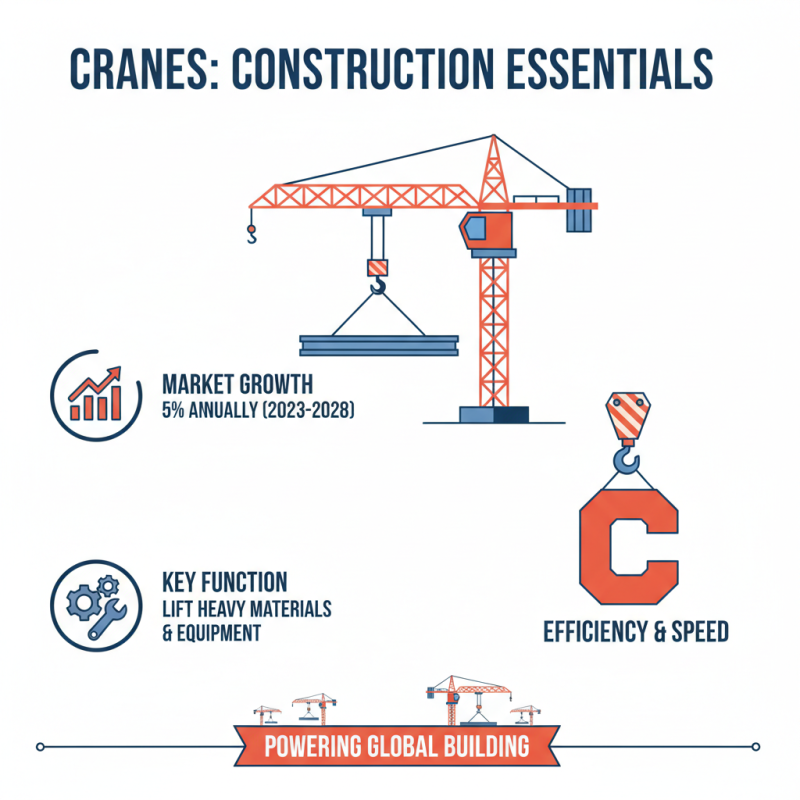
Cranes play a vital role in construction projects. They lift heavy materials and equipment, enabling workers to complete tasks efficiently. According to a report from the International Construction Market Survey, the crane market is expected to grow by 5% annually over the next five years. This growth highlights their critical importance.
There are various types of cranes used for different applications. Tower cranes are common on high-rise buildings, while mobile cranes provide flexibility on smaller sites. A study indicates that around 50% of construction projects use cranes. However, improper use can lead to accidents. In 2022, the Occupational Safety and Health Administration reported over 300 crane-related injuries in the U.S.
Understanding the specific needs of a project can guide crane selection. Choosing the right crane minimizes risks and enhances efficiency. However, many teams still overlook proper training and maintenance. This could lead to costly mistakes. As projects become more complex, the importance of cranes will only increase. Keeping abreast of advancements in crane technology is crucial for success.
Role of Dump Trucks in Material Transportation on Construction Sites
Dump trucks play a crucial role in construction sites, mainly for material transportation. These large vehicles are designed to carry heavy loads. They move sand, gravel, and soil efficiently from one place to another. This capability is essential for keeping projects on schedule. Without them, delays can occur and costs can rise.
However, not all operations run smoothly. Sometimes, dump trucks struggle with uneven terrain. Drivers must navigate obstacles, which can be challenging. Load distribution is also a concern. An improperly loaded truck can tip over or damage materials. Proper training for operators is vital to avoid accidents. Regular maintenance ensures these machines operate safely.
Weather conditions can further complicate matters. Rain or snow can make the ground slippery, leading to hazardous situations. Construction managers should plan for these variables. Anticipating challenges is key to maintaining efficiency. Even with the best equipment, construction sites are unpredictable. Adapting to these realities is part of the industry's daily rhythm.