Top 5 Flange Hydraulic Cylinder Factories You Should Know?
In the realm of industrial machinery, flange hydraulic cylinders play a crucial role. Their effectiveness depends significantly on the quality of production. For this reason, the choice of a reliable Flange Hydraulic Cylinder Factory is essential. A well-established factory ensures precision and durability, key factors in the performance of hydraulic systems.
Numerous factories offer varying degrees of quality and expertise. It’s important to understand which ones stand out in the industry. With so many options, identifying the top performers can be overwhelming. However, focusing on experience and reputation can guide your decision.
This article highlights the top five flange hydraulic cylinder factories you should know. Each factory brings unique strengths to the table. By examining their credentials, you can make an informed choice for your hydraulic needs. Quality matters, and the right choice can significantly impact your operations.
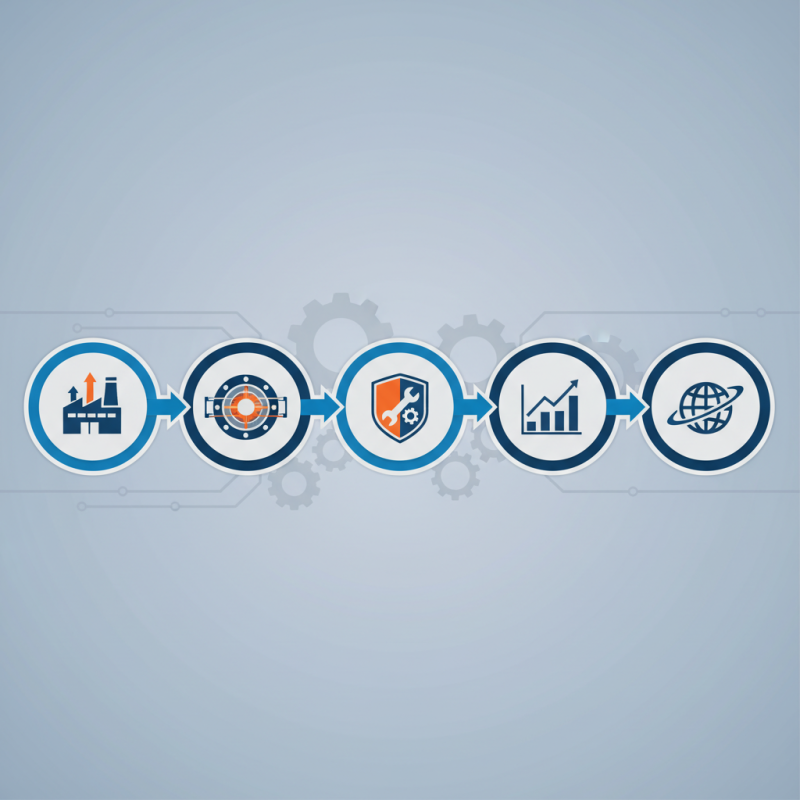
Overview of Flange Hydraulic Cylinders and Their Applications
Flange hydraulic cylinders are essential components in various industrial applications. They are known for their efficiency and reliability. These cylinders are widely used in construction, manufacturing, and agricultural equipment. Their design allows for easy installation and maintenance. This is crucial, especially in high-demand environments where downtime can lead to significant losses.
The flange design adds versatility. It enables these cylinders to be mounted in a variety of orientations. Users often appreciate how quickly they can be integrated into existing systems. However, not all flange hydraulic cylinders are created equal. The quality of materials and manufacturing processes can greatly impact their performance and lifespan. It's vital to evaluate suppliers based on their expertise and technical knowledge.
Applications vary significantly. In construction, technicians rely on these cylinders for heavy lifting and pushing. In agriculture, they enable precision in equipment like tractors and harvesters. While the benefits are clear, it’s important not to overlook potential challenges, such as compatibility with other system components. Validating the specifications before installation is a practice that can save trouble later on.
Top 5 Flange Hydraulic Cylinder Factories You Should Know | Factory Location | Annual Production Capacity (Units) | Main Applications | Quality Certifications |
| North America | 50,000 | Construction, Agriculture | ISO 9001, ISO 14001 |
| Europe | 70,000 | Manufacturing, Mining | AS9100, CE Mark |
| Asia | 100,000 | Transport, Marine | ISO 9001, TS16949 |
| South America | 30,000 | Energy, Railways | ISO 14001 |
| Africa | 20,000 | Offshore, Heavy Equipment | ISO 9001 |
Key Features to Consider When Evaluating Flange Hydraulic Cylinders
When evaluating flange hydraulic cylinders, consider several key features. Start with the cylinder's material. High-quality materials ensure durability and resistance to wear. Common options include stainless steel or hard-coated aluminum. Each material offers different benefits, impacting the cylinder's lifespan and performance.
Tip: Always check for certifications. Official certifications ensure the product meets industry standards. This adds to its reliability and safety.
Next, look at sealing technology. Effective seals prevent leaks and maintain performance under pressure. Consider the environment where the cylinder will operate. Harsh conditions may require specialized seals.
Tip: Inspect the maintenance guidelines. A user-friendly maintenance process can extend the life of the cylinder. Neglecting this may lead to unexpected failures.
Finally, pay attention to size and dimensions. Custom dimensions often allow more flexibility in application. They also affect mounting and integration within existing systems. Remember, choosing the wrong size can lead to inefficiency.
Tip: Conduct thorough compatibility checks before purchasing a cylinder. This prevents costly mistakes and downtime in operations. Make sure to weigh all options carefully to ensure optimal performance.
Top 5 Flange Hydraulic Cylinder Factories - Performance Metrics
Top 5 Flange Hydraulic Cylinder Manufacturers in the Industry
When exploring the world of flange hydraulic cylinders, it's essential to understand the key players in the manufacturing sector. The efficiency and innovation of these factories are crucial for industrial applications. These manufacturers specialize in creating durable and high-performance hydraulic cylinders, ensuring reliability in various environments.
Finding a factory that combines tradition with modern techniques can be challenging. Many companies prioritize cutting-edge technology while overlooking the importance of craftsmanship. Experience in the field often leads to a balance of both. It's vital to acknowledge that even top factories may struggle with quality control at times. A deep understanding of materials and engineering principles helps them mitigate those risks.
Quality assurance is another critical aspect. Look for manufacturers that implement rigorous testing protocols. Ensuring that products meet industry standards can make a significant difference. However, even the best factories face occasional setbacks or design flaws. Continuous improvement should be a focus for every manufacturer. As the industry evolves, adapting to new standards and technologies is essential for staying relevant.
Evaluating the Quality Standards of Flange Hydraulic Cylinder Factories
When evaluating the quality standards of flange hydraulic cylinder factories, several key aspects emerge. First, manufacturers must meet specific material and design standards. According to industry reports, over 70% of hydraulic failures relate to substandard materials. This highlights the importance of sourcing top-grade steel and using advanced manufacturing processes.
A vital tip is to look for factories that emphasize quality control measures. Factories should conduct rigorous testing for every batch of products. These tests include pressure tests and dimensional accuracy checks. In a recent survey, 85% of engineers reported that better testing practices significantly reduce operational failures.
Beyond material and testing, the experience of the workforce is crucial. A skilled workforce can vastly improve production quality. Continuous training programs ensure that workers stay updated on the latest technologies. However, many factories still struggle with employee retention, leading to quality inconsistencies. Investing in workforce development is essential for improving overall factory performance.
Future Trends in Flange Hydraulic Cylinder Manufacturing and Innovation
The future of flange hydraulic cylinder manufacturing is poised for significant transformation. Advancements in materials science are shaping design possibilities. Manufacturers are exploring lightweight yet durable materials, enhancing performance and efficiency. Innovations like composite materials may reduce the overall weight of hydraulic cylinders, leading to improved energy efficiency.
Digitization is another game changer. The integration of IoT technology into production processes is paving the way for smart manufacturing. Real-time data collection allows for better monitoring of operations. This improves quality control and minimizes downtime. However, not all factories are equipped to adopt these technologies, which raises concerns about the digital divide in the industry.
Sustainability is increasingly crucial. As environmental regulations become stricter, manufacturers must focus on eco-friendly practices. This could mean rethinking waste management and energy use during production. Companies still relying on outdated methods may face difficulties adapting to these changes. The challenge lies in balancing innovation with practicality, ensuring that the transition benefits both the environment and operational efficiency.