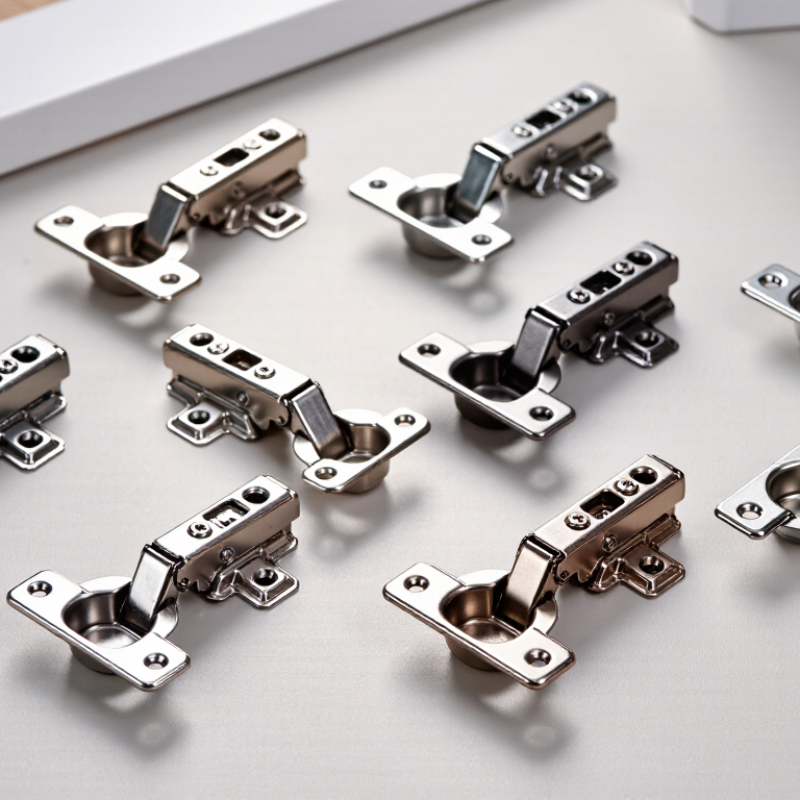
Selecting the right Door Cabinet Hinges is a practical engineering decision, not merely a hardware preference. A hinge controls alignment, opening force, door clearance, noise, and long-term cabinet performance. Global buyers also face different materials, installation methods, kitchen designs, and service expectations. Small components matter.
Market evidence supports this attention to detail. Grand View Research reports continued growth in the global furniture market, driven by residential construction, renovation, and demand for functional storage. The Freedonia Group has also identified cabinet hardware replacement and remodeling as important demand areas in mature markets. Meanwhile, the 2024 Houzz U.S. Kitchen Trends Study shows that homeowners continue investing in kitchen upgrades, including cabinet improvements. These reports do not measure every hinge shipment directly, but they reveal a broader purchasing environment.
This guide reviews ten Door Cabinet Hinges for international buyers. It considers overlay dimensions, cup diameter, opening angle, load capacity, corrosion resistance, soft-close behavior, and adjustment range. Manufacturing experience suggests that a smooth sample does not guarantee stable production. Batch consistency matters more. A hinge may feel excellent in a showroom, then loosen after repeated use. That risk deserves attention.
Buyers should also verify mounting plates, screw compatibility, packaging protection, testing records, and supplier communication. EN 15570 and related furniture-hardware testing practices can provide useful reference points, although requirements vary by application and market. No single hinge fits every cabinet. The best choice balances performance, price, availability, and after-sales support. It may not be the cheapest option. That is often the uncomfortable truth.
Cabinet hinges control movement, alignment, closing force, and long-term door stability. Mordor Intelligence’s 2024 cabinet hardware analysis estimates steady market growth through 2029, driven by renovation and modular furniture demand. That growth makes hinge selection more technical than it appears. Concealed hinges hide inside the cabinet. Overlay hinges suit doors covering the frame. Inset hinges keep doors flush with the cabinet face. Half-overlay hinges serve shared partitions. Face-frame hinges attach directly to front frames, while frameless hinges mount inside full cabinet boxes. Soft-close hinges reduce impact and noise. Self-closing hinges pull doors shut. Pivot hinges support wide or heavy doors. Glass-door hinges use clamps or specialized cups without drilling the glass.
Each type solves a different installation problem. A concealed hinge may offer three-way adjustment for height, depth, and side alignment. That small correction matters when cabinet gaps look uneven under bright kitchen lighting. Soft-close models usually depend on an integrated damper, but damping strength can vary with door weight and temperature. That is often overlooked. The National Kitchen & Bath Association’s kitchen design research continues to identify storage access and smooth operation as important user expectations. Buyers should check cup diameter, opening angle, overlay distance, load rating, corrosion resistance, and screw-hole accuracy. ISO 9227 salt-spray testing can help compare corrosion performance, although laboratory results do not perfectly reproduce humid homes. Mistakes happen. A hinge that fits the door may still fail the cabinet body.
When comparing the top 10 door cabinet hinges, global buyers should examine specifications before counting product features. Hinge type affects opening angle, overlay position, and installation method. Common options include concealed, full-overlay, half-overlay, inset, soft-close, clip-on, adjustable, heavy-duty, glass-door, and pivot hinges. Each suits a different cabinet structure.
Material matters in humid kitchens and commercial interiors. Stainless steel usually offers stronger corrosion resistance than basic plated steel, but coating quality still deserves inspection. Compare cup diameter, mounting-plate thickness, screw-hole spacing, and load capacity.
A 110-degree opening may work for standard doors, while wider angles improve access in corner cabinets. Check adjustment ranges too. Small tolerances can create visible gaps.
I have seen a hinge pass a catalog test but perform poorly after repeated door impacts. Real installation trials remain important.
Tips:
Request samples and technical drawings before bulk purchasing. Test at least 50,000 opening cycles when durability is critical. Confirm soft-close speed with the actual door weight, not a laboratory substitute. Review temperature, humidity, and salt-spray data for the destination market. Ask whether replacement screws and mounting plates are available. Measurements are easy to overlook. Do not rely on photographs alone. A cheaper hinge can become expensive when installers need repeated adjustments.
Cabinet hinges should match door movement, weight, and installation space. The ten useful choices include concealed three-way adjustable hinges, soft-close hinges, full-overlay hinges, half-overlay hinges, inset hinges, clip-on hinges, face-frame hinges, glass-door hinges, pivot hinges, and continuous piano hinges. Concealed hinges suit modern kitchens, while face-frame hinges fit traditional cabinet construction. Full-overlay models cover the cabinet sides. Inset versions keep doors flush with the frame. Glass-door hinges need careful pressure control around drilled glass holes.
Soft-close hinges reduce impact and noise in busy kitchens. Clip-on designs speed replacement during maintenance. Pivot hinges support tall pantry doors and unusual opening angles. Continuous hinges spread load across the entire door edge. They work well for narrow utility doors, but alignment can become demanding. A hinge may look perfect on paper and still feel wrong.
The 2024 Houzz U.S. Kitchen Trends Study reports that 76% of renovating homeowners upgraded cabinets. That figure highlights the importance of reliable hardware selection. Before ordering, measure door thickness, overlay distance, cup depth, and opening clearance.
Test at least one sample with the actual panel. A heavy oak door behaves differently from a lightweight laminate door. Soft-close performance also changes with temperature, adjustment, and load. In field fitting, small errors often cause rubbing, uneven gaps, or premature wear. My own preference is to specify adjustable hinges, yet fixed hinges remain practical for simple, stable doors. Check applicable installation standards and the manufacturer’s tested load limits before large-volume purchasing.
Choosing among the top 10 door cabinet hinges means checking fit before appearance. Measure door thickness, overlay, cup diameter, and mounting space. A hinge that looks suitable may still collide with shelves or frames. For replacement work, match the existing drilling pattern whenever possible. Full-overlay, half-overlay, and inset doors require different movement paths. Test one hinge first. This small step can prevent a costly batch mistake.
During installation, keep doors supported and tighten screws gradually. Use a level to check gaps along the top and hinge side. Soft-close mechanisms need correct adjustment, not excessive force. Verify that the hinge material suits humidity, kitchen heat, and cleaning routines. Stainless steel or treated finishes often resist moisture, but confirm performance claims with technical data. Compatibility is not universal. Screw length, plate height, and cabinet construction can change performance. I have seen minor misalignment create rubbing within weeks. That detail is easy to miss.
Tips: Clean dust and grease from moving joints every few months. Apply only the lubricant recommended by the supplier. Inspect loose screws, cracked mounting plates, and uneven gaps. Replace damaged hardware instead of forcing adjustment. A maintenance record helps global buyers compare service life across projects. Some hinges remain quiet for years. Others need early correction. Plan for that uncertainty.
| Rank | Hinge Type | Typical Opening Angle | Door Overlay / Application | Best Use | Installation Considerations | Compatibility Considerations | Maintenance Requirements | Main Advantages | Important Limitations |
|---|---|---|---|---|---|---|---|---|---|
| 1 | Concealed European Soft-Close Hinge | Approximately 100°–110° | Full overlay, half overlay, or inset with the correct mounting plate | Modern kitchen, bathroom, office, and residential cabinet doors | Requires a cup hole, commonly 35 mm in diameter and about 11–13 mm deep. Mounting-plate height and screw position control the overlay. | Check cup diameter, cup depth, hinge arm geometry, mounting-plate pattern, door thickness, and cabinet-frame clearance. | Clean dust from the hinge and adjust the soft-close mechanism if the door closes too slowly or too quickly. Tighten loose screws periodically. | Clean appearanceAdjustableQuiet closing | The soft-close damper may require adjustment or replacement after prolonged heavy use. Incorrect cup drilling can weaken thin doors. |
| 2 | Concealed European Standard Hinge | Approximately 100°–110° | Full overlay, half overlay, or inset | General-purpose cabinet programs where soft closing is not required | Use an accurate 35 mm cup-boring jig and maintain consistent setback from the door edge. Install the mounting plate level with the cabinet side. | Suitable only when the cup size, setback, plate pattern, and overlay range match. Verify the hinge is intended for frameless or face-frame construction. | Inspect screws and mounting plates, remove accumulated grease or dust, and apply a small amount of suitable lubricant only to exposed moving joints. | Cost-efficientWidely adaptableEasy adjustment | It does not provide automatic damping, so doors may close noisily or slam if no separate buffer is installed. |
| 3 | Full-Overlay Face-Frame Concealed Hinge | Approximately 100°–110° | Full-overlay doors on face-frame cabinets | Traditional cabinet boxes with a visible front frame and doors covering nearly all of the frame | The hinge arm and plate must provide clearance over the face frame. Position the door evenly before tightening all screws. | Confirm face-frame width, frame thickness, door overlay, cup drilling dimensions, and required opening clearance. | Check frame-side screws for movement, clean the hinge cup area, and realign the door if gaps change over time. | Neat exteriorGood adjustabilitySuitable for framed cabinets | A frameless cabinet hinge or an incorrect overlay version may cause the door to bind against the frame. |
| 4 | Inset Concealed Hinge | Approximately 95°–110° | Door fitted inside the cabinet opening | Premium furniture, inset kitchen doors, and cabinets requiring flush door fronts | Requires precise door sizing, uniform reveals, accurate cup drilling, and careful adjustment in three directions. | Check the cabinet opening size, door thickness, hinge crank, cup setback, frame clearance, and maximum door weight. | Keep reveals clear of debris, tighten adjustment screws carefully, and inspect for sagging when doors are tall or heavy. | Flush appearanceProfessional finishFine adjustment | It is less tolerant of measurement errors than overlay hinges. Small inaccuracies can produce uneven gaps or rubbing. |
| 5 | Wide-Angle Concealed Hinge | Approximately 155°–170° | Usually full overlay or compatible frameless applications | Corner cabinets, wide-access storage, and doors that need to open beyond a standard hinge angle | Allow additional side clearance and verify that adjacent doors, walls, handles, and internal shelves will not obstruct the wider swing. | Check the required mounting plate, door overlay, cabinet construction, hinge cup dimensions, and actual opening-angle clearance. | Clean the articulated arm, inspect pivot points, and confirm that the stop mechanism has not loosened. | Large access openingUseful for cornersConcealed hardware | The larger movement range can increase stress on the door and cabinet. It may not be suitable for narrow side panels. |
| 6 | Glass-Door Concealed Hinge | Approximately 95°–110° | Glass doors using an approved clamp, adapter, or non-drilled mounting method | Display cabinets, bathroom storage, retail fixtures, and glass-front furniture | Use the specified glass thickness range and protective pads. Avoid drilling or clamping glass unless the system is specifically designed for that operation. | Verify glass thickness, door dimensions, edge clearance, adapter type, cabinet construction, and hinge load rating. | Clean glass-contact surfaces, check clamp fasteners without over-tightening, and replace damaged pads or seals. | Protects glassMinimal visual hardwareDisplay-friendly | Over-tightening, impact, edge damage, or incompatible glass thickness can cause cracking or door failure. |
| 7 | Piano Hinge / Continuous Hinge | Approximately 90°–180°, depending on installation | Overlay, inset, box lids, narrow doors, and specialty cabinet panels | Long or narrow doors, tool cabinets, storage chests, and applications needing continuous support | Cut the hinge to the required length, align the knuckle axis straight, and pre-drill holes to avoid splitting the door or cabinet material. | Select the correct leaf width, material thickness, pin diameter, screw spacing, and corrosion resistance for the environment. | Remove dirt from the knuckle, apply a light compatible lubricant when needed, and retighten screws if the leaf shifts. | Even load distributionHigh alignment stabilitySimple design | It is visible on many installations and offers limited door-position adjustment after drilling. |
| 8 | Surface-Mount Butterfly Hinge | Approximately 90°–180° | Overlay doors, decorative cabinet fronts, boxes, and furniture doors | Rustic, industrial, decorative, and retrofit cabinet projects | Mount both leaves flat against the door and cabinet face. Mark screw locations carefully and pre-drill hard or brittle materials. | Check leaf size, screw clearance, door overlay, material thickness, opening direction, and whether the visible design suits the project. | Wipe clean, inspect exposed screws, and apply a small amount of lubricant to the pivot if movement becomes stiff. | Simple retrofitDecorativeNo cup drilling | The hinge remains visible and may provide less precise alignment and adjustment than concealed systems. |
| 9 | Self-Closing Spring Hinge | Typically 90°–110° | Overlay or inset doors, depending on hinge geometry | Utility cabinets, workshops, storage areas, and doors that should return to the closed position | Install with the hinge leaves flush and set the spring tension according to the door size. Use multiple hinges on tall or heavy doors where required. | Confirm door thickness, hinge size, spring capacity, opening direction, screw type, and cabinet material strength. | Check spring tension, lubricate the pivot lightly, and replace the hinge if the spring loses force or the door no longer closes reliably. | Automatic closingSimple mechanismUseful for utility areas | Spring force can make the door harder to open and may cause slamming if the hinge has no damping feature. |
| 10 | Heavy-Duty Concealed Hinge | Approximately 100°–120° | Thick, tall, or frequently used overlay doors | Commercial storage, large pantry doors, utility cabinets, and high-cycle installations | Use the recommended number and spacing of hinges. Reinforce weak particleboard or thin cabinet panels before installation. | Verify door weight, door height, material thickness, cup dimensions, mounting-plate strength, overlay, and manufacturer-specified load limits. | Inspect all mounting points, monitor door sag, tighten screws, and replace worn components before the hinge becomes unstable. | High durabilitySuitable for heavy doorsFrequent-use ready | A heavy-duty hinge cannot compensate for a weak cabinet panel or undersized screws. Load capacity depends on the complete installation. |
International purchasing needs more than attractive samples. Cabinet hinges face repeated opening, misalignment, humidity, and uneven installation. I would screen each candidate against EN 15570 or ANSI/BHMA A156.9, depending on the destination market. These standards address strength, durability, corrosion resistance, and functional performance. ISO 9227 salt-spray testing can support coating claims, but it cannot represent every kitchen environment. That limitation matters. The ISO Survey 2022 recorded 1,265,216 ISO 9001 certificates across 188 countries and economies. Certification shows a documented management system, not automatically superior hinges. Buyers should request test reports, calibration records, material declarations, and batch traceability.
Supplier evaluation should combine factory evidence with physical inspection. Check screw-hole accuracy, overlay adjustment, closing force, plating consistency, and cycle-test results. Ask for samples from normal production, not specially prepared pieces. Inspect ten hinges from different cartons. Small differences often reveal weak process control.
The World Bank Logistics Performance Index 2023 evaluates customs, infrastructure, shipment arrangements, logistics competence, and timeliness. These factors affect landed cost and replenishment reliability. UNCTAD’s Review of Maritime Transport 2023 states that over 80% of world trade by volume moves by sea.
Therefore, packaging deserves testing too. Use drop tests, moisture barriers, carton compression checks, and clear lot labels. I once treated a polished sample as sufficient evidence. It was not. A stronger purchasing decision compares audit findings, independent testing, warranty data, and corrective-action speed.