China Top 10 Machinery Moving Equipment for Global Buyers?
The global machinery moving equipment market has seen significant growth in recent years. According to a recent report by Market Research Future, the market is projected to reach USD 6.5 billion by 2025, growing at a CAGR of 4.8%. This growth is driven by the increasing demand for advanced equipment in various industries such as manufacturing, construction, and logistics.
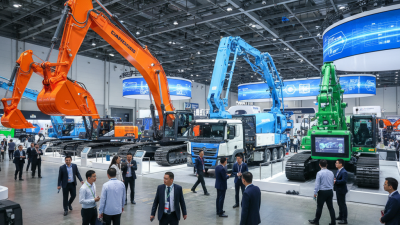
China stands out as a key player in the machinery moving equipment sector. The country produces a diverse range of products, including cranes, dollies, and hydraulic lifts. These innovations cater to the needs of global buyers, ensuring efficiency and safety in machinery relocation. However, challenges remain in maintaining quality and compliance with international standards.
Some buyers report difficulties in sourcing reliable suppliers. The variety of products can be overwhelming. Without proper research, one might struggle to choose the best equipment for their specific needs. Buyers need to focus on not only price but also durability and service support. Identifying trustworthy manufacturers is crucial. This ensures that the machinery moving equipment meets rigorous standards. A well-informed choice leads to improved operational efficiency and reduced downtime.
Overview of China's Machinery Moving Equipment Industry
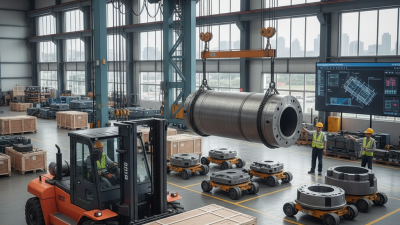
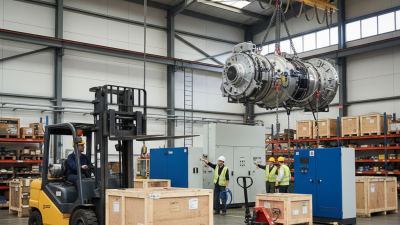
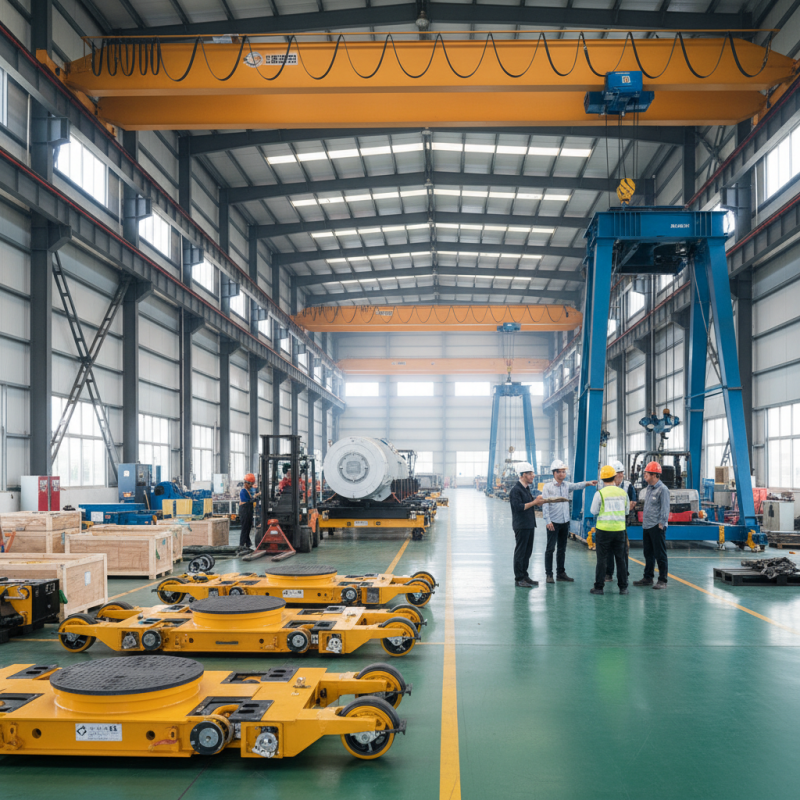
China's machinery moving equipment industry is vital to global supply chains. It combines advanced technology with efficient manufacturing processes. This sector produces a wide range of equipment, including forklifts, cranes, and specialized transporters. The focus is on enhancing safety and productivity in transporting heavy items.
**Tip:** When choosing machinery moving equipment, consider your specific needs. Assess the load capacity and operate environments. This ensures you select the right tools for the job.
Chinese manufacturers have established a reputation for reliability. However, it’s important to review each company’s quality standards. Products must meet rigorous safety regulations, which can vary across regions. Ensuring compliance with international standards is crucial for buyers.
**Tip:** Engage with multiple suppliers. This helps in understanding market trends and price variations. Don’t rush this process, as equipment quality can vary significantly.
Innovation is a key driver in this industry. Companies are investing in automation and smart technologies. Despite this progress, challenges remain. Environmental concerns and supply chain disruptions impact production timelines. Buyers should remain informed about these factors to navigate potential risks effectively.
Top 10 Machinery Moving Equipment in China
This chart presents the market demand for the top 10 machinery moving equipment in China. The data reflects the number of units sold in each category, emphasizing the importance of these tools in the machinery moving sector.
Key Features of Top Machinery Moving Equipment in China
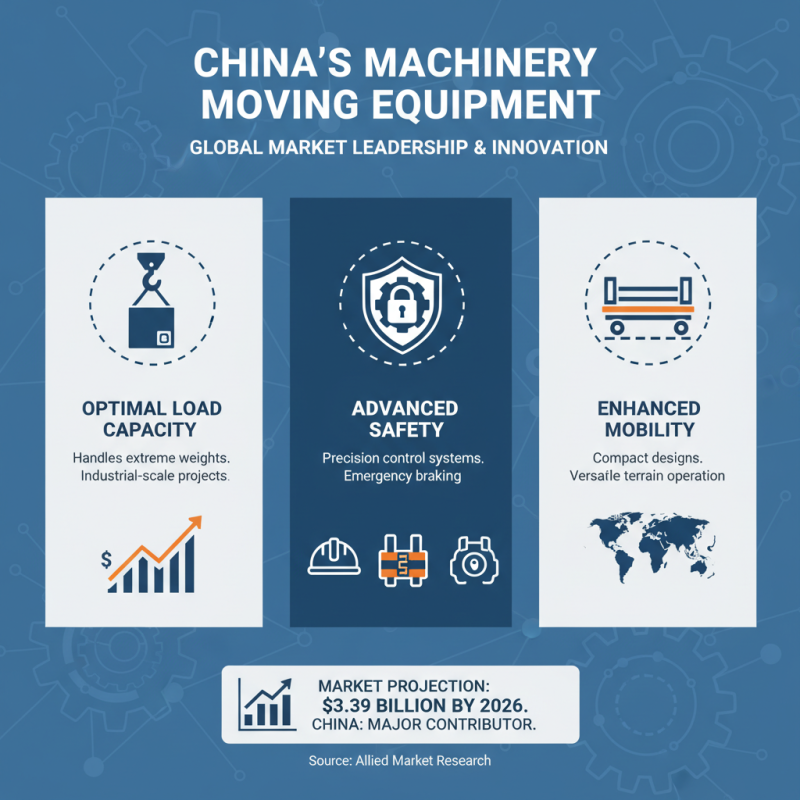
China's machinery moving equipment is essential for various industries. A report from Allied Market Research highlights that the global machinery moving market is projected to reach $3.39 billion by 2026, with a significant portion coming from China. This growth emphasizes the demand for reliable and efficient equipment. Key features of Chinese machinery moving tools include optimal load capacity, advanced safety mechanisms, and mobility.
In recent years, the development of electric-powered equipment has gained traction. Electric forklifts and pallet jacks are particularly noteworthy. They provide better maneuverability and reduced operational costs. Additionally, many models are equipped with smart technology for enhanced tracking and efficiency. Users report that these advancements in technology significantly impact their logistics and operational processes.
While the progress is commendable, there are concerns about adaptability. Some equipment may not meet specific regional needs. Moreover, despite technological advancements, there remains a gap in accessibility for smaller enterprises. These issues highlight the importance of continuous improvement and innovation in the industry. The future of machinery moving equipment in China hinges on addressing these challenges while maintaining high standards of quality and reliability.
Leading Manufacturers of Machinery Moving Equipment in China
China is a global leader in manufacturing machinery moving equipment, catering to a diverse industry. The demand for efficient equipment has surged, reflecting a growing industrial landscape. According to a report from Market Research Future, the global machinery moving equipment market is expected to reach USD 10 billion by 2025, with Asia-Pacific dominating the growth. China's manufacturers are at the forefront, producing innovative solutions that enhance operational efficiency.
Leading manufacturers in China focus on quality and technology. They specialize in cranes, hoists, and conveyors. The emphasis on safety standards is crucial, with a significant increase in safety regulations globally. However, there are concerns about consistency in quality across various suppliers, which raises questions about reliability. Moreover, many manufacturers struggle to meet international standards, leading to varying customer satisfaction levels. Continuous improvement in production techniques and stringent quality control measures are essential to address these issues.
Furthermore, adapting to emerging technologies is a double-edged sword. While automation can improve efficiency, it requires investment and training. The importance of skilled labor remains a challenge, as skilled workers are essential for maintaining machinery. Many reports indicate that the skills gap can hinder progress. Chinese manufacturers must innovate and train their workforce to stay competitive in the global market.
China Top 10 Machinery Moving Equipment for Global Buyers
| Equipment Type |
Capacity (tons) |
Weight (kgs) |
Price Range (USD) |
Application |
| Heavy Duty Rollers |
20 |
1500 |
500 - 800 |
Industrial Machinery |
| Hydraulic Jacks |
10 |
800 |
200 - 400 |
Heavy Equipment |
| Machinery Skates |
15 |
1200 |
300 - 600 |
Moving Equipment |
| Gantries |
25 |
2000 |
700 - 1200 |
Heavy Lifting |
| Pallet Jacks |
3 |
300 |
150 - 250 |
Warehousing |
| Portable Ramps |
5 |
500 |
250 - 450 |
Loading/Unloading |
| Cranes |
50 |
5000 |
2000 - 3000 |
Construction |
| Forklifts |
10 |
1200 |
400 - 800 |
Logistics |
| Safety Straps |
N/A |
200 |
20 - 50 |
Securing Loads |
| Lifting Beams |
15 |
1000 |
400 - 600 |
Structural Lifting |
Comparative Analysis of the Top 10 Machinery Moving Equipment
In the global machinery moving equipment market, analysis reveals vital insights into the top-performing tools. According to industry reports, the demand for machinery moving equipment is projected to grow at a CAGR of 5.2% through 2026. This growth highlights the importance of advanced equipment in industrial applications.
Top equipment includes heavy-duty forklifts, precision skates, and gantry cranes. Each type serves specific needs in moving large and bulky machinery. For instance, heavy-duty forklifts offer lifting capacities up to 80,000 pounds. Precision skates allow for the smooth movement of machines over short distances. Meanwhile, gantry cranes can span significant areas, making them ideal for larger operations.
Comparatively, safety features are a crucial differentiator. A report shows that equipment with enhanced safety measures can reduce accidents by nearly 30%. However, not all equipment meets these standards. Buyers must scrutinize specifications and user reviews. Many overlooked factors include weight capacity, ergonomic design, and maintenance requirements. Understanding these details ensures informed purchasing decisions.
Market Trends and Future Prospects for Machinery Moving Equipment
The machinery moving equipment market is evolving rapidly. According to a recent report by Research and Markets, the global machinery moving equipment sector is projected to grow at a CAGR of 8.5% from 2023 to 2030. This highlights the increasing demand for efficient and powerful moving solutions across various industries. Enhanced automation and technology trends play a vital role in this growth.
In China, suppliers focus on advanced engineering and innovative designs. As manufacturers embrace new technologies, they can offer smarter equipment that meets global standards. A Statista report indicates that the construction and manufacturing sectors are the largest consumers of this equipment, with significant investments in upgrading existing machinery. However, challenges remain regarding regulations and market competition. Some companies struggle to adapt to these shifts.
Sustainability is also becoming a priority. Environmental considerations are shaping the future landscape. Many companies recognize the need for eco-friendly materials and processes. Shifting towards greener machinery can help firms gain a competitive edge. Balancing efficiency and environmental responsibilities is essential for long-term success.