Top 10 Large Construction Equipment You Need to Know About?
The construction industry relies heavily on large construction equipment. These machines are crucial for efficiency and productivity on job sites. According to a 2022 report by MarketsandMarkets, the global market for large construction equipment is expected to reach $200 billion by 2027, growing at a CAGR of 4.5%. This growth highlights the increasing demand for advanced machinery in various construction projects.
John Smith, a prominent expert in construction technology, states, “The right equipment can make or break a project.” His insight reflects the necessity for companies to invest in suitable large construction equipment to stay competitive. However, many businesses still underestimate the impact of quality machines on their operations.
The complexity of choosing the right equipment can be overwhelming. From excavators to bulldozers, each type serves a specific purpose. Yet, some professionals may overlook equipment maintenance, leading to costly downtime. It is essential to recognize both the potential and the pitfalls associated with large construction equipment. Proper planning and informed decisions can drive a project’s success or lead to setbacks.
Overview of Large Construction Equipment
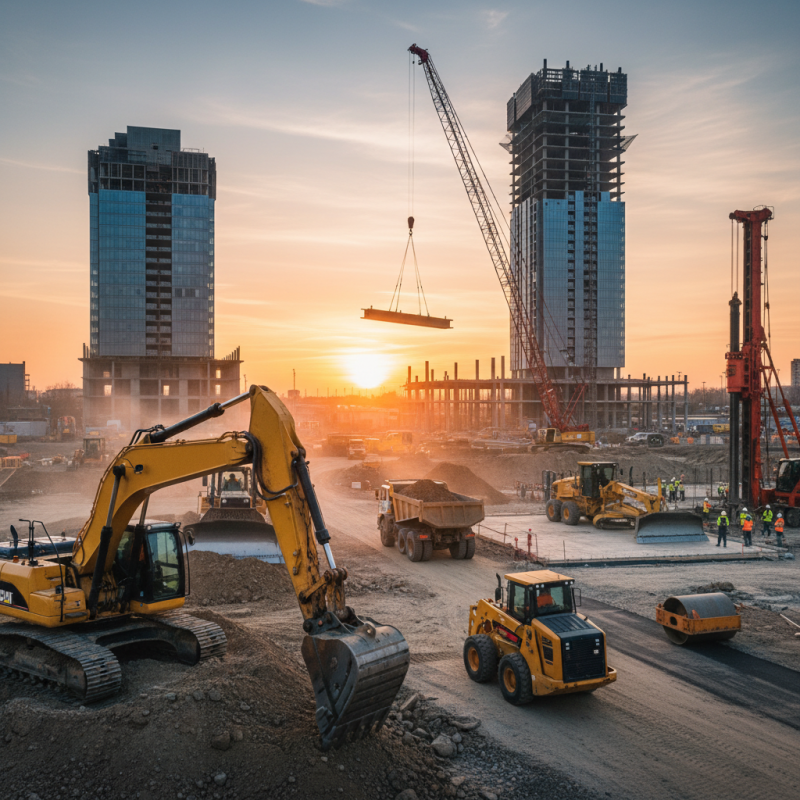
Large construction equipment plays a vital role in modern projects. These machines facilitate tasks that require heavy lifting and complex operations. From excavators to cranes, understanding these tools can enhance project efficiency.
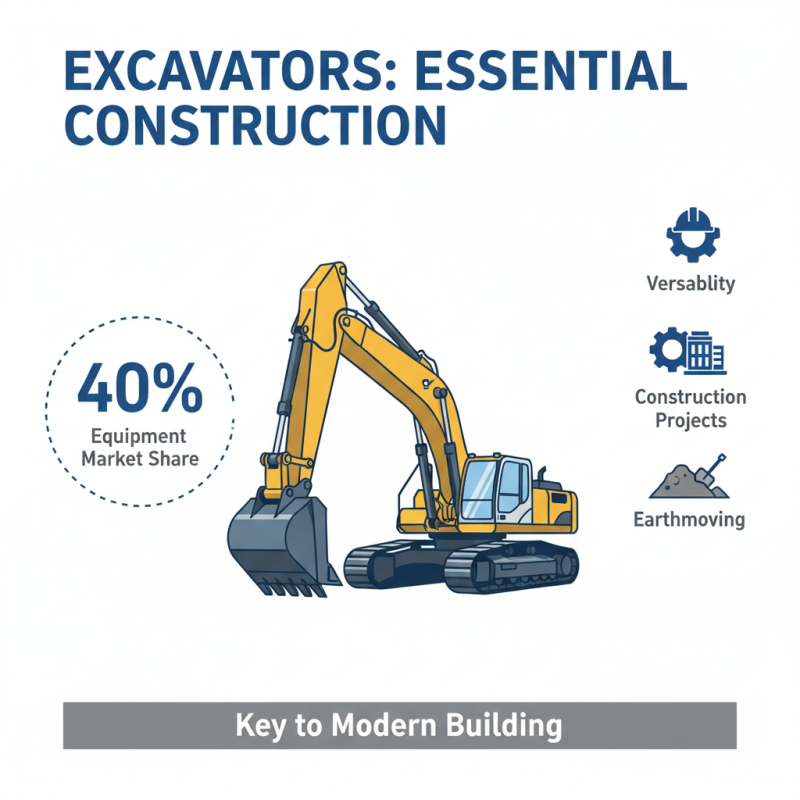
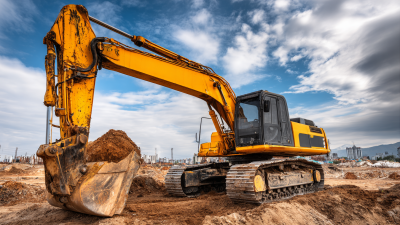
Excavators are essential for digging and earthmoving. Their flexibility allows for various attachments, making them versatile. However, operators must be cautious. Misjudgment can lead to accidents. Always ensure the work area is clear before using them.
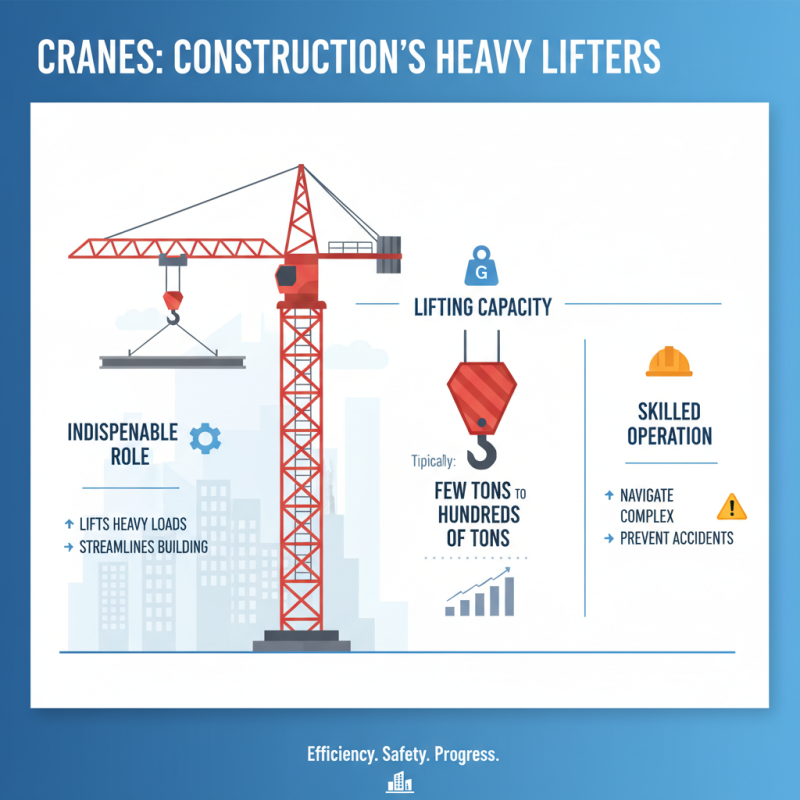
Cranes are crucial for lifting heavy materials. They come in many types, like tower and mobile cranes. Each type has specific uses. Operators should prioritize safety protocols. Regular inspections help prevent malfunctions.
Tips: Always train operators thoroughly. Safety gear is non-negotiable. Regular maintenance checks prolong machine life.
Excavators: Versatility in Earthmoving
Excavators are essential in the construction world. Their versatility makes them a favorite for many projects. According to industry reports, excavators account for roughly 40% of the equipment market in large-scale construction, highlighting their importance.
They are not just for digging. Excavators can lift, move, and even demolish. Their adaptability comes from interchangeable attachments. A simple bucket can be swapped for a hammer or a grapple. This flexibility allows for efficiency on the job site. However, the misuse of attachments can lead to accidents. Training operators is crucial to prevent costly mistakes.
Moreover, the demand for excavators is growing. The global market is projected to reach $63 billion by 2027. Yet, many operators lack adequate training. This gap poses risks. Operators must understand the machinery deeply. Ensuring safety standards is vital in every project. The future calls for highly skilled labor in operating excavators.
Bulldozers: Powerhouses for Grading and Clearing
Bulldozers are essential in construction. These machines excel at grading and clearing land. Their power and versatility make them indispensable on job sites. A bulldozer can push large amounts of material swiftly. This efficiency cuts down on project timelines.
**Tips:** Always check the blade's angle. Adjustments can enhance efficiency. Remember to maintain proper visibility. Clear the area of debris to avoid collisions. Safety remains paramount.
When selecting a bulldozer, consider its weight and size. Not all machines are suitable for every task. Understanding your project's specific needs is crucial. Overestimating the bulldozer’s capabilities can lead to problems. Choose wisely to avoid unnecessary headaches.
**Tips:** Regular maintenance is necessary. This means checking the tracks and blades often. A well-maintained bulldozer works better. Keep a log of service records to track its performance. Managing machinery efficiently ensures longevity and reliability.
Top 10 Large Construction Equipment: Bulldozers Performance Comparison
Cranes: Lifting Heavy Loads Safely and Efficiently
Cranes play a vital role in the construction industry. Their ability to lift heavy loads makes them indispensable. Typically, cranes can hoist weights ranging from a few tons to several hundred tons. This efficiency helps streamline the building process. Operators must be skilled to navigate various terrains and conditions. A simple mistake can lead to accidents, causing injuries or damage.
Different types of cranes exist to serve various functions. Tower cranes are common in large projects like skyscrapers. They soar high, allowing them to lift materials to great heights. Mobile cranes offer versatility and can be moved quickly to different sites. However, they may not reach the same lifting heights as tower cranes. Each type has its limitations and advantages. It's crucial for project managers to evaluate these factors carefully.
Safety is paramount when using cranes. Proper training for operators is essential. Regular maintenance checks can prevent equipment failure. Even experienced operators can overlook minor issues. Awareness of the surroundings is critical. Weather conditions can significantly impact crane operations. Wind, rain, or fog may lead to unsafe lifting. It's beneficial to constantly assess these factors for optimal safety on job sites.
Dump Trucks: Essential for Material Transport on Sites
Dump trucks are vital in construction sites. They transport materials like soil, gravel, and debris. These trucks come in various sizes and types. Some are built for heavy-duty tasks, while others are lighter for specific needs.
On busy job sites, efficiency is key. A dump truck's ability to quickly unload materials saves time and labor. Drivers must carefully navigate tight spaces and rough terrains. They face challenges daily, from managing heavy loads to avoiding obstacles. Proper training is essential to ensure smooth operations and safety.
Maintenance is crucial for dump trucks. Regular checks prevent breakdowns that could halt progress. An unexpected malfunction can lead to delays and increased costs. Teams must prioritize upkeep to keep projects on track. Each aspect of using a dump truck requires attention and skill.
Top 10 Large Construction Equipment You Need to Know About
| Equipment Type |
Weight (lbs) |
Load Capacity (tons) |
Engine Power (HP) |
Typical Use |
| Dump Truck |
30,000 |
10-20 |
300-600 |
Material transport, site leveling |
| Excavator |
40,000 |
15-25 |
100-300 |
Digging, demolition |
| Bulldozer |
50,000 |
20-30 |
300-700 |
Land clearing, grading |
| Backhoe Loader |
15,000 |
2-4 |
60-100 |
Versatile digging, loading |
| Skid Steer Loader |
7,000 |
1-2 |
50-90 |
Compact jobs, landscaping |
| Telehandler |
24,000 |
5-12 |
90-150 |
Material handling, lifting |
| Crane |
80,000 |
20-50 |
150-400 |
Hoisting, heavy lifting |
| Scraper |
40,000 |
15-25 |
200-350 |
Earthmoving, grading |
| Paver |
40,000 |
10-20 |
150-300 |
Asphalt laying, road construction |
| Roller |
25,000 |
3-5 |
75-150 |
Compacting earth or asphalt |