Top Tips for Moving Industrial Equipment Effectively?
Moving industrial equipment is a complex process that requires careful planning and execution. The equipment is often large, heavy, and delicate. Any mistake can lead to costly damages or injuries. Effective moves rely on industry expertise and reliable techniques. This guide provides practical tips to ensure smooth transitions.
When moving industrial equipment, it's vital to assess the size and weight of the items involved. Understanding these factors helps in selecting the appropriate transportation methods. Consider the layout of both the departure and arrival locations. Unexpected obstacles may arise. Therefore, planning for contingencies is crucial.
Additionally, securing the right tools and workforce is essential. Professional movers with experience can make the process more efficient. Rushing can lead to oversights, risking equipment and worker safety. Engaging skilled personnel ensures that you get valuable insights. By following these guidelines, you enhance the chances of a successful move.
Understanding the Importance of Planning in Equipment Relocation
Effective equipment relocation begins with detailed planning. According to a survey by the International Society of Automation, improper planning can lead to costly downtime, impacting production by up to 20%. Companies often overlook the importance of logistics during the process. It’s crucial to map out every step well before moving day arrives.
Assessing the existing setup and identifying potential challenges is vital. An organized inventory allows for a smoother transition. The Occupational Safety and Health Administration (OSHA) reports that inadequate preparation can increase the risk of workplace accidents, underscoring the need for comprehensive planning. Utilizing a clear timeline and assigning specific responsibilities can minimize confusion and delays.
Moreover, securing the right resources is essential. This includes hiring experienced personnel or consulting experts in industrial relocation. Many organizations fail to allocate enough time for proper coordination. A thoughtful approach can lead to a successful transition, allowing for a seamless resumption of operations. This reflects the significant impact of planning on minimizing disruptions and ensuring safety during the relocation process.
Top Tips for Moving Industrial Equipment Effectively
| Tip |
Description |
Importance |
| Assess Equipment |
Evaluate the size, weight, and configuration of the equipment to determine the best moving approach. |
Critical for ensuring safe and efficient relocation. |
| Develop a Plan |
Create a detailed moving plan that outlines all steps, equipment, and personnel needed. |
Essential for minimizing complications during the move. |
| Gather Necessary Tools |
Collect all tools and equipment required for the move, including rigging equipment and safety gear. |
Important for ensuring proper handling and safety. |
| Coordinate Logistics |
Plan the route and schedule for moving equipment, including any permits needed. |
Determines the efficiency of the moving process. |
| Surveillance and Safety |
Ensure safety measures are in place and monitored throughout the move. |
Crucial for protecting personnel and equipment. |
| Post-Move Inspection |
Check equipment upon arrival to ensure it is in good condition and reassemble if necessary. |
Essential for ensuring operational readiness. |
Assessing and Preparing Industrial Equipment for Transportation
Assessing and preparing industrial equipment for transportation is crucial. Each piece must be evaluated carefully. Understand the weight, size, and operating condition of the equipment. Take note of any special handling requirements. A thorough assessment prevents surprises during transport.
Tip: Take photographs of the equipment. This documentation helps in confirming the condition before and after transport. It can resolve disputes about damages later.
Additionally, create a detailed inventory. List all components and accessories. This checklist ensures nothing is forgotten or lost. When packing, use appropriate materials like foam or bubble wrap. These protect sensitive parts from damage.
Tip: Collaborate with your logistics team early. They will provide insights on the best practices for transportation routes and methods. Engage in discussions about timelines and potential challenges to ensure smoother operations.
Choosing the Right Moving Equipment and Transportation Methods
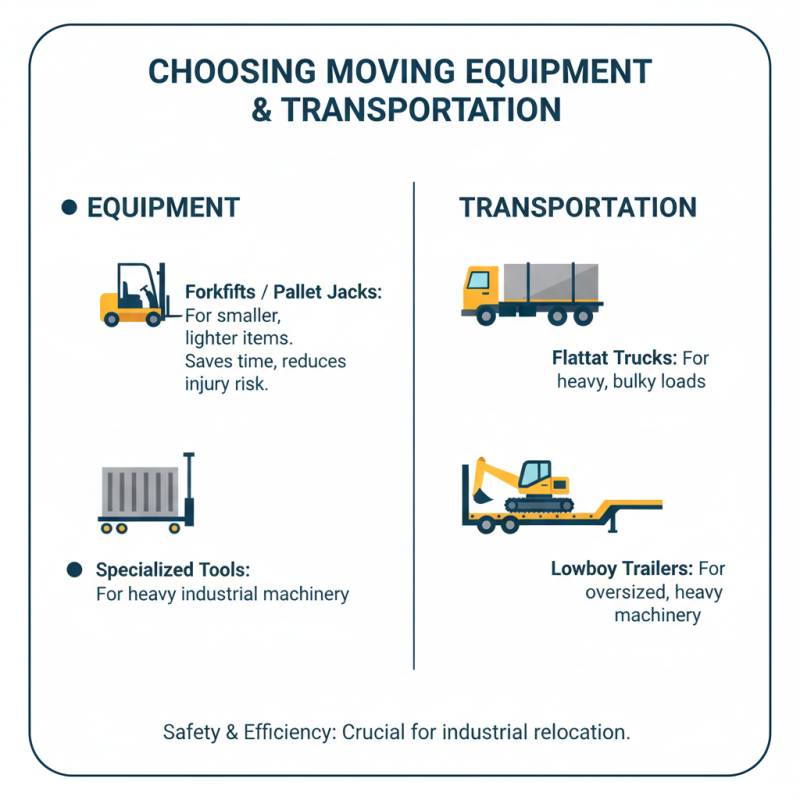
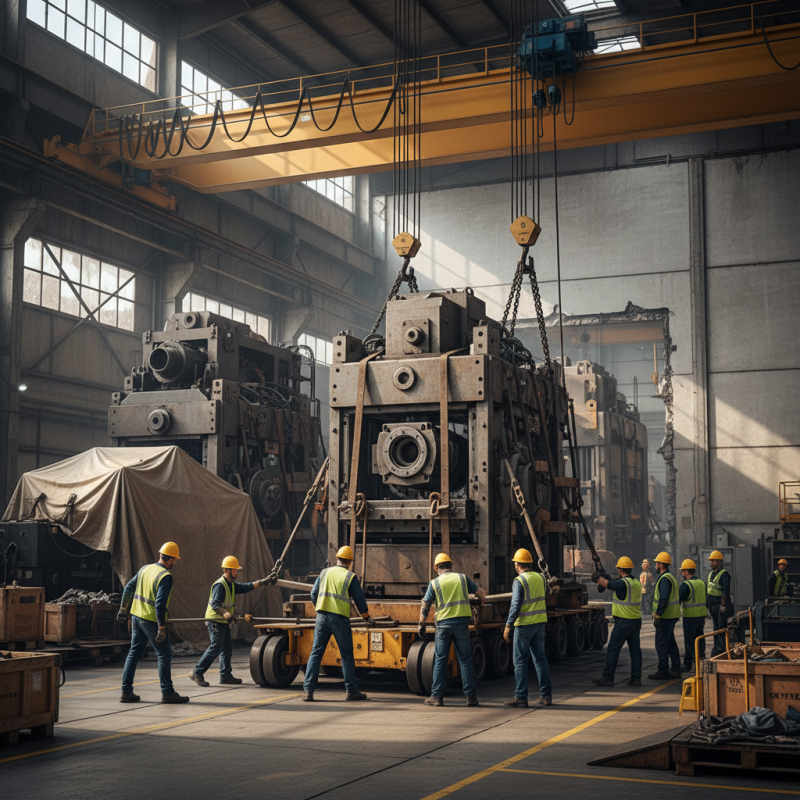
Choosing the right moving equipment is crucial when relocating industrial machinery. Heavy equipment requires specialized tools to ensure safety and efficiency. Consider using forklifts or pallet jacks for moving smaller items. These tools can save time and reduce the risk of injury. For larger machinery, flatbed trucks or lowboy trailers are often recommended. They provide the necessary support for heavy loads during transport.
Each piece of equipment has its weight limits. It's essential to assess the size and weight of your machinery before selecting tools. This assessment can prevent accidents and damage. Additionally, consider the terrain where the equipment will move. Uneven ground may require additional support or different vehicles. When planning, consult with experienced professionals who can offer tailored advice.
Transportation methods should align with the equipment’s nature. For sensitive machinery, padded crates can shield against damage. Regular monitoring throughout the move ensures everything is on track. Safety should always be a priority. While the process may seem straightforward, it's easy to overlook key details. Addressing these challenges will enhance the overall effectiveness of your move.
Implementing Safety Protocols During Equipment Handling and Transport
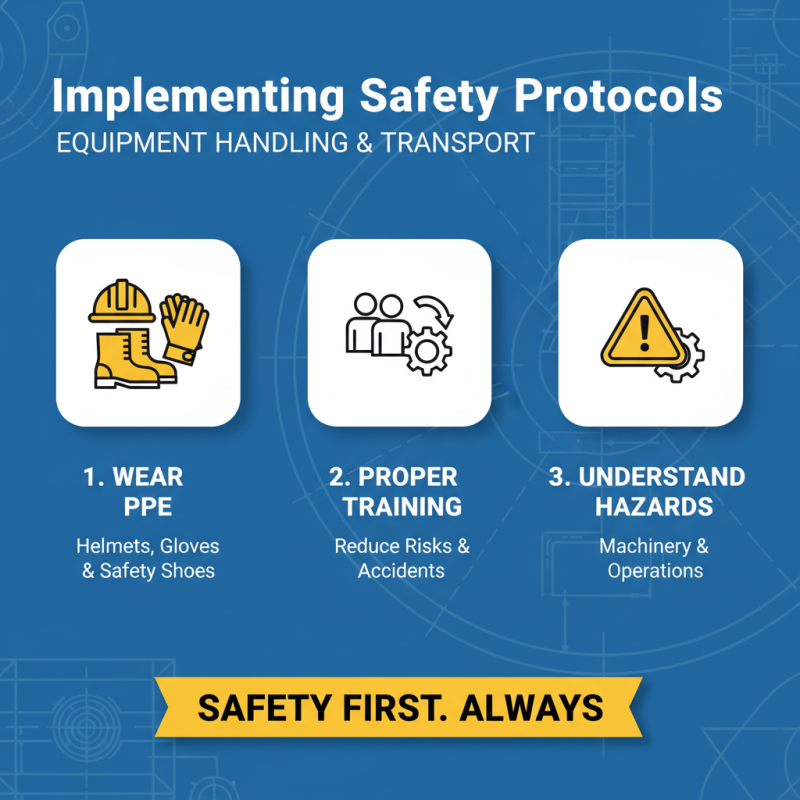
When handling industrial equipment, safety should always come first. Personnel must wear appropriate personal protective equipment (PPE). This includes helmets, gloves, and safety shoes. Each worker should receive proper training on equipment handling to reduce risks. Everyone involved must understand the hazards associated with the machinery.
Transporting equipment presents its own set of challenges. Workers need to assess the weight and dimensions of each piece accurately. Using proper lifting techniques and equipment like forklifts can significantly reduce injury risk. However, even with precautions, accidents can still occur. It's essential to have a clear communication plan. Workers should signal each other during the movement of heavy items to avoid confusion.
Another important aspect is ensuring that equipment is secured during transport. Straps and padding can prevent equipment from shifting. Inspecting all tools before use is vital. Even minor upgrades in protocols can make a big difference. Reflection on safety tactics and learning from past mistakes enhances overall safety. Regular safety drills can reinforce the importance of these protocols.
Post-Move Setup: Ensuring Optimal Functionality of Relocated Equipment
Post-move setup is crucial. After relocating industrial equipment, functionality can be compromised without proper attention. Inspect all machinery thoroughly first. Look for any signs of damage sustained during transit. This step prevents future issues and ensures safety.
Positioning is important. Equipment should be arranged for easy access. Consider workflows and the movement of materials. Sometimes, a layout that seemed logical may not function well in practice. Be willing to adjust as necessary. Involve operators in this phase. Their hands-on experience provides insights that can optimize processes.
Calibration and connection follow placement. Check power, water, and air supplies. Adjust any settings to meet operational standards. Keep a detailed log of changes made. Often, initial adjustments can fall short. Reassess the equipment’s performance six weeks post-move. This reflection period helps catch any lingering issues, allowing for smoother operation in the long run.
Top Tips for Moving Industrial Equipment Effectively