Top Tips for Choosing Electric Earth Moving Equipment?
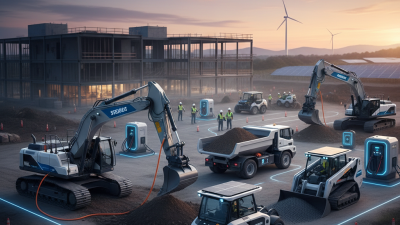
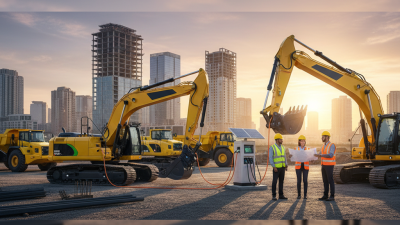
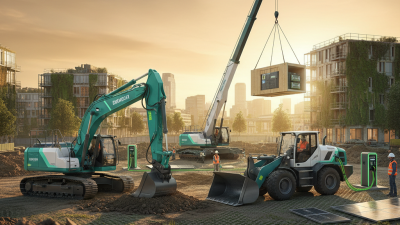
Choosing the right electric earth moving equipment is crucial for efficiency and productivity in construction projects. Many businesses face challenges in selecting the most effective machinery. This is due to the diverse options available on the market today. Understanding the distinct features of electric earth moving equipment can streamline this decision-making process.
Consider the various types of electric earth moving equipment available. From excavators to loaders, each serves a unique purpose. It's essential to evaluate their specifications, such as power output and battery life. A poorly chosen piece of equipment can lead to downtime and increased costs. Therefore, gathering insights from industry experts can help in making informed choices.
Reflecting on your specific project needs is also vital. Not every piece of equipment is suitable for all tasks. Some vehicles might offer advanced features but may lack reliability. Balancing innovation with practicality is a key factor. Ultimately, making an informed decision today can enhance performance and sustainability in the long run.
Key Considerations for Selecting Electric Earth Moving Equipment
When selecting electric earth-moving equipment, several key considerations come into play. The type of worksite significantly influences the choice of equipment. Understand the terrain, soil type, and environmental conditions. Ensure the machinery fits well into the specific project requirements. Electric options can excel in urban settings where emissions are a concern, but performance can vary against traditional diesel counterparts.
Additionally, battery life and charging infrastructure are critical. Review the machine's battery capacity and average operational time before needing a charge. Assess the availability of charging stations on and off-site. It’s essential to have a plan to minimize downtime. Reliable equipment can sometimes come at a premium; however, the long-term savings can offset initial costs. Keep in mind that sometimes the latest technology may not guarantee the best performance for specific tasks.
Finally, check for compliance with local regulations and standards. Electric equipment may have different safety requirements compared to traditional models. Make sure your choice adheres to these rules. This is where personal experience can help inform better decisions. Although electric options have their benefits, reflecting on past usage can reveal shortcomings that need consideration. Overall, approaching this choice with careful evaluation leads to more informed outcomes.
Understanding the Different Types of Electric Earth Moving Machines
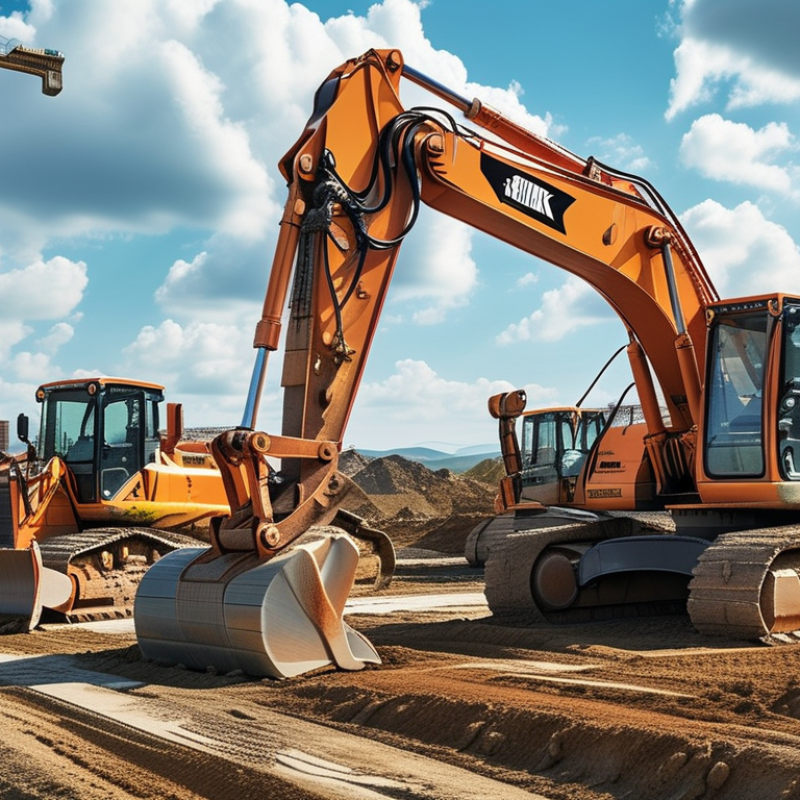
When choosing electric earth moving equipment, it's crucial to understand the different types available. Electric excavators are gaining popularity due to their efficient performance. These machines are quieter and produce zero emissions. However, their initial cost can be higher than diesel models.
Electric loaders are another option worth considering. Their compact design allows for easier maneuverability in tight spaces. They typically require less maintenance, which can lead to cost savings. Despite their benefits, some users may find battery life limits their usage.
Lastly, electric bulldozers represent an innovation in earth moving. They are powerful and efficient but may need more advanced charging solutions. It's essential to evaluate the operational environment and specific project requirements. Each type of equipment has its pros and cons that should be carefully considered.
Top Tips for Choosing Electric Earth Moving Equipment
| Type of Equipment |
Application |
Battery Life (hours) |
Weight Capacity (tons) |
Charging Time (hours) |
| Electric Excavator |
Excavation and Grading |
8 |
10 |
2 |
| Electric Loader |
Material Handling |
10 |
5 |
1.5 |
| Electric Bulldozer |
Land Clearing |
9 |
12 |
3 |
| Electric Dump Truck |
Transporting Materials |
12 |
8 |
4 |
| Electric Backhoe |
Excavation and Digging |
8 |
6 |
2.5 |
Evaluating Power Requirements and Battery Life for Efficiency
When selecting electric earth moving equipment, evaluating power requirements and battery life is crucial. Different projects demand different power levels. For instance, large excavation sites require high torque and power for efficient operation. Choosing equipment that delivers adequate power while being energy-efficient can maximize project output.
Battery life directly impacts the performance of earth moving equipment. Longer battery life allows for extended working hours without interruptions. However, longer-lasting batteries often come at a higher upfront cost. It's essential to assess whether the estimated energy use matches the battery capacity. An imbalance can lead to downtime and delays, which affects project timelines. Pay attention to energy consumption metrics provided by manufacturers to make informed decisions.
Also, consider the charging infrastructure available at your job site. If rapid charging options exist, even a smaller battery could suffice. But if charging capabilities are limited, investing in larger battery capacity might be more prudent. Balancing power needs with battery efficiency requires careful thought. Understand how both elements interact with your specific operational requirements.
Assessing Costs and Maintenance Needs of Electric Equipment
When assessing the costs and maintenance needs of electric earth moving equipment, several factors emerge. According to a report from Statista, the global market for electric construction equipment is expected to reach $50 billion by 2025. This growth reflects a shift in focus towards sustainability and reduced operational costs. Yet, while initial costs may be higher, the long-term savings can be substantial. Electric machinery typically incurs lower fuel and maintenance costs compared to diesel counterparts.
Maintenance for electric equipment generally requires fewer hours. Traditional machines often face complex engine issues. Electric machines, however, need battery management and regular software updates. A study by the Electric Power Research Institute shows that maintenance costs for electric equipment can be up to 15% lower over their lifespan. This statistic highlights the potential efficiency of electric options.
Furthermore, the technical expertise required for servicing electric machines is different. There may be a learning curve for maintenance personnel, which could lead to initial underperformance. Companies must also consider the availability of parts. A local supply chain is critical to minimizing downtime. Balancing upfront costs with ongoing expenses is vital for making informed decisions about electric equipment investments.
Comparing Environmental Impact: Electric vs. Diesel Options
When considering electric earth-moving equipment, environmental impact is a key factor. Electric options produce zero tailpipe emissions. This is crucial for urban projects where air quality is a concern. Diesel equipment, while powerful, emits greenhouse gases that contribute to climate change. This stark difference highlights the urgency of making environmentally friendly choices.
Moreover, the production and disposal of batteries for electric machines require careful consideration. Battery mining can have harmful environmental effects. However, innovations in recycling and sustainable sourcing are emerging. They promise a cleaner future for electric equipment.
It’s important to weigh these factors against your project needs. The upfront cost of electric machines can be higher, but lower fuel and maintenance costs may offset this. User experience varies; some operators find electric machines quieter and easier to control. Others may struggle with the limited range for larger tasks. Balancing efficiency and sustainability can lead to a smarter choice.