What is PVC Tarpaulin and its Common Uses?
PVC Tarpaulin is a versatile material widely used in various industries. Dr. Emily Johnson, a leading expert in polymer materials, states, “PVC tarpaulin is all about durability and functionality.” This statement emphasizes the importance of this material in practical applications.
PVC tarpaulin is made from high-quality polyvinyl chloride. Its waterproof and UV-resistant properties make it ideal for outdoor use. From truck covers to tents, its applications are diverse. People often undervalue its potential. Many do not realize how it enhances safety and productivity.
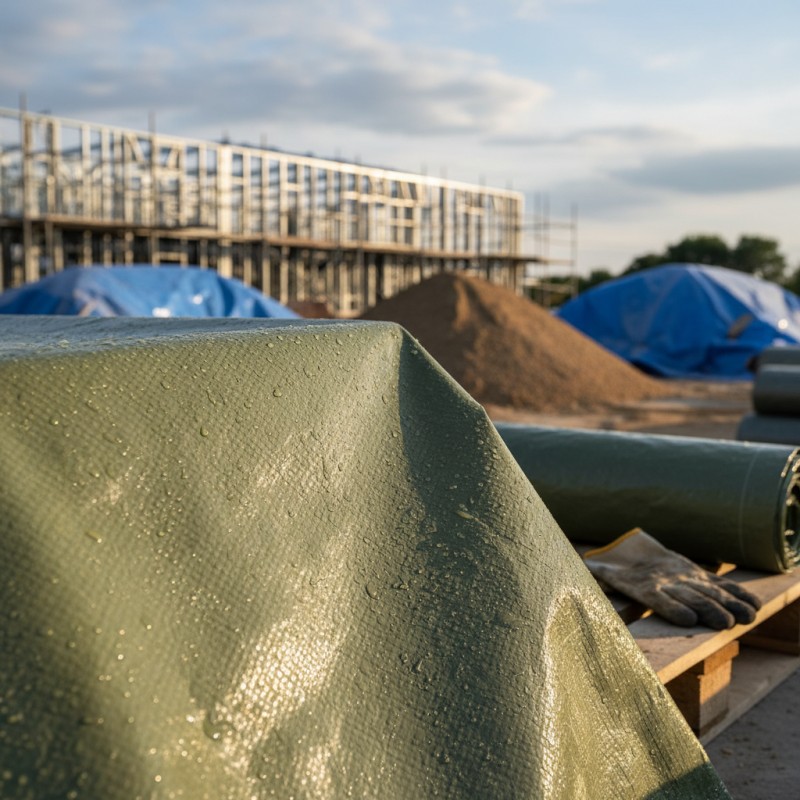
In construction, it serves as effective site protection. However, many users overlook proper maintenance. This leads to a shortened lifespan. It is crucial to remember that even durable materials require care. With the right attention, PVC tarpaulin can provide long-lasting solutions. Understanding its benefits fully can lead to better choices.
Definition and Composition of PVC Tarpaulin
PVC tarpaulin is a versatile material, widely used for its durability and strength. It is made from polyvinyl chloride, a type of plastic that is tough and weather-resistant. The composition typically includes a polyester mesh that is coated with PVC, providing added flexibility and resilience. This blend makes PVC tarpaulin suitable for a variety of applications, even in harsh conditions.
Common uses of PVC tarpaulin include outdoor covers, tents, and awnings. Its robust nature allows it to withstand moisture and UV rays. It is often used in construction sites to protect materials from rain. Additionally, it is preferred for truck covers, ensuring cargo remains dry during transport. However, it’s important to consider environmental implications, as PVC is not biodegradable. This raises questions about sustainability in its widespread use.
The production process of PVC tarpaulin can also have drawbacks. Although it provides excellent protection, it can release toxins during manufacturing. This aspect needs more attention. Finding eco-friendly alternatives could improve its impact on the environment. Despite its practical benefits, it is vital to reflect on its long-term effects on our planet.
Key Properties and Advantages of PVC Tarpaulin
PVC tarpaulin is a versatile material known for its durability and waterproof properties. It consists of a strong polyester base coated with polyvinyl chloride (PVC), giving it considerable strength. This combination makes it resistant to tearing and fading, suitable for various outdoor applications. PVC tarpaulin is often used in tents, truck covers, and outdoor displays due to its robustness.
One of the key advantages of PVC tarpaulin is its ease of maintenance. The surface can be cleaned easily with just soap and water. Additionally, it remains flexible even in low temperatures, making it reliable in different climates. This material is also flame retardant, providing safety in various settings. However, some environmental concerns exist regarding its production and disposal. While it offers many benefits, the impact on nature cannot be ignored.
The versatility of PVC tarpaulin extends to its aesthetic appeal. It comes in various colors and finishes, allowing customization for different projects. Whether used for protective covers or advertising banners, its visual presence can enhance any setting. However, users must keep in mind its limitations in terms of UV resistance, which can vary based on specific formulations. Thus, careful consideration should be taken when selecting PVC tarpaulin for long-term exposure to sunlight.
Common Applications of PVC Tarpaulin in Various Industries
PVC tarpaulin is a versatile material used across various industries. Its durability and waterproof properties make it highly suitable for outdoor applications. In the construction industry, PVC tarpaulins serve as protective covers for equipment and materials. They help shield against rain and dust, ensuring the project runs smoothly.
In agriculture, farmers use PVC tarpaulin for greenhouse covers. This material provides insulation and protection from harsh weather. It's critical for extending the growing season of crops.
Moreover, in the transportation industry, these tarpaulins cover cargo on trucks. They secure the load and protect against the elements.
Despite its many uses, some challenges arise with PVC tarpaulin. It can be heavy and cumbersome, making installation difficult. Additionally, over time, UV exposure may weaken the material, leading to possible tears. It's essential to assess these factors for effective use. Handling and maintenance play significant roles in ensuring longevity and effectiveness.
Maintenance and Care for PVC Tarpaulin Products
PVC tarpaulin products are durable and versatile. However, like all materials, they need proper care to extend their lifespan. Over time, dirt and grime can accumulate on the surface. Regular cleaning is essential. A soft brush or cloth with mild soap and water works well. Avoid harsh chemicals as they can damage the tarpaulin. Rinse thoroughly and let it air dry.
Sunlight exposure can lead to fading. So, it's wise to store PVC tarpaulin products in a shaded area. Wrinkles may develop with time. Sometimes, a simple steam treatment can remove these. Regularly inspect for any signs of damage, like tears or punctures. Addressing these issues promptly can prevent more significant problems later on. Taking these steps can help you enjoy your PVC tarpaulin for years.
Environmental Impact and Recycling of PVC Tarpaulin
PVC tarpaulin is widely used due to its durability and versatility. However, its environmental impact raises concerns. PVC, or polyvinyl chloride, is a type of plastic that can be difficult to recycle. When disposed of improperly, it contributes to pollution and landfill issues.
Recycling PVC tarpaulin presents challenges. The material is often contaminated with various substances. This makes recycling processes complicated and sometimes unfeasible. Some facilities process PVC, but the rate of recycling remains low.
Many people are unaware of the long-lasting effects of PVC waste. It can take hundreds of years to decompose. Alternatives like canvas or biodegradable materials are sometimes overlooked. These options can help reduce plastic waste. Awareness and action toward better recycling practices are crucial for a more sustainable future.