In the ever-evolving world of construction, understanding the essential machinery and equipment is crucial for success. As experts in the field emphasize, "Investing in the right construction machinery and equipment is the foundation of a project’s efficiency." This insight from John Davis, a seasoned construction consultant with over 25 years of industry experience, underscores the importance of making informed choices.
Construction machinery and equipment can significantly impact productivity and safety on job sites. Selecting the right tools not only ensures high efficiency but also minimizes potential risks. However, many buyers often overlook this critical aspect. They may focus solely on price without considering the long-term benefits of quality and reliability.
The landscape of construction is filled with options, and navigating these choices can be challenging. It is vital for buyers to analyze their specific needs. Shortcuts in decision-making might lead to costly setbacks. Hence, understanding each piece of equipment's capabilities and limitations is essential. Investing in the best construction machinery and equipment today can lay a solid groundwork for successful projects tomorrow.
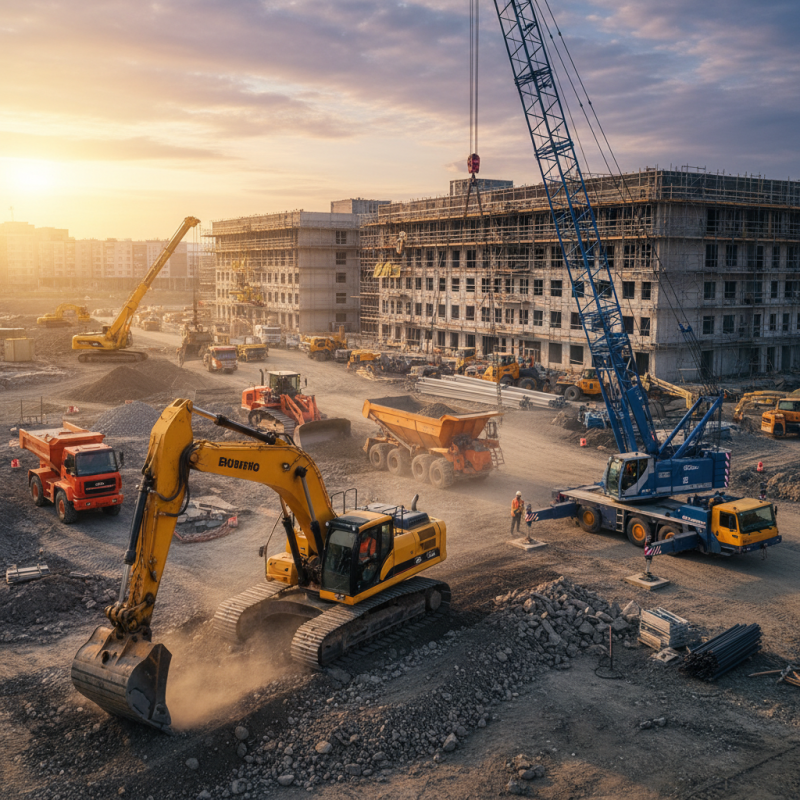
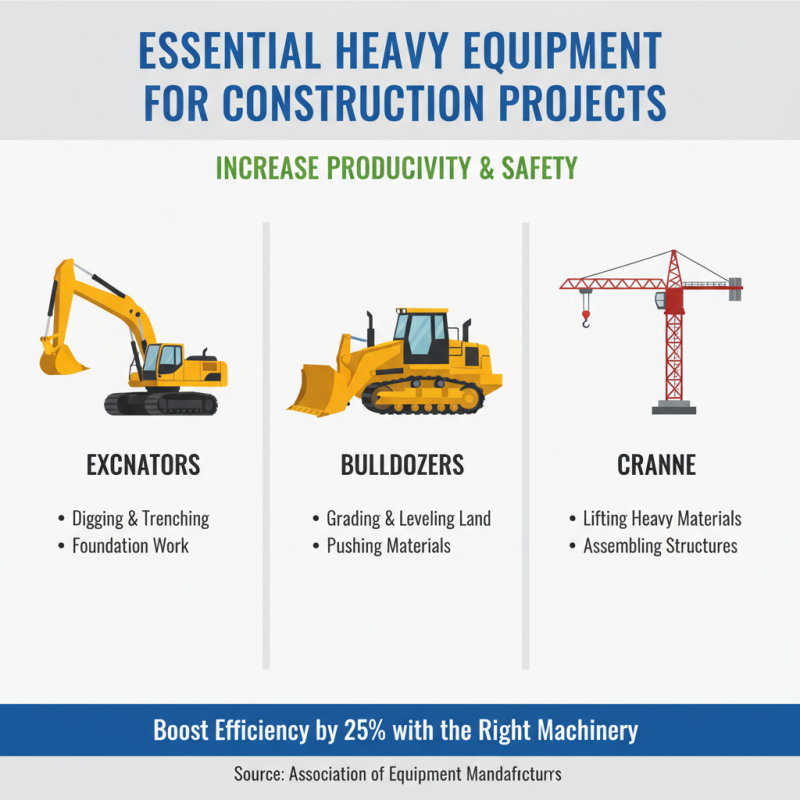
Construction projects demand several essential pieces of heavy equipment to ensure efficiency and safety. According to a report by the Association of Equipment Manufacturers, investing in the right machinery can increase productivity by up to 25%. Among the must-have equipment are excavators, bulldozers, and cranes. These machines facilitate digging, grading, and lifting materials, which are critical for project timelines.
Choosing the best machinery isn’t just about size and power; it’s about reliability and maintenance. For instance, regular inspections can prevent costly breakdowns. A study emphasizes that proactive maintenance can extend the life of heavy equipment by 30%. Buyers should also consider their project scale and budget. Economic reports suggest that small to medium-sized enterprises significantly benefit from renting equipment rather than purchasing.
Tips: Always assess the equipment’s fuel efficiency. It can save costs in the long run. Consider training operators thoroughly. Well-trained operators can maximize machine performance. Reflect on your operational needs regularly to avoid overestimating your equipment requirements. The right machinery in the right condition makes a considerable difference in project success.
When it comes to construction projects, earthmoving machinery plays a critical role. Excavators, bulldozers, and backhoes are essential for site preparation, grading, and excavation tasks. According to a report from the International Construction and Technology Association, over 70% of construction projects invest heavily in earthmoving equipment. This equipment not only enhances efficiency but also significantly reduces labor costs.
Excavators are versatile machines used for various tasks, such as digging trenches and demolishing structures. They come in different sizes, which allows them to adapt to various job sites. However, choosing the wrong size can lead to inefficiencies. Operators must be trained properly to maximize their benefits. On the other hand, bulldozers are incredibly powerful and are commonly used for moving large amounts of earth. They excel in rough terrains, but their size can sometimes limit accessibility in tighter spaces.
It's noteworthy that backhoes have gained popularity in urban construction areas. They are compact and multifunctional, ideal for smaller sites. Yet, their limited digging depth and reach can be a drawback. Industry research indicates that while backhoes provide flexibility, relying solely on them may hinder larger earthmoving projects. Therefore, it's crucial for builders to strategically assess their machinery needs based on project requirements and site conditions.
| Machinery/Equipment | Key Features | Typical Applications | Average Price (USD) |
|---|---|---|---|
| Excavator | Versatile, powerful digging | Site preparation, trenching | $100,000 - $500,000 |
| Bulldozer | Strong, durable blade for moving earth | Land clearing, grading | $50,000 - $200,000 |
| Loader | Versatile loading and transporting | Material handling, construction sites | $60,000 - $150,000 |
| Backhoe | Combines excavation and loading | Small site projects, digging | $30,000 - $100,000 |
| Dump Truck | Transporting large volumes of materials | Material transport, site cleanup | $50,000 - $150,000 |
| Crane | Heavy lifting and placement | High-rise buildings, heavy loads | $100,000 - $1,000,000 |
| Paver | Layering asphalt or concrete | Road construction, paving | $70,000 - $300,000 |
| Compactor | Soil and asphalt compaction | Site preparation, road building | $10,000 - $50,000 |
| Scissor Lift | Vertical lift for overhead work | Building maintenance, installations | $15,000 - $60,000 |
| Telehandler | Combines fork lift with extendable arm | Material handling in construction | $40,000 - $120,000 |
Lifting equipment is crucial for enhancing efficiency in construction operations. These machines handle heavy loads, making project timelines shorter. Without the right equipment, delays can occur. Workers may struggle with manual lifting, leading to fatigue and safety risks.
Cranes and hoists are essential components of lifting equipment. They facilitate the movement of heavy materials, reducing physical strain on workers. Forklifts efficiently transport materials across job sites, speeding up processes. Proper training on these machines is vital to minimize accidents. Many companies overlook training, which can result in costly incidents.
Moreover, maintenance of lifting equipment cannot be neglected. Regular checks ensure safety and reliability. Skipping these inspections may lead to equipment failure at critical moments. Understanding the importance of well-maintained machinery can save time and resources. Construction managers should prioritize both quality equipment and ongoing training for optimal results.
In today's construction landscape, specialized tools have become essential. Modern building needs drive demand for innovative machinery. A 2022 industry report indicates that about 70% of construction projects focus on efficiency through technological advancements. This trend highlights the importance of investing in the right equipment.
Excavators, for example, are vital for heavy-duty lifting and digging tasks. Data shows their use can increase productivity by up to 30%. However, operators must be trained properly. Improper use can lead to accidents or delays. Similarly, concrete pumps reduce labor costs and expedite pouring. They are crucial for large-scale projects but require regular maintenance to avoid breakdowns.
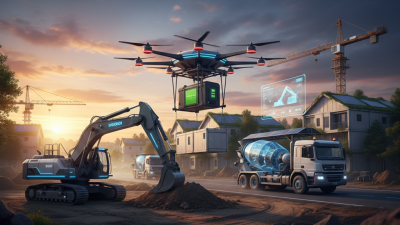
The use of drones is rising in site surveys. They gather aerial data quickly and accurately. Reports estimate that drones save up to 20% in time compared to traditional methods. However, reliance on technology raises concerns. Data security and operator proficiency are critical issues. As construction demands evolve, so must the tools and skills available in the market.
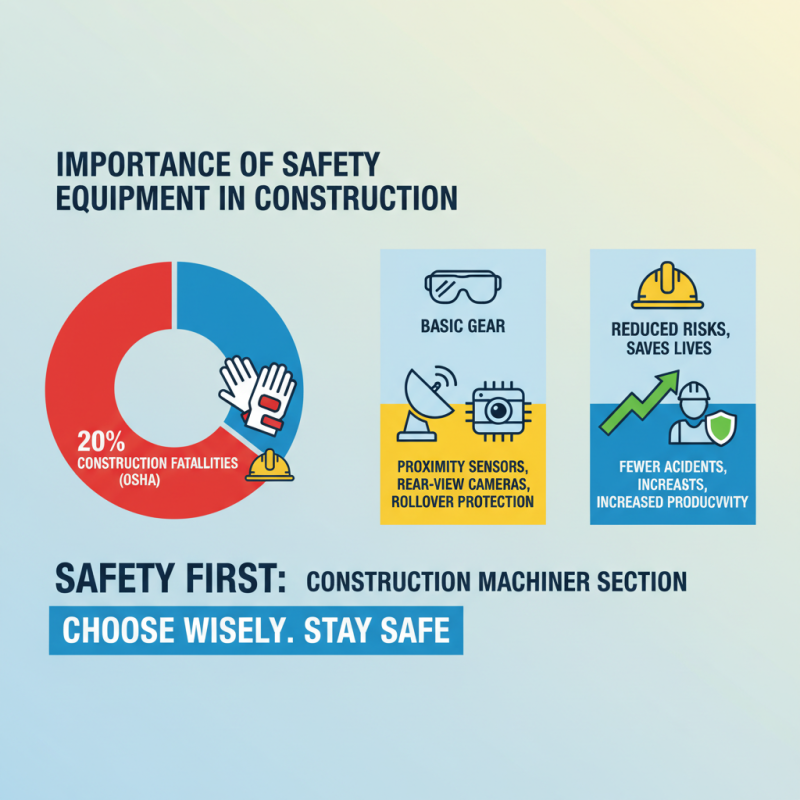
Choosing the right construction machinery and equipment involves many factors, with safety at the forefront. According to a report by the Occupational Safety and Health Administration (OSHA), about 20% of worker fatalities occur in construction. This startling statistic highlights the critical need for effective safety equipment when selecting machinery. Basic safety gear, such as hard hats, gloves, and eye protection, is essential. However, the integration of advanced safety technology can make a significant difference.
Modern machinery often incorporates safety features like alarms, automatic shut-off systems, and proximity sensors. These innovations can help prevent accidents. A study by the National Institute for Occupational Safety and Health (NIOSH) found that machines equipped with such safety mechanisms reduced injury rates by 40%. This underscores the importance of not just compliance but proactive safety measures in construction.
Construction buyers must also reflect on the human factor. Many operators might neglect safety gear due to comfort or habit. This oversight can lead to serious injuries. Regular training sessions can ensure that workers understand the importance of safety. Investing in equipment with a strong safety profile is not just about meeting regulations; it’s about fostering a culture of safety on site.