Top Machinery Moving Equipment Essentials You Need to Know?
In the realm of industrial operations, machinery moving equipment plays a crucial role. Whether it's relocating heavy machinery or safely transporting equipment, understanding these essentials is vital. This knowledge ensures efficient workflows and enhances safety.
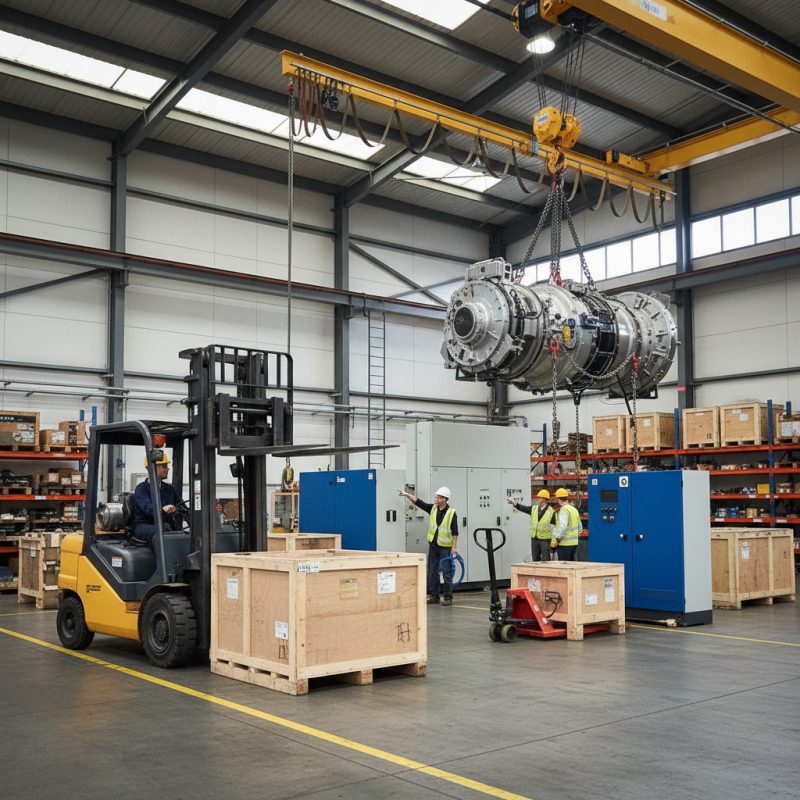
Machinery moving equipment includes tools like forklifts, pallet jacks, and rigging systems. Each piece serves a unique purpose. For instance, forklifts are excellent for lifting and transporting materials over short distances. However, their effectiveness depends on operator training and safety measures.
Not all machinery moving equipment is created equal. Different jobs require different tools. Choosing the right equipment can be challenging, and mistakes can happen. It's essential to reflect on past experiences. Did you choose the right equipment last time? Every project offers a chance to learn and improve your approach.
Key Types of Machinery Moving Equipment You Should Consider
When it comes to machinery moving, choosing the right equipment is crucial. There are several types you should consider. Common options include dollies, skates, and hydraulic lifts. According to industry reports, approximately 70% of accidents happen due to improper equipment use. This underscores the importance of investing in the right tools.
Dollies are great for lighter machinery. They come with wheels for easy maneuverability. However, they might not support larger machines well.
Skates are versatile and can handle heavier loads. Still, they require skilled operators. A report from the Machinery Movers Association noted that incorrect handling accounts for about 25% of machinery damage.
Hydraulic lifts are another option. They raise heavy machinery, providing safety and stability. Yet, they can be costly. Maintenance is key to ensure operational safety. A survey found that 40% of companies neglect regular maintenance checks. This lack of vigilance can lead to serious accidents. Each type of equipment has pros and cons. Careful consideration is essential for effective machinery moving.
Understanding the Functionality of Each Type of Machinery Mover
When it comes to machinery moving equipment, understanding each type's functionality is crucial. Different movers play specific roles in safely transporting heavy machinery. For instance, fork trucks are ideal for lifting and moving equipment short distances. They can navigate tight spaces easily but might not suit every lifting need.
Skates are another essential tool. These are flat devices placed under machinery, allowing workers to slide heavy equipment into position. They require careful handling and can be tricky on uneven surfaces. Proper positioning is crucial to avoid accidents.
Tips: Always check the weight capacity of your moving equipment. Overloading can lead to failures or accidents. Also, before moving, clear paths of obstacles. Regular maintenance of tools ensures effectiveness and safety. Be aware of your surroundings. Unpredictable movements can occur if attention wavers.
Top Machinery Moving Equipment Essentials You Need to Know
| Type of Machinery Mover |
Functionality |
Capacity (Tons) |
Best Use Cases |
| Forklift |
Lifting and transporting materials. |
1-10 |
Warehouses, construction sites. |
| Hand Truck |
Transporting boxes and small machinery. |
< 0.5 |
Retail stores, workshops. |
| Dollies |
Moving heavy items over short distances. |
2-4 |
Shipping docks, airports. |
| Roller Skids |
Sliding heavy machinery across the floor. |
> 5 |
Factories, power plants. |
| Chain Hoists |
Lifting heavy equipment vertically. |
1-50 |
Construction sites, warehouses. |
| Air Bearings |
Floating heavy machinery on a cushion of air. |
10-300 |
Heavy machinery plants, foundries. |
Essential Features to Look for in Machinery Moving Equipment
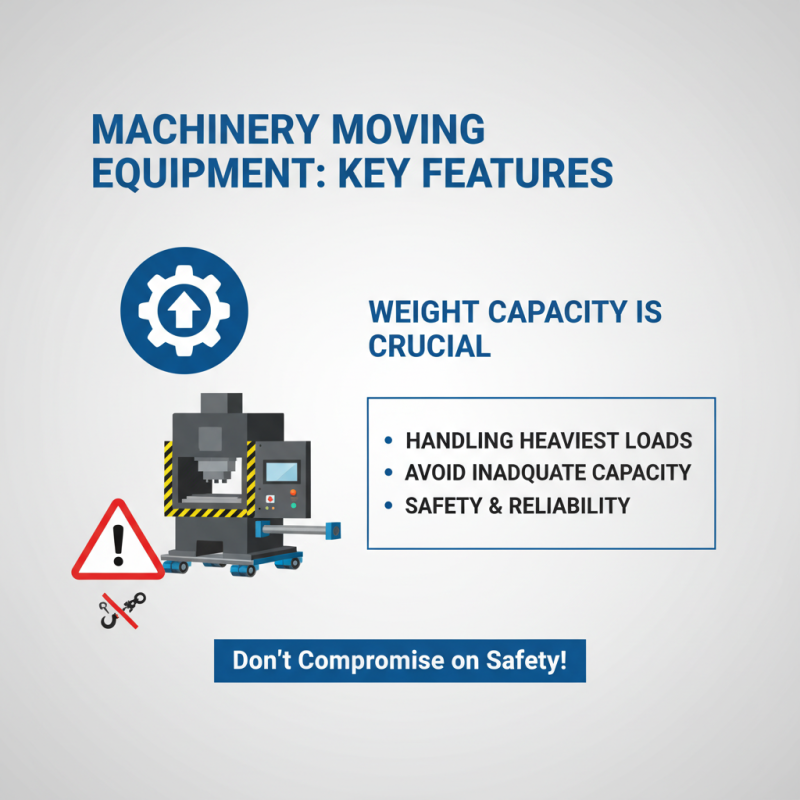
When looking for machinery moving equipment, certain features stand out. Weight capacity is crucial. Make sure the equipment can handle the heaviest loads you plan to move. A common mistake is choosing equipment with inadequate capacity. This can lead to safety risks and equipment failure.
Mobility is another key factor. Look for equipment with wheels or tracks for easier transport. The terrain matters too. A device that works well on smooth floors may not perform on rugged surfaces. Consider adjustable parts for versatility. You may need to move various types of machinery, so flexibility is essential.
Don’t ignore the importance of safety features. Emergency stop buttons, secure grips, and stability locks can make a significant difference. Many overlook these until an accident occurs. Investing in reliable equipment might seem costly, but it can save money in the long run. Moving machinery safely impacts your workflow and reduces downtime.
Safety Measures When Using Machinery Moving Equipment
When dealing with machinery moving equipment, safety is paramount. According to the Occupational Safety and Health Administration (OSHA), improper lifting and moving techniques result in thousands of workplace injuries every year. In fact, approximately 36% of serious injuries are caused by lifting equipment incorrectly. This emphasizes the need for robust safety measures.
Using the right equipment can mitigate risks. Regular inspections of cranes, hoists, and rigging gear are essential. A well-documented maintenance routine can prevent failures that lead to accidents. However, not all operators are trained adequately. Inadequate training is a significant contributor to mishaps. It's crucial to ensure that all personnel understand equipment operation and safety protocols before they handle heavy machinery.
Personal protective equipment (PPE) cannot be overlooked. Hard hats, steel-toed boots, and gloves offer basic protection. Yet, many neglect to wear them consistently, risking injury. The International Labor Organization reports that safety gear reduces injuries by nearly 40%. Training on why PPE is important can foster a culture of safety. Reflecting on these details can help improve workplace safety and protect lives.
Top Machinery Moving Equipment Essentials
This chart illustrates the essential machinery moving equipment and their usage in units. The data reflects the importance of each equipment type in facilitating safe and efficient moving operations.
Maintenance Tips for Optimal Performance of Moving Equipment
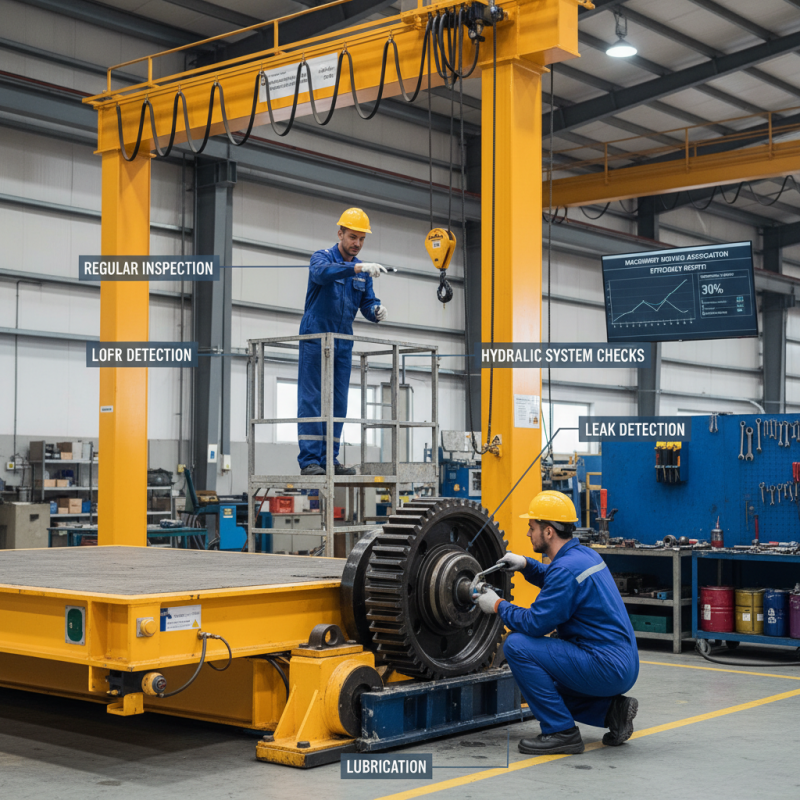
Proper maintenance of machinery moving equipment is crucial for ensuring optimal performance and longevity. According to a report from the Machinery Moving Association, poorly maintained equipment can lead to a 30% decrease in efficiency. Regular inspections are vital. Check hydraulic systems for leaks, as even small drips can indicate larger problems. Ensure that all moving parts are well-lubricated. Oil and grease help prevent wear and tear, and they keep everything running smoothly.
It's essential to keep the equipment clean. Dust and debris can affect performance. Interestingly, a study found that 25% of machinery failures stem from inadequate cleaning practices. Create a dusting schedule, especially for high-use machines. Don't overlook the importance of operator training. Workers must understand how to use equipment correctly. Frequent errors can lead to damage over time. Establish a feedback loop to identify common misuse.
Implementing a proactive maintenance plan can mitigate such issues. Aim for scheduled maintenance every six months, or sooner if the equipment sees heavy use. Document all maintenance activities to track performance trends. This data can highlight potential future problems. Remember, neglecting routine care can lead to costly repairs and downtime. Strive for excellence, but accept that no system is perfect. Reflection on daily operations can help you improve your maintenance strategy.