10 Essential Tips for Maintaining Large Equipment to Maximize Lifespan and Efficiency
In the realm of industrial operations, the upkeep of large equipment is pivotal to ensuring maximum efficiency and longevity. Reports indicate that improperly maintained machinery can lead to a staggering 30% decrease in productivity and increase operational costs significantly. According to a study by the Equipment Maintenance Association, timely maintenance can extend the lifespan of large equipment by as much as 40%, directly impacting profitability and operational reliability.
Renowned expert in machinery maintenance, Dr. Emily Carter, emphasizes the importance of a proactive maintenance strategy: "Investing in the regular upkeep of large equipment is not just about avoiding breakdowns; it's about creating a culture where equipment reliability is paramount." This proactive approach can prevent costly downtime and unforeseen repairs, ensuring that businesses remain competitive in a rapidly evolving market.
As we explore the 10 essential tips for maintaining large equipment, it’s crucial to recognize that each step taken not only protects the investment made in these machines but also fosters a safer, more efficient working environment. By adhering to these guidelines, businesses can optimize their operations, enhance safety protocols, and ultimately increase their bottom line.
Importance of Regular Maintenance for Large Equipment
Regular maintenance of large equipment is crucial to ensure its longevity and optimal performance. Neglecting routine checks can lead to significant wear and tear, which not only decreases efficiency but also increases operational costs. By investing time and resources into regular maintenance, businesses can identify potential issues before they escalate, thereby avoiding costly repairs and unplanned downtime. A proactive approach allows operators to maintain the equipment in peak condition, ensuring that it functions effectively and safely, ultimately extending its lifespan.
Additionally, regular maintenance schedules contribute to better fuel efficiency and reduced emissions. Well-maintained machinery operates more effectively, consuming less energy and operating at higher speeds without compromising safety. This efficiency not only helps in reducing operational expenses but also supports corporate sustainability initiatives. Furthermore, maintaining equipment regularly fosters a culture of safety within the organization, as equipment failures can pose significant risks to operators and onsite personnel. In conclusion, prioritizing the regular maintenance of large equipment is essential for maximizing its lifespan and efficiency while promoting a safe and cost-effective working environment.
Identifying Common Issues to Prevent Downtime
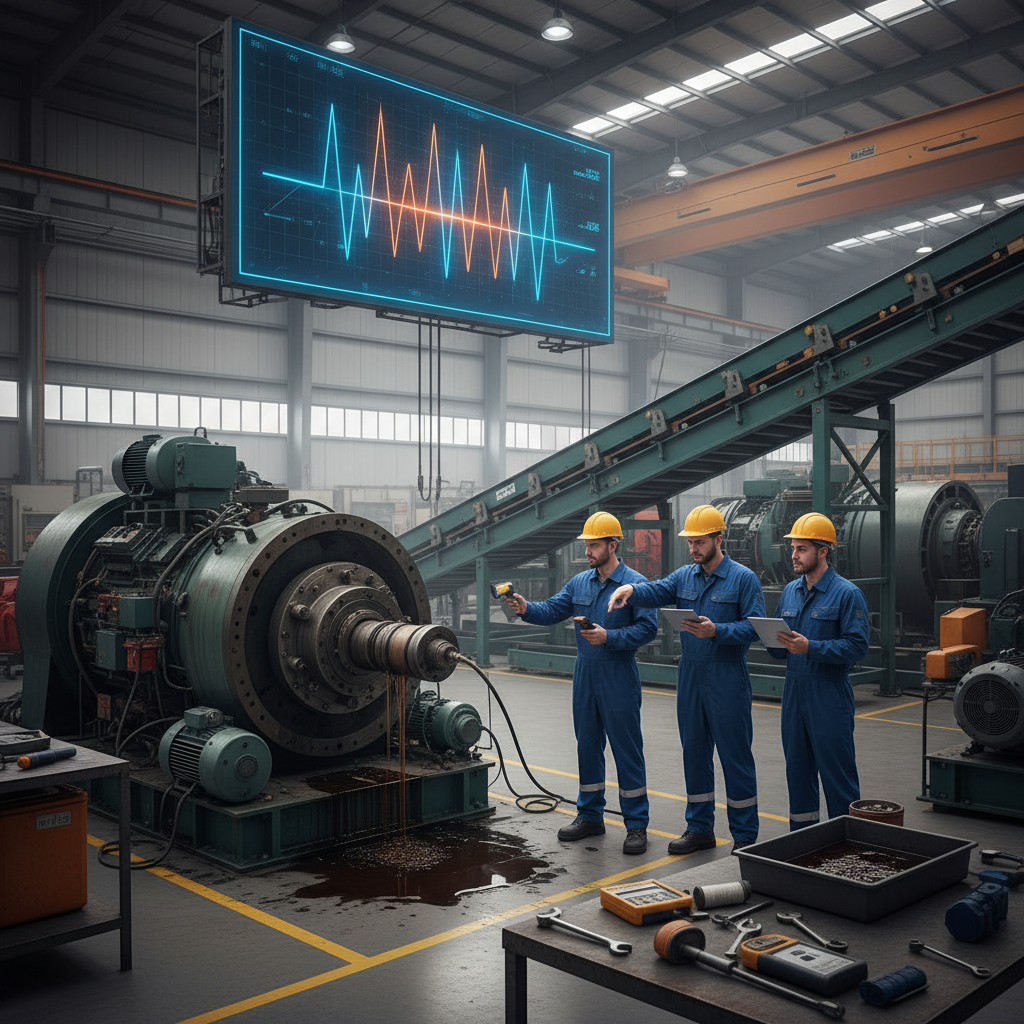
Maintaining large equipment is crucial for preventing unexpected breakdowns that can lead to significant downtime.
Common issues such as overheating, oil leaks, and vibration irregularities account for over 30% of equipment failures, according to a study by the Reliability Analysis Center.
Regular inspections can help identify these issues before they escalate. For instance, implementing a predictive maintenance strategy, which relies on historical data to forecast equipment failures, can reduce unplanned downtime by as much as 25%.
This strategy not only extends equipment lifespan but also enhances overall operational efficiency.
Moreover, addressing these common issues early can lead to substantial cost savings. The U.S. Department of Energy states that inadequate maintenance can contribute to an increase in energy consumption by up to 20%.
Regular maintenance checks, like lubrication and alignment, can minimize energy losses, ensuring that machinery operates at peak efficiency.
Data from the Asset Performance Management Market indicates that companies with proactive maintenance practices can achieve up to a 50% reduction in operational disruptions.
By focusing on these preventative measures, businesses can ensure their large equipment performs reliably and efficiently over the long term.
Best Practices for Cleaning and Inspection
Maintaining large equipment requires a stringent cleaning and inspection regimen to ensure optimal performance and longevity. Regular cleaning is critical, as debris and dirt can accumulate in hard-to-reach areas, potentially leading to mechanical failures. Utilizing appropriate cleaning agents that are compatible with the equipment materials is essential, as harsh chemicals can cause damage. It's advisable to implement a schedule for routine cleaning, which could include daily wipe-downs and more thorough monthly deep cleans, ensuring all components are adequately addressed.
Inspection plays a crucial role in maintenance, acting as a preventative measure to catch potential issues before they escalate. Regularly evaluating the equipment for signs of wear, such as cracks, rust, or fluid leaks, is vital. Each inspection should follow a checklist that prioritizes key components, such as belts, hoses, and bearings, which often bear the brunt of wear. Conducting inspections after cleaning not only allows for a detailed view of all parts but also helps identify any irregularities that may have been obscured by dirt and grime. By integrating meticulous cleaning and thorough inspections into the maintenance routine, operators can significantly enhance the reliability and lifespan of large equipment.
Effective Lubrication Techniques to Enhance Performance
Effective lubrication techniques are critical in enhancing the performance and longevity of large equipment. According to a study published by the Machinery Lubrication magazine, improper lubrication accounts for nearly 40% of all premature equipment failures. This highlights the necessity for a systematic approach to lubrication that is both effective and efficient. Regularly scheduled lubrication intervals can reduce friction and wear, which, as per the National Lubricating Grease Institute (NLGI), can extend the lifespan of heavy machinery by up to 50%.
Implementing the right type of lubricant is equally important. Using the correct viscosity grade, as recommended by equipment manufacturers, ensures optimal performance. For example, a 2023 report by the American Petroleum Institute (API) suggests that synthetic lubricants can provide superior thermal stability and protection against oxidative degradation compared to mineral oils. By selecting high-quality lubricants that suit the specific operating conditions of the machinery, operators can significantly boost efficiency, leading to lower operational costs and reduced downtime. Regular training for maintenance personnel on these techniques can further enhance the reliability of lubrication practices, ultimately maximizing the equipment’s lifespan and productivity.
10 Essential Tips for Maintaining Large Equipment to Maximize Lifespan and Efficiency - Effective Lubrication Techniques to Enhance Performance
| Tip Number |
Maintenance Tip |
Frequency |
Lubrication Technique |
Expected Outcome |
| 1 |
Regular Inspection |
Monthly |
Visual and Manual Checks |
Identify wear and tear early |
| 2 |
Cleaning Components |
Weekly |
Use Soft Brushes and Cloths |
Maintain efficiency |
| 3 |
Check Fluid Levels |
Weekly |
Use Proper Measurement Tools |
Prevent overheating |
| 4 |
Lubrication Schedule |
Quarterly |
Use Appropriate Lubricants |
Reduce friction and wear |
| 5 |
Inspect Seals and Gaskets |
Bi-Annually |
Visual Inspection |
Prevent leaks |
| 6 |
Replace Worn Parts |
As Needed |
Follow Manufacturer Guidelines |
Maximize performance |
| 7 |
Monitor Operating Conditions |
Daily |
Use Sensors for Real-time Data |
Ensure optimal performance |
| 8 |
Train Operators |
Annually |
Conduct Workshops and Courses |
Reduce operational errors |
| 9 |
Document Maintenance Activities |
Ongoing |
Use Maintenance Software |
Track history for analysis |
| 10 |
Schedule Professional Inspections |
Annually |
Engage Certified Technicians |
Ensure equipment reliability |
Utilizing Technology for Predictive Maintenance and Monitoring
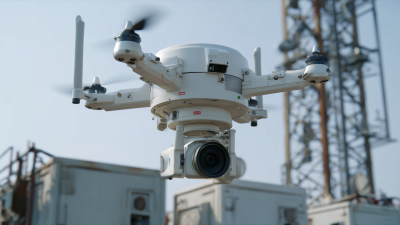
In today’s fast-paced industrial landscape, leveraging technology for predictive maintenance is crucial for maximizing the lifespan and efficiency of large equipment. Predictive maintenance employs advanced monitoring systems equipped with sensors and data analytics to track equipment performance in real-time. By analyzing data patterns, organizations can anticipate potential failures before they occur, allowing for timely interventions that prevent costly downtime and repairs. This proactive approach not only extends the life of equipment but also enhances overall operational efficiency.
Moreover, integrating IoT (Internet of Things) devices into maintenance strategies further elevates predictive capabilities. These devices enable continuous monitoring of vital metrics such as temperature, vibration, and pressure, creating a comprehensive overview of equipment health. By utilizing machine learning algorithms, businesses can identify anomalies and adjust maintenance schedules accordingly, ensuring that resources are allocated effectively. This technology-driven approach empowers maintenance teams to make informed decisions, leading to improved reliability and reduced operational costs over time.
10 Essential Tips for Maintaining Large Equipment
This chart illustrates the importance rating of various maintenance tips for large equipment, emphasizing the need for regular inspections, monitoring, and the integration of technology to maximize lifespan and efficiency.