Why Earth Moving Equipment is Essential for Modern Construction Projects
In the fast-evolving landscape of construction, earth moving equipment has become a cornerstone of efficiency and effectiveness across various projects. According to the latest report by the Global Construction Equipment Market, the earth moving equipment sector is projected to grow significantly, reaching a market value of over $70 billion by 2026, driven by the increasing demand for infrastructure and urban development. As the construction industry continues to innovate, the role of machinery such as excavators, bulldozers, and backhoes grows ever more crucial.
Industry expert John Matthews, a renowned figure in construction technology, states, "The ability to quickly and effectively move earth is fundamental to the success of any construction project." This assertion underscores the vital importance of earth moving equipment in modern construction endeavors, where precision and speed can determine project timelines and overall costs. With advancements in technology, these machines not only enhance productivity but also improve safety standards on-site, setting new benchmarks for operational excellence.
As we delve deeper into the reasons why earth moving equipment is essential for modern construction projects, it becomes clear that the integration of such machinery is not merely beneficial but essential for meeting the demands of contemporary building practices. Effective earth moving techniques are now at the forefront of construction management strategies, shaping how we build and navigate the complexities of modern infrastructure.
Advantages of Earth Moving Equipment in Construction Efficiency
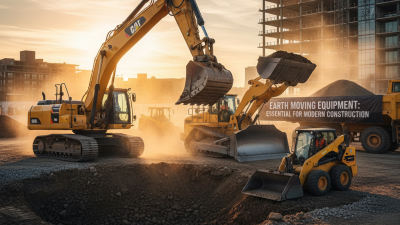
Earth moving equipment plays a crucial role in enhancing the efficiency of modern construction projects. These machines, including bulldozers, excavators, and loaders, streamline the excavation and movement of large volumes of earth. By utilizing this specialized equipment, construction teams can significantly reduce project timelines, allowing for faster completion and lower overall labor costs. The precision and power of earth moving machinery enable contractors to execute complex tasks with minimal manual effort, leading to improved safety on site.
Tips: When selecting earth moving equipment for a project, consider the specific needs of the job site, such as the type of terrain and the volume of earth to be moved. It’s also essential to ensure that the operators are well-trained and familiar with the machinery, as this directly impacts safety and efficiency.
Additionally, proper maintenance of earth moving equipment is vital to avoid unexpected breakdowns that can delay progress. Regular inspections and servicing can help identify potential issues early on, ensuring that the equipment remains reliable throughout the project. By prioritizing both selection and maintenance, construction teams can maximize the benefits of earth moving machinery, ultimately leading to a more efficient construction process.
Key Types of Earth Moving Equipment and Their Applications
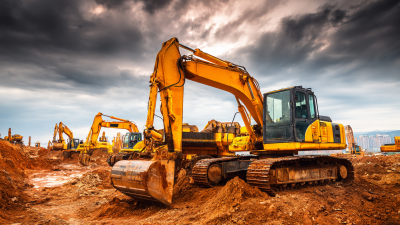
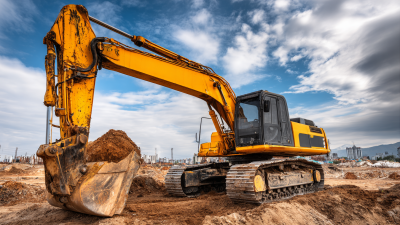
Earth moving equipment plays a pivotal role in modern construction projects, enabling various types of operations that are crucial for successful project completion. Among the key types of equipment are excavators, bulldozers, and backhoes. Excavators are primarily used for digging trenches, foundations, and holes, as well as for material handling. Their versatility allows them to maneuver in tight spaces and handle a variety of materials, making them essential for site preparation.
Bulldozers, on the other hand, are known for their powerful blades and are predominantly used for moving large quantities of earth. They clear areas, grade surfaces, and assist in heavy lifting tasks, defining them as a staple in land clearing and leveling projects. Backhoes combine the features of excavators and loaders, providing both digging and lifting capabilities. This multifunctionality makes them valuable for smaller sites where space is limited, allowing for efficient excavation and material movement without the need for multiple machines. Each type of earth moving equipment contributes uniquely to streamlining construction workflows and enhancing productivity on site.
Why Earth Moving Equipment is Essential for Modern Construction Projects
This chart illustrates the key types of earth moving equipment and their applications in modern construction projects, showcasing the importance of each type in various tasks.
The Role of Technology in Enhancing Earth Moving Equipment Performance
The integration of advanced technology into earth moving equipment is revolutionizing the construction industry. In a rapidly evolving market, the introduction of electric construction machines signifies a push toward sustainability and efficiency. With forecasts noting a significant rise in the adoption of battery-powered equipment from 2024 to 2044, companies are capitalizing on innovations that enhance performance while reducing carbon footprints. This transition not only maximizes operational efficiency but also addresses the growing demand for environmentally friendly construction practices.
Tips: Consider investing in energy-efficient models that align with future trends. Choose equipment that features advanced data analytics systems to monitor performance and predict maintenance needs.
Furthermore, advancements in hydraulic oils play a crucial role in optimizing the functionality of both stationary and mobile machinery. Latest developments in hydraulic systems provide superior wear protection and extended oil life, thereby minimizing downtime and operational costs. By utilizing cutting-edge oils and lubricants, construction firms can ensure their equipment runs smoothly and efficiently, directly impacting project timelines and overall productivity.
Tips: Regularly evaluate and update your equipment maintenance protocols to include the latest technology-enhanced lubricants, ensuring optimal performance.
Safety Considerations When Using Earth Moving Equipment
When utilizing earth moving equipment, safety must be the top priority on any construction site. Operators should always undergo thorough training before handling machinery like excavators, bulldozers, or backhoes. This training not only covers the operational aspects of the equipment but also emphasizes safety protocols to prevent accidents. Proper gear, including helmets, gloves, and visibility vests, should be worn to protect workers from potential hazards associated with moving equipment and debris.
It's crucial to conduct regular maintenance checks on earth moving machinery to ensure everything is functioning correctly. Malfunctioning equipment is a primary cause of construction accidents, leading to injuries and project delays. Implementing clear safety procedures, such as establishing exclusion zones around working equipment and using spotters for visibility, can further enhance the security of personnel on-site. By prioritizing safety measures, construction projects can successfully harness the capabilities of earth moving equipment while minimizing risks to workers and the surrounding environment.
Future Trends in Earth Moving Equipment for Construction Industry
The future of earth moving equipment (EME) is poised for significant transformation, driven by advancements in technology and changing industry demands. As indicated by recent market analyses, the global excavator market was valued at approximately $9.62 billion in 2018 and is projected to grow at a compound annual growth rate (CAGR) of 12.9%, reaching new heights by 2032. This surge reflects a broader trend towards modernization in construction practices, emphasizing efficiency and sustainability.
By 2025, the global construction equipment financing market is expected to surpass $63.12 billion, with a robust growth forecast of over 6.5% during the 2026 to 2035 period, fueled by economic uncertainties that push for innovative financing solutions. The revival of excavator sales in 2024 signals a turning point for the construction machinery sector, highlighting a rebound from previous downturns and suggesting a renewed focus on development projects. Amidst this landscape, smart hydraulic excavators and electric excavators are gaining traction, aligning with the industry's shift towards automation and eco-friendly alternatives, which are set to dominate the market in the coming years.