Top 10 Essential Construction Equipment Every Builder Should Own
In the ever-evolving landscape of the construction industry, having the right tools at your disposal can significantly influence the efficiency and success of any project. According to a recent report by the Associated Builders and Contractors, nearly 90% of construction companies surveyed identify "construction equipment" as a critical factor that directly impacts project timelines and overall productivity. As technology advances and demands on the construction sector increase, builders must adapt by ensuring they are equipped with the essential machinery that meets today’s rigorous standards.
Renowned industry expert, Brian Jones, a senior analyst at Construction Equipment Research, emphasizes the importance of modern equipment in his latest study, stating, "Investing in the right construction equipment not only streamlines operations but also enhances safety and quality throughout the construction process." In light of these insights, understanding which pieces of construction equipment are indispensable is crucial for builders looking to stay competitive in 2025 and beyond. This overview of the top ten essential construction equipment items ensures that builders are prepared to tackle challenges head-on while maximizing their operational efficiency and project outcomes.

The Importance of Heavy Machinery in Modern Construction Projects
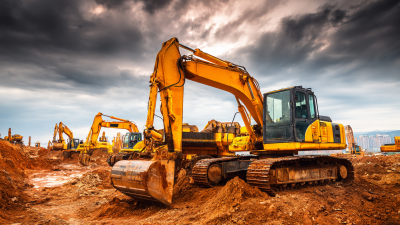
In modern construction projects, heavy machinery plays a crucial role in enhancing efficiency and ensuring safety on job sites. With the advancement of technology, these machines not only speed up the construction process but also allow for precision that manual labor simply cannot achieve. Equipment like excavators, bulldozers, and cranes are essential for moving heavy materials, digging foundations, and lifting structural components, transforming how builders approach their tasks.
When investing in construction equipment, it's vital to consider factors such as your specific project needs and the size of your operation. **Tip:** Always evaluate the versatility of the machinery you choose – multi-functional equipment can save both time and money. Additionally, regular maintenance is key to keeping your equipment running smoothly and reducing downtime in the long run.
**Tip:** Keep an eye on emerging technologies in heavy machinery. Innovations such as telematics and GPS tracking can improve overall fleet management and increase equipment lifespan. By embracing these advancements, builders can optimize their operations, reduce costs, and enhance project delivery timelines.
Top 10 Essential Construction Equipment Every Builder Should Own
| Equipment Type |
Primary Use |
Key Features |
Estimated Cost |
| Excavator |
Digging and Earthmoving |
Versatile, Caterpillar Tracks |
$100,000 - $300,000 |
| Backhoe Loader |
Excavating and Loading |
Compact, Dual Functionality |
$60,000 - $120,000 |
| Bulldozer |
Grading and Pushing |
Powerful Blade, Crawler Tracks |
$150,000 - $450,000 |
| Tower Crane |
Lifting Materials |
Height Adjustable, Rotational |
$200,000 - $700,000 |
| Concrete Mixer |
Mixing Concrete |
Portable, Durable Drum |
$10,000 - $30,000 |
| Forklift |
Material Handling |
Lift Capacity, Maneuverability |
$30,000 - $100,000 |
| Scaffolding |
Accessing Heights |
Modular, Strong Support |
$5,000 - $20,000 |
| Paver |
Laying Asphalt |
Even Surface, Adjustable Width |
$100,000 - $300,000 |
| Dump Truck |
Transporting Materials |
Large Capacity, Tipping Mechanism |
$30,000 - $150,000 |
Key Construction Equipment for Increasing Job Site Efficiency and Safety
When it comes to construction, having the right equipment is crucial for maximizing efficiency and ensuring safety on the job site. Essential construction equipment not only helps in speeding up processes but also minimizes the risk of accidents. From power tools to heavy machinery, each piece of equipment plays a vital role in delivering successful outcomes.
One key tip for builders is to regularly inspect and maintain equipment to avoid unexpected breakdowns that can lead to project delays. Ensuring that safety features are functioning correctly can significantly reduce the risk of injuries on site. Additionally, training team members on the proper use of equipment can enhance both efficiency and safety.
Another important consideration is the selection of equipment based on the specific needs of each project. For instance, utilizing a mini-excavator for smaller sites can provide better maneuverability. Always evaluate the tasks at hand and choose the tools that will optimize workflow while keeping safety as a top priority. By adhering to these guidelines, builders can create a productive and secure work environment.
Top 10 Essential Construction Equipment
Investing in Quality Tools: Long-term ROI Analysis for Builders
Investing in high-quality construction tools is essential for builders who aim to enhance their operational efficiency and long-term profitability. Each piece of equipment, from excavators to scaffolding, plays a critical role in project execution. Builders who prioritize quality often experience fewer breakdowns and delays, leading to a smoother workflow. This not only improves project timelines but also elevates the overall quality of work delivered, contributing to a stronger reputation in the competitive construction market.
Moreover, the return on investment (ROI) associated with quality tools can be substantial. While the initial expenditure may be higher, the long-term savings on repair and maintenance, coupled with the increased productivity, often outweigh these costs. Builders who carefully analyze their equipment investments can unlock significant value—enhancing their project's economic viability, sustainability, and capacity to adopt innovative practices. Consequently, investing in quality construction equipment is not merely a cost but a strategic initiative that can yield impressive returns in the evolving landscape of construction economics.
Essential Maintenance Practices for Maximizing Equipment Lifespan
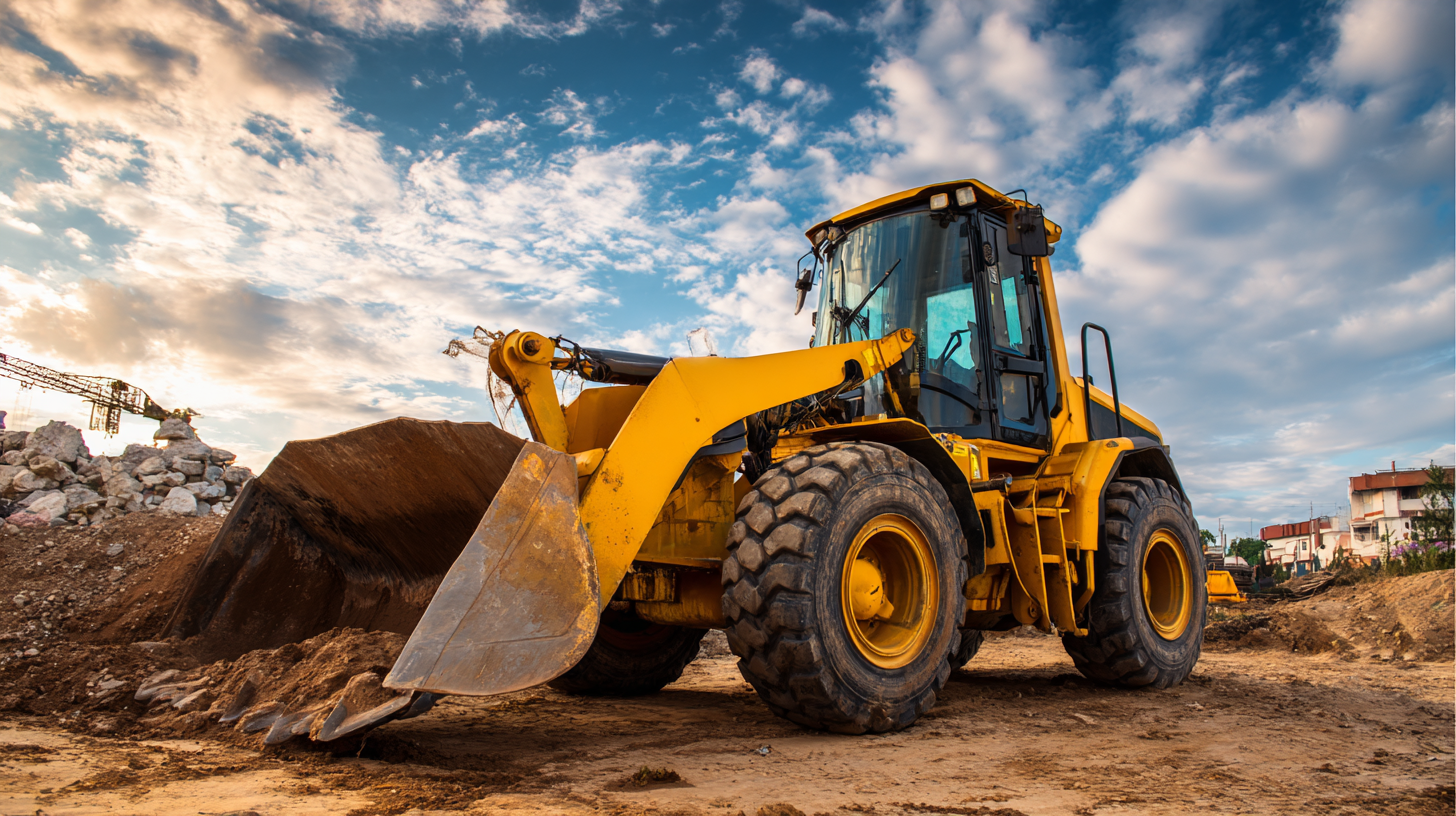
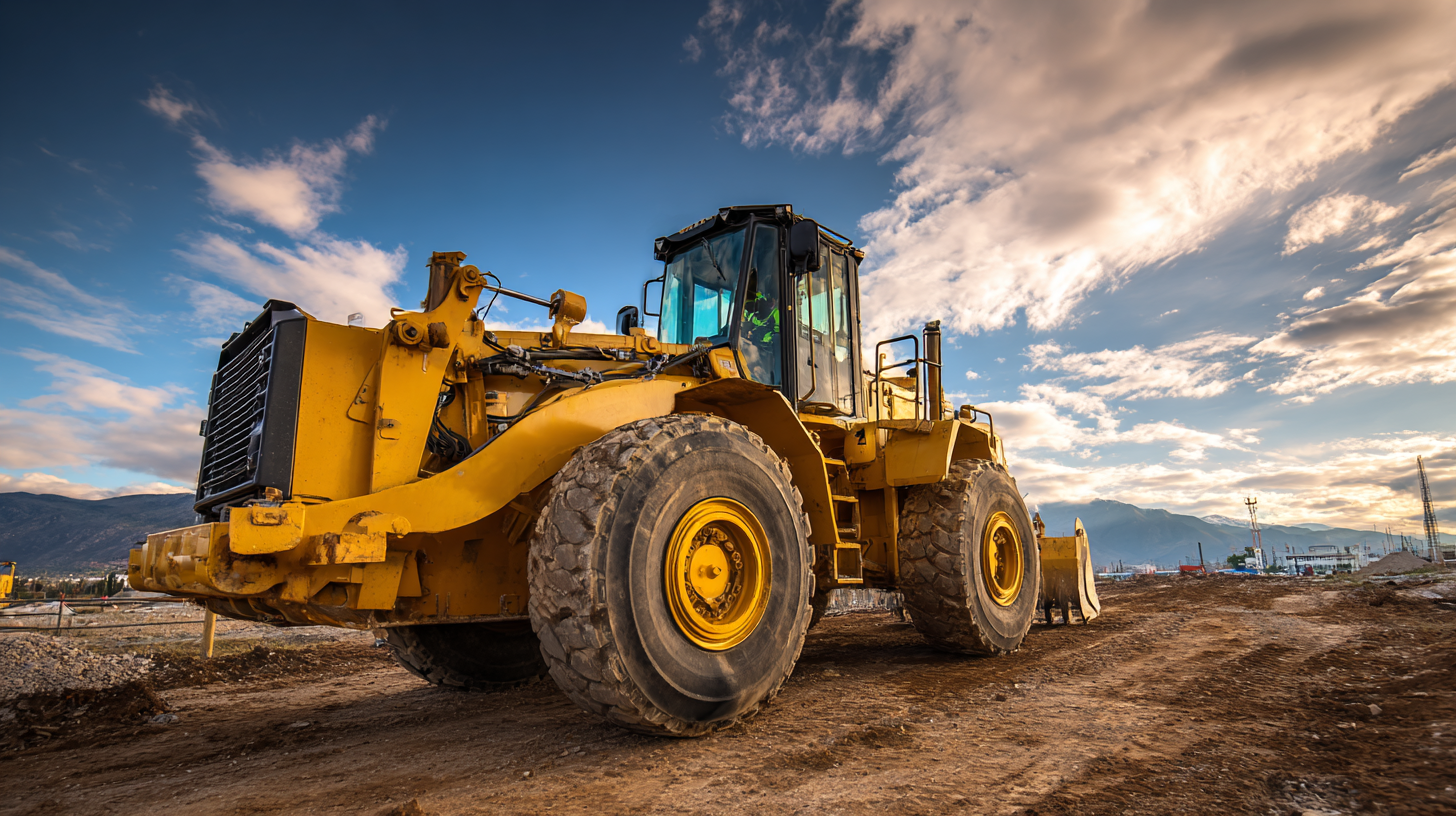 Proper maintenance of construction equipment is crucial for maximizing its lifespan and ensuring optimal performance on the job site. Regular checks and servicing can prevent costly breakdowns and extend the life of machines significantly. One essential practice is to maintain a consistent lubrication schedule. This reduces friction in moving parts, preventing wear and tear that can lead to major repairs. Additionally, operators should regularly inspect equipment for leaks, cracks, or any signs of wear. Spotting these issues early can save time and money by addressing problems before they escalate.
Another vital aspect of equipment maintenance is keeping machinery clean. Dust, dirt, and debris can accumulate, leading to decreased efficiency and potential damage. A thorough cleaning regimen should include both the exterior and interior components, ensuring that all machinery operates smoothly. Furthermore, creating a log for each piece of equipment helps track maintenance history, anticipated service dates, and any repairs done. This organized approach not only aids in keeping machines in top condition but also supports planning for future investments or replacements, making it an indispensable tool for every builder.
Trends in Construction Equipment Technology and Their Impact on Productivity
The construction industry is continually evolving, driven by advancements in technology that significantly enhance productivity. The integration of smart construction equipment, such as drones, automatic machinery, and IoT devices, has revolutionized the way builders operate. These innovations allow for real-time monitoring of projects, which minimizes delays and optimizes resource allocation. Builders can now analyze data on-site instantaneously, making informed decisions that streamline operations and reduce costs.
Moreover, the rising trend of automation in construction equipment further accelerates productivity. Equipment that incorporates artificial intelligence and machine learning adapts to varying job site conditions, improving efficiency and safety. For instance, robotic machinery can perform repetitive tasks with precision, freeing up skilled workers to focus on more complex activities. As the industry leans into these technological advancements, the traditional role of a builder is transforming, requiring a deeper understanding of both construction processes and the tools that power them.