How to Choose the Right BT Forklift for Your Business Needs?
Choosing the right Bt Forklift is crucial for businesses aiming to enhance efficiency and safety in their operations. According to the Materials Handling Institute, forklifts are essential for warehouses, contributing to 40% of logistics costs. Selecting the appropriate model impacts productivity directly.
BT forklifts offer diverse functionalities, making them suitable for various applications. Industry reports suggest that companies can increase warehouse efficiency by up to 25% with the right equipment. Still, the choice can be overwhelming, given the different sizes, capacities, and technological features available.
Understanding your specific needs is vital. Many businesses overlook factors like load capacity, lift height, and maneuverability. In some cases, this leads to overestimating their requirements. It's essential to reflect on both current operations and future growth when selecting a BT forklift. Doing so leads to better resource allocation and long-term satisfaction.
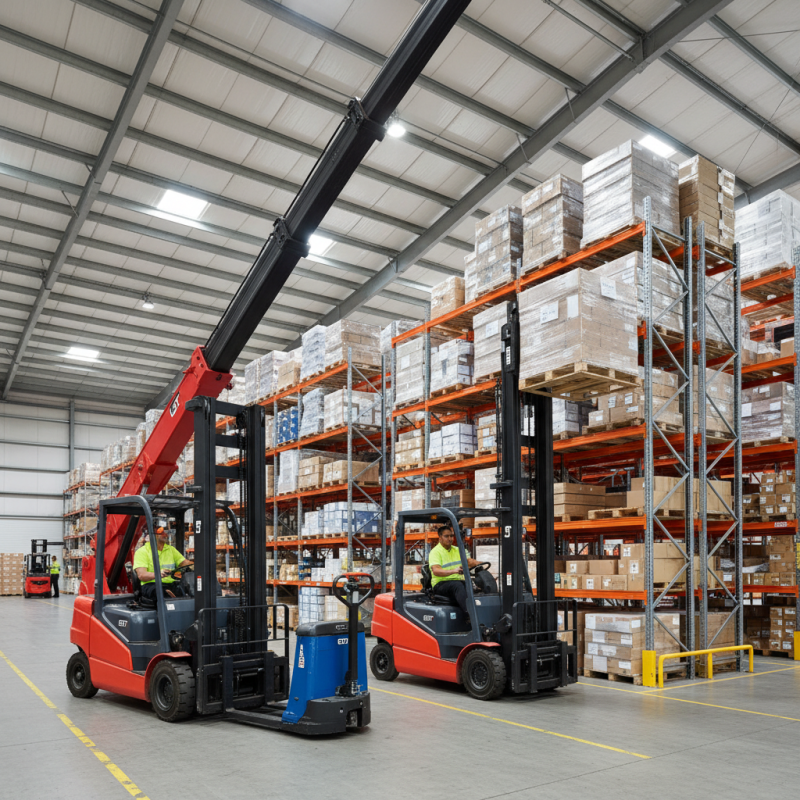
Understanding Different Types of BT Forklifts and Their Applications
When selecting a BT forklift, understanding the various types available is crucial. Electric forklifts are popular for indoor use. They offer low emissions and quiet operation. A recent industry report shows that electric models account for 60% of the market. They are ideal for warehouses and distribution centers. Their compact size allows for maneuvering in tight spaces, enhancing productivity.
Internal combustion forklifts, on the other hand, are suitable for outdoor applications. They handle heavier loads and uneven surfaces effectively. Data indicates that these forklifts are preferred in the construction and lumber industries, where durability matters. However, they require more maintenance and can be less environmentally friendly.
Choosing the right forklift depends on your specific operational needs. Consider load capacity, lift height, and environment. It is essential to assess your space and workload. Investing in the wrong type can lead to inefficiencies and increased costs. Reflecting on your business needs will guide you towards the best forklift solution.
Assessing Your Business Requirements for Forklift Capability
Choosing the right BT forklift requires a clear understanding of your business needs. Assessing your operational requirements can guide you in making the best choice. Consider the weight capacity you frequently handle. For example, are your loads consistently below a ton, or do you need to lift heavier items? This will significantly affect your forklift selection.
Tip: Regularly review your load requirements. Don't assume they won't change. Flexibility in operations is key.
Evaluate your workspace, too. Is it spacious or confined? Narrow aisles may need compact models. Operational environment matters. Indoor, outdoor, or mixed-use conditions will influence your decision.
Tip: Test a few models in real conditions. This helps identify what suits your space.
Consider the technology you need. Advanced features like electric models or enhanced safety options could improve efficiency. However, these options might increase costs. Balance efficiency with budget constraints.
Tip: Compile a list of must-have features versus nice-to-haves. This helps in making informed choices.
Forklift Capacity Assessment for Different Business Needs
Evaluating Forklift Specifications: Load Capacity, Lift Height, and Size
When selecting a BT forklift, understanding specifications is crucial. Load capacity determines how much weight the forklift can handle. For instance, a model with a 5,000-pound capacity might seem perfect, but this depends on your typical loads. Consider double-checking your maximum needs.
Lift height is equally important. A standard lift height might be around 15 feet, suitable for most warehouses. However, if your racks are taller, you may need a model that can reach 20 feet or more. A mismatch here can lead to inefficiencies and safety issues.
The size of the forklift can impact maneuverability in tight spaces. A compact model may fit well in narrow aisles but might sacrifice load capacity. Reflect on your workspace. Assessing these specifications can reveal what might not work as expected. Decisions made without thorough evaluation can lead to costly mistakes in the long run.
Considering Operating Environment and Safety Features for Forklifts
When selecting a BT forklift, understanding the operating environment is essential. A study from the Material Handling Industry found that 70% of accidents occur due to inadequate safety measures. This highlights the importance of assessing your workspace. Consider factors like aisle width, surface conditions, and the type of loads being handled. Narrow aisles may require compact, maneuverable forklifts, whereas rough surfaces might necessitate rugged models.
Safety features are paramount in reducing workplace incidents. Look for forklifts equipped with features such as stability control, automatic braking, and clear visibility. According to the National Safety Council, workplaces with proper safety equipment can reduce accidents by 50%. Understanding safety certifications is also critical. Forklifts should meet specific industry standards to ensure reliability.
**Tips:** Always involve your team in the selection process. Their insights on operational challenges can be invaluable. Review maintenance requirements and ensure you have the necessary support. Consistent training on safety and operational protocols can further enhance workplace safety. Reflect on past experiences with equipment—what worked, and what didn’t? This reflection can guide your decision-making.
Budgeting and Cost Analysis for Your BT Forklift Investment
When investing in a BT forklift, budgeting is crucial. Start by assessing your operational needs. Consider factors such as load capacity, lifting height, and frequency of use. Your choices will greatly influence costs. A high-capacity model may seem appealing but could impact your budget significantly.
After identifying your needs, analyze all associated costs. Think about maintenance and repair expenses. These can add up over time, influencing your total investment. Don’t forget training costs for operators. Skilled operators can enhance efficiency and safety. Also, track fuel or energy consumption. This can lead to long-term savings.
Reflect on whether you require a new or used model. New forklifts offer the latest technology but at a premium price. Meanwhile, a used forklift may come with lower upfront costs but could have hidden maintenance issues. Weigh these options carefully. Each choice has its pros and cons, and a thorough analysis will help ensure you make the right decision for your business.