2026 How to Choose Flange Hexagon Bolts for Global Sourcing?
Selecting the right flange hexagon bolts can be challenging. Understanding the specific requirements of your project is crucial. These bolts are essential in various applications, providing strength and stability.
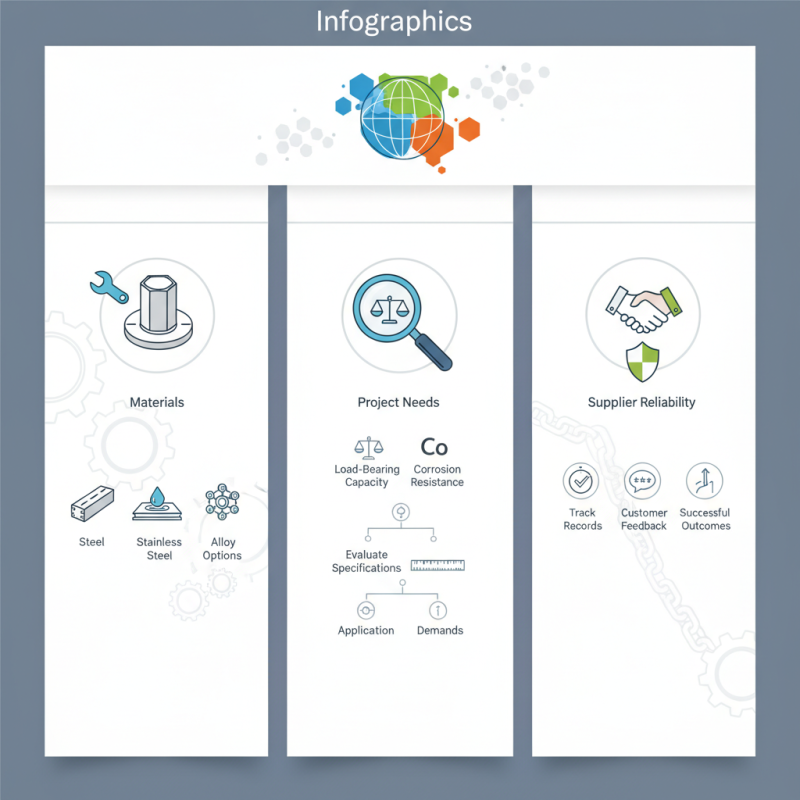
When sourcing flange hexagon bolts globally, consider material options. Steel, stainless steel, and alloy options may suit different needs. Ensure you evaluate the specifications carefully. Each application has unique demands, from corrosion resistance to load-bearing capacity.
Finally, reliability in your suppliers is vital. Examine their track records and customer feedback. This helps you avoid potential pitfalls in sourcing decisions. Being diligent in your choices will lead to successful outcomes in your projects.
Factors to Consider When Selecting Flange Hexagon Bolts
When selecting flange hexagon bolts, several factors are crucial. Material type is essential. Common choices include carbon steel, stainless steel, and alloy steel. Each material has distinct properties that affect strength and corrosion resistance. For example, stainless steel offers superior resistance to rust, making it suitable for outdoor applications. Conversely, carbon steel is favored in high-stress environments due to its strength.
Thread specifications also matter. The standardization of bolts allows for better compatibility. Proper thread engagement ensures a secure fit, avoiding loosening under vibration. A study by the Fastener Quality Act highlights that improper thread specifications account for 15% of failures in industrial applications.
Tip: Always verify your bolt dimensions against project requirements. Sometimes, a small miscalculation can lead to major project delays.
Another consideration is the bolt's finish. Surface treatments can enhance performance. For example, a zinc coating can protect against corrosion. However, not all finishes are suitable for every environment. Be aware that a mismatch can lead to premature failures.
Tip: Consult with experts if uncertain. Their insights can help avoid costly mistakes in the sourcing process. Always prioritize your specific needs over generic solutions.
2026 Global Sourcing of Flange Hexagon Bolts: Key Factors to Consider
Understanding Different Materials for Flange Hexagon Bolts
When selecting flange hexagon bolts, understanding materials is crucial. Various materials offer different properties that affect performance. Common options include stainless steel, carbon steel, and alloy steel. Stainless steel resists corrosion, making it ideal for outdoor applications. Carbon steel, often treated, provides strength but may rust without proper coatings. Alloy steel combines elements to enhance hardness, useful in high-stress environments.
Each material has pros and cons. Stainless steel might be too expensive for some projects. Carbon steel can weaken over time if exposed to moisture. Alloy steel provides excellent strength but can be brittle. Knowing these factors helps in making informed choices.
Moreover, sourcing hinges on regional availability. Not all materials are equally accessible worldwide. Local supply chains may limit options or increase costs. This creates a need for careful planning and assessment when selecting bolts. Diligence in material understanding is essential for successful global sourcing.
Evaluating Specifications and Standards for Global Sourcing
When sourcing flange hexagon bolts globally, understanding specifications is paramount. According to the ASTM International standards, different grades of bolts offer varying tensile and yield strength. For instance, Grade 2 bolts are suitable for general applications, but they may not meet the requirements of high-stress environments.
When evaluating specifications, consider the material. Stainless steel bolts resist corrosion better than carbon steel. However, they are often more expensive. Recent industry data shows that about 30% of manufacturers overlook corrosion resistance when selecting bolts. This can lead to premature failures and additional costs.
Furthermore, familiarity with ANSI and ISO standards is essential. These organizations provide guidelines that ensure consistency and safety. It’s also notable that around 25% of sourcing decisions may ignore certifications entirely, raising quality concerns. This gap reflects a need for better education on standards compliance in the sourcing process.
Sourcing Strategies for Flange Hexagon Bolts in Global Markets
Sourcing Flange Hexagon Bolts requires a clear understanding of global markets. Different regions have distinct standards and specifications. Familiarizing yourself with these can improve your procurement strategy. Consider the material specifications, such as grade and corrosion resistance, which vary significantly across manufacturers and countries.
Establishing relationships with reliable suppliers is crucial. Attend international trade fairs and engage with manufacturers directly. This face-to-face interaction builds trust. However, be cautious. Not all offers are trustworthy. Evaluate the supplier’s history and credibility thoroughly. Doing so minimizes risks and ensures quality.
Leverage online platforms to compare options and read reviews. This method can provide insights into supplier reliability. However, reviews might be biased. Always cross-check information from multiple sources. Pricing is essential, but don't prioritize cost over quality. Subpar bolts can lead to significant project delays and safety hazards. Finding a balance between cost and reliability is a continuous journey.
Quality Assurance Measures for Flange Hexagon Bolts Procurement
In the realm of procurement, ensuring the quality of flange hexagon bolts is essential. Poor quality bolts can lead to structural failures, causing safety hazards and financial losses. According to a recent industry report, about 30% of manufacturing defects stem from substandard fasteners. To mitigate risks, companies must implement robust quality assurance measures.
One effective strategy involves rigorous supplier selection. Assessing manufacturers' certifications, production processes, and material sourcing practices ensures adherence to international standards. Industry guidelines recommend audits at least once a year. Additionally, testing samples for tensile strength and corrosion resistance can reveal manufacturing inconsistencies. A recent study highlighted that 18% of bolts tested failed to meet specified standards, underscoring the need for diligent checks.
Moreover, establishing clear communication with suppliers is crucial. Standards should be defined upfront to avoid misunderstandings. Frequent discussions about quality expectations can foster a culture of accountability. However, challenges persist. Suppliers may claim compliance without sufficient evidence. An emphasis on traceability in the supply chain allows companies to track materials back to their origin, ensuring reliability.