How to Choose the Best Heavy Duty Equipment for Your Needs?
Choosing the right heavy duty equipment is crucial for any project. The right tools can make or break efficiency and safety. This guide will help you navigate the options available.
Consider what type of work you will be doing. Different jobs require different heavy duty equipment. For instance, construction sites demand robust machinery. In contrast, landscaping work may call for specialized tools.
Evaluate the specifications and reliability of each option. Look for equipment that meets industry standards. It is important to reflect on your past experiences with various brands. Trustworthy brands often offer warranties and support. Selecting the right equipment can reduce costs and time for your projects. Aim for quality, but remain mindful of your budget.
Understanding Your Specific Heavy Duty Equipment Needs
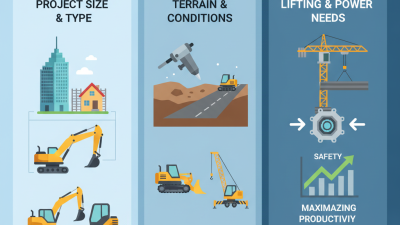
When selecting heavy duty equipment, understanding your specific needs is pivotal. Begin by evaluating the types of tasks you will perform. Are you lifting, digging, or transporting? Each function requires distinct machinery. For instance, a construction job may necessitate excavators, while a warehouse might need forklifts. Assess the weight, size, and intended use of the equipment. This awareness helps prevent costly mistakes.
Consider the operating environment. Will the equipment face rough terrains or confined spaces? This impacts the type of machinery best suited for your tasks. Additionally, think about your workforce's skill levels. Equipment that is too complex may lead to inefficiencies. Sometimes, simpler machines can be more effective and safer. Reflect on your current equipment—what works and what doesn’t? Identifying gaps in performance can guide your choices.
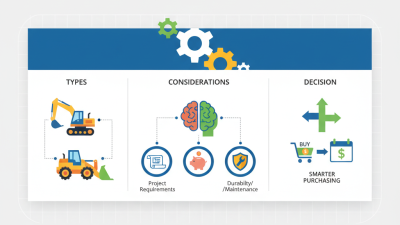
Budget constraints also factor into your decision-making. Heavy duty equipment can be an investment. Prioritize necessary features over unnecessary add-ons. Sometimes, you might overlook essential attributes while focusing too much on price. Evaluate the long-term benefits rather than just initial costs. Seek advice from industry experts to gain insights. Their experiences can help ensure you are making informed choices tailored to your needs.
Evaluating the Different Types of Heavy Duty Equipment Available
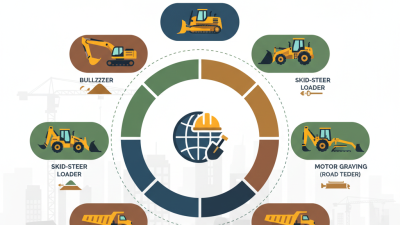
When evaluating heavy duty equipment, it’s essential to understand the various types available. The market offers a diverse range of machinery, each serving specific functions. Common types include excavators, loaders, and bulldozers. According to industry reports, excavators dominate the market with a projected growth rate of 6.5% annually through 2025. These machines excel in excavation tasks, versatile attachments, and impressive lifting capabilities.
Loaders are another popular choice. They are ideal for material handling and earthmoving tasks. The global loader market reflects a steady increase, driven by the rising demand in construction and mining sectors. While bulldozers are often recognized for their strength and durability, they can be less versatile than excavators. The choice between them comes down to the specific needs of your projects, such as space constraints and terrain conditions.
Considerations should include operational efficiency and maintenance requirements. Some equipment is rugged yet may require frequent repairs. A report from a leading industry analyst highlights that nearly 20% of heavy equipment fails to meet performance expectations in the first three years. Reflecting on this, it's crucial to research thoroughly and examine long-term costs versus initial investment. Being aware of these factors can significantly impact project success.
Heavy Duty Equipment Types and Their Popularity
Assessing Key Features and Specifications to Consider
When selecting heavy-duty equipment, it’s crucial to assess key features and specifications. Start with load capacity. Equipment must handle the maximum weight you expect to lift or transport. Consider the operating environment. Equipment designed for specific conditions often performs better. For instance, machines used in muddy sites require different tires than those on smooth pavements.
Another important consideration is the power source. Diesel engines are powerful but less environmentally friendly. Electric options are cleaner but might have limitations in heavy use. Examine durability as well. Materials like steel are often more reliable than plastic counterparts. Check maintenance requirements too. Frequent servicing might lead to higher operational costs over time.
Also, think about ergonomics. Operator comfort can affect efficiency and productivity. Controls should be user-friendly, minimizing fatigue during long hours. Investigate safety features, such as emergency brakes and protective barriers. These elements not only protect the operator but also extend equipment lifespan. Balancing these factors can be challenging, yet it’s vital for making an informed choice tailored to your specific needs.
Comparing Brand Reliability and Customer Reviews
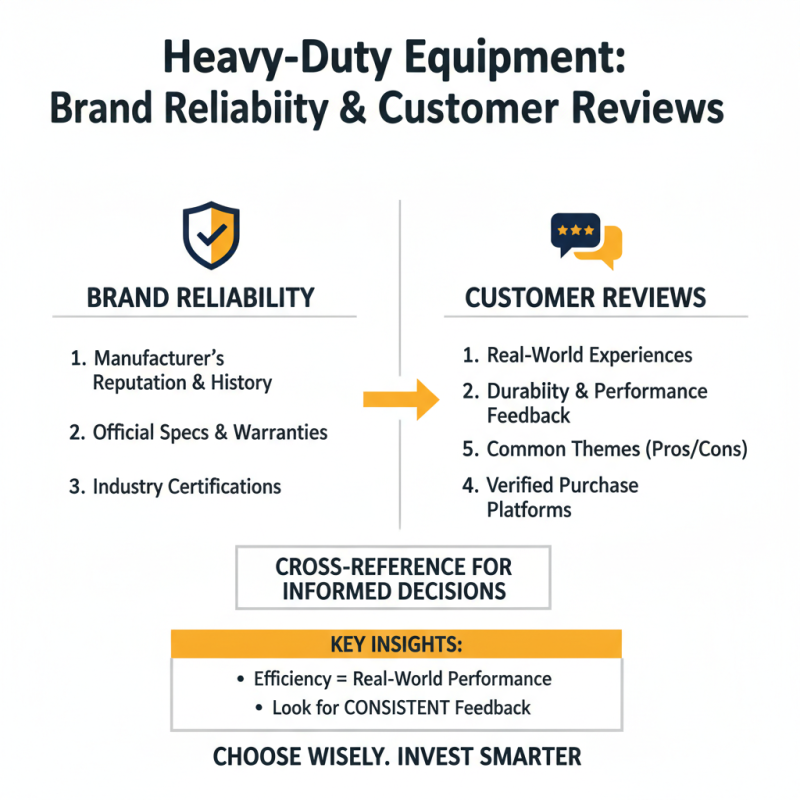
When choosing heavy-duty equipment, customer reviews can be incredibly telling. Users often share their experiences in detail. These insights help shape your purchasing decisions. Consider searching for platforms with verified reviews. Look for common themes in feedback, such as durability and performance. Equipment might get rave reviews for efficiency but can falter in real-world conditions.
Brand reliability is another essential factor. Long-standing brands usually have a track record. They often invest in quality materials and innovation. However, newer brands may surprise you with superior performance at competitive prices. Balancing reliability with innovation is crucial. Don’t ignore feedback from less known brands. Sometimes, the underdog can deliver impressive results.
Read carefully for issues that others mention repeatedly. Equipment that seemed flawless could have hidden faults. Reflect on how often reviews mention customer service experiences. This aspect can be as important as equipment performance. Trust is built through consistent, positive interactions. Choosing heavy-duty equipment is multi-faceted. Always assess reviews critically and match them to your specific needs.
Budgeting for Purchase and Maintenance of Heavy Duty Equipment
Budgeting for heavy-duty equipment is crucial. It involves more than just the purchase price. Always consider long-term maintenance costs. These might include repairs, inspections, and even potential upgrades. When planning your budget, think about the total cost of ownership. This way, you avoid unexpected financial strains down the road.
Research common maintenance issues related to the equipment type. These often require budget allocation. It's wise to set aside a contingency fund, about 10% of your purchase cost. Unexpected breakdowns can lead to delays and lost revenue.
Consider the cost of specialized training as well. Proper training ensures safe and effective operation. This can prevent costly accidents and repairs. It might seem like an extra expense, but it pays off with efficiency in the long run. Balancing your budget with these factors requires careful planning and regular evaluation.