
The Bow Type Laying Up Machine is a precision tool for bringing insulated wires together into a stable cable core. Its bow rotates around the cable axis, laying conductors in a controlled pattern. On a factory floor, that means attention to tension, line speed, bow balance, and the finished cable’s geometry—not just headline production capacity.
The wider market gives this equipment context. Fortune Business Insights reported that the global wire and cable market was valued at about USD 202.64 billion in 2023, with growth projected through 2032. That figure describes the broader cable market, not demand for laying-up machines alone. Buyers should keep that distinction clear. A market forecast cannot replace a production trial.
This guide examines ten manufacturers and compares practical details: machine configuration, conductor range, operating speed, automation, and service support. Small differences matter. A poorly matched tension system can leave visible irregularities in the laid core, even when a brochure promises high output. Manufacturer claims also deserve careful checking against a buyer’s actual materials and shift conditions.
No independently verifiable, named expert quotation specific to Bow Type Laying Up Machine technology was supplied for this introduction. Rather than invent one, this guide focuses on checkable criteria and published market context. That is less dramatic. It is more useful.
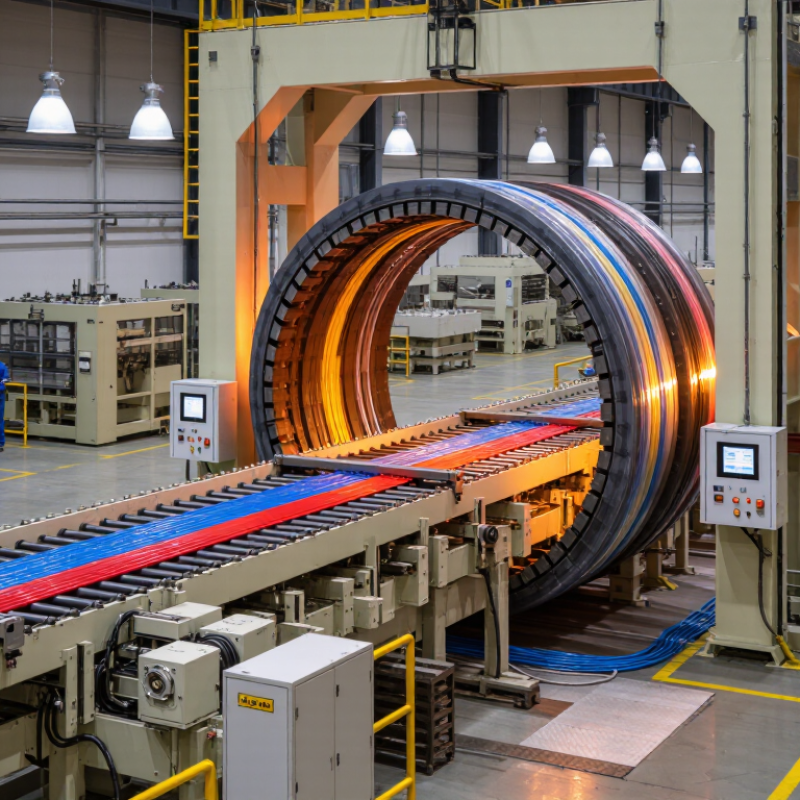
A bow type laying-up machine brings several insulated conductors together around a central core. Its rotating bow carries wires through a controlled path, while guides help maintain spacing and direction. The machine is commonly used to assemble power, control, and communication cables. The finished lay can affect cable flexibility, roundness, and performance during later production.
Operators adjust line speed, wire tension, and lay length to suit the conductor size and cable design. Uneven tension may leave loose strands or create a lumpy surface. A neat lay is not automatically a sound cable. Check the assembled core for consistent diameter and visible gaps before it moves to the next process. Results also depend on material condition and careful setup, so one setting may not suit every job.
Tips: Confirm each wire pays off smoothly before starting. Check guides for wear, and keep the bow area clear. Small details matter. Record successful tension and lay-length settings, but verify them again when materials or conductor sizes change. A brief trial run can reveal problems early. When the core looks uneven, stop and inspect rather than assuming the next process will correct it.
Bow-type laying-up machines bring insulated cores together into a cable assembly. The chart shows examples of common multi-core constructions—not market-share figures. Actual designs vary by cable type and application.
Examples include three- to five-core power cables and multi-core control cables. The required machine setup depends on the cable design, core size, and production requirements.
How Bow Type Laying-Up Machines Work
A bow-type laying-up machine brings several insulated wires or cable cores together around a shared axis. Depending on its design, a rotating bow carries pay-off reels or guides around the central core. As the bow turns, the wires pass through a closing die, forming a stable, helical bundle. A capstan pulls the finished cable forward, while the take-up reel winds it evenly. Bow speed and line speed together determine the lay length. Small errors matter. Uneven tension can leave loose strands, flattened insulation, or a cable that twists during winding.
Operators monitor reel tension, bow vibration, die alignment, and take-up speed during production. A setup sheet can look perfect, yet actual wire behavior may disagree. This is why trial runs and measured samples remain useful. The International Energy Agency’s 2023 report, Electricity Grids and Secure Energy Transitions, estimates that 80 million kilometres of grids will need to be added or refurbished by 2040. It also says annual grid investment must rise above 600 billion US dollars by 2030. These figures indicate substantial infrastructure demand, but they do not directly measure machine output or cable-line productivity.
Tips: Start with a short, low-speed run. Check each core’s tension and inspect the lay length at several points. If the cable shows birdcaging or uneven pitch, stop and adjust before increasing speed.
| No. | Machine Element or Evaluation Dimension | How It Works | Practical Specification to Check |
|---|---|---|---|
| 1 | Pay-off stands | Hold the individual wire or cable reels and feed conductors into the stranding section. The number and arrangement of stands depend on the required product construction. | Confirm the supported reel dimensions, loading method, and number of pay-off positions. |
| 2 | Tension control | Applies controlled resistance to material as it unwinds. Consistent tension helps reduce slack and uneven feeding during operation. | Ask how tension is adjusted and whether it can be set separately for each pay-off position. |
| 3 | Wire guides and alignment | Guide the incoming wires along their intended paths toward the gathering point, helping keep the feed orderly before laying-up. | Check guide compatibility with the conductor size and insulation type specified for the job. |
| 4 | Rotating bow | The bow rotates around the material path to impart a helical lay to the conductors. Bow-type designs are commonly used for laying up insulated wires and cables. | Verify the machine’s permitted operating speed and the product constructions it is designed to handle. |
| 5 | Gathering die | Brings the individual conductors together at the forming point. The die helps guide the assembled group into the selected configuration. | Confirm the available die sizes and whether the required cable construction needs a dedicated die. |
| 6 | Lay-length adjustment | Lay length is the distance along the cable over which a strand makes one complete turn. Changing machine settings changes the resulting lay length. | Request the achievable lay-length range for the intended product and the method used to adjust it. |
| 7 | Central or auxiliary feed | Some configurations feed an additional core or filler through the center while surrounding conductors are laid around it. | Check whether the required central element, filler, or core can be fed by the proposed configuration. |
| 8 | Take-up unit | Pulls and winds the finished laid-up product onto a receiving reel. Take-up speed and winding control affect the handling of the finished length. | Match the take-up reel capacity and winding arrangement to the planned production run. |
| 9 | Drive and control system | Coordinates machine motion and allows the operator to set or monitor operating parameters. Control features vary by machine configuration. | Ask which parameters are adjustable, what safety interlocks are fitted, and what electrical supply is required. |
| 10 | Application and acceptance testing | Bow-type laying-up machines are selected according to the conductor materials, cable construction, production requirements, and applicable process needs. | Provide a sample product specification and request a trial or acceptance test against agreed production criteria. |
This manufacturer-neutral table explains common machine functions and comparison points. Actual configurations and operating limits vary by model; confirm specifications with the equipment supplier before purchase.
When assessing Chinese bow type laying up machine manufacturers, look beyond catalog specifications. A machine may list impressive speed, but stable operation depends on yarn tension, bow geometry, and control accuracy. Ask how the supplier measures these factors and request test records from a comparable configuration. Ask for evidence.
Inspect the production area, not just the showroom. Check weld consistency, machined surfaces, cable routing, and whether guards allow practical maintenance. During a trial run, observe how the machine handles a change in yarn tension and whether the finished lay-up remains even across its width. Small defects can matter.
Assess engineering support as carefully as equipment. Request drawings, electrical documentation, installation requirements, and a clear list of wear parts. Ask how technicians respond when a component fails and which spare parts are normally kept available. Speak with users of similar machines, if possible, and compare their experience with the supplier’s claims. No checklist removes every risk. I would still verify details in person, because a neat document does not prove a machine will perform well on the factory floor.
China’s Top 10 Bow Type Laying-Up Machine Manufacturers are best compared by engineering capability, not by catalogue size alone. A bow-type machine guides conductors into a controlled laying pattern, so stable tension and accurate bow alignment matter. Buyers can ask how a manufacturer handles different conductor diameters, lay lengths, and production speeds. Requesting a sample run is useful. Watch the cable as it passes through the bow: uneven spacing or vibration may reveal problems that a specification sheet cannot show.
A practical assessment should also cover frame rigidity, drive control, guarding, and access for routine maintenance. Ask for installation requirements, operator training, spare-parts availability, and service response times in writing. These details affect production long after delivery. Good questions, not glossy claims. Factory visits or live video demonstrations can help buyers inspect workmanship and observe a machine under load. Still, one demonstration is only a snapshot; actual performance depends on the cable design, setup, and operator skill. Some comparisons remain imperfect, especially when suppliers use different test conditions. Clear acceptance criteria and documented trials make the final choice more reliable.
A “top 10” comparison of China’s bow type laying up machine manufacturers is most useful when it examines technology, capacity, and service side by side. Catalog speed alone cannot show how a machine performs with your cable design. Check forming accuracy, control stability, lay-length range, and compatibility with your materials. Ask for a production trial using representative conductors, then inspect strand alignment and surface consistency. Test conditions matter.
Capacity figures need context. Confirm whether quoted output reflects continuous operation or a short demonstration, and ask about changeover time between cable specifications. For technology, look for clear operating data, accessible controls, and practical safety features. Service also deserves scrutiny: clarify installation support, operator training, spare-parts availability, and typical response channels. A polished specification sheet is helpful, but it cannot replace evidence from a relevant trial. Some comparisons still leave gaps; note them rather than assuming every supplier measures performance the same way.
Tips: Share your cable drawings and target output before requesting a quotation. Ask for a written test plan and service scope. If possible, observe a full production run—not just a sample.
