
China Top 10 180 Degree Concealed Hinge Manufacturers?

A 180 Degree Concealed Hinge must do more than disappear inside a cabinet. It should open smoothly, hold its alignment, and tolerate repeated use. Buyers can feel the difference when a loaded door swings without scraping, then closes evenly against the cabinet face. Small details matter: opening angle, cup depth, mounting plate, adjustment range, and tested cycle life. Yet public market reports rarely separate 180-degree concealed hinges from wider furniture hardware categories. That limits what market-size figures can prove.

Grand View Research reported that the global furniture market was valued at USD 650.7 billion in 2022, with projected growth from 2023 to 2030. This is useful context, not a hinge-market estimate. No verified, hinge-specific industry expert quotation was supplied for this introduction, so attributing a polished sound bite to a named specialist would be misleading. That gap is worth acknowledging. For a useful China Top 10 manufacturers comparison, readers should look for documented specifications, material details, quality-control evidence, and clear warranty terms—not broad claims alone. A 180-degree opening may suit wide-access cabinets, but it can also require careful clearance planning. The right shortlist depends on the door, cabinet geometry, load, finish, and installation conditions. Manufacturers should be assessed against those practical needs, with claims checked against technical documents wherever possible.
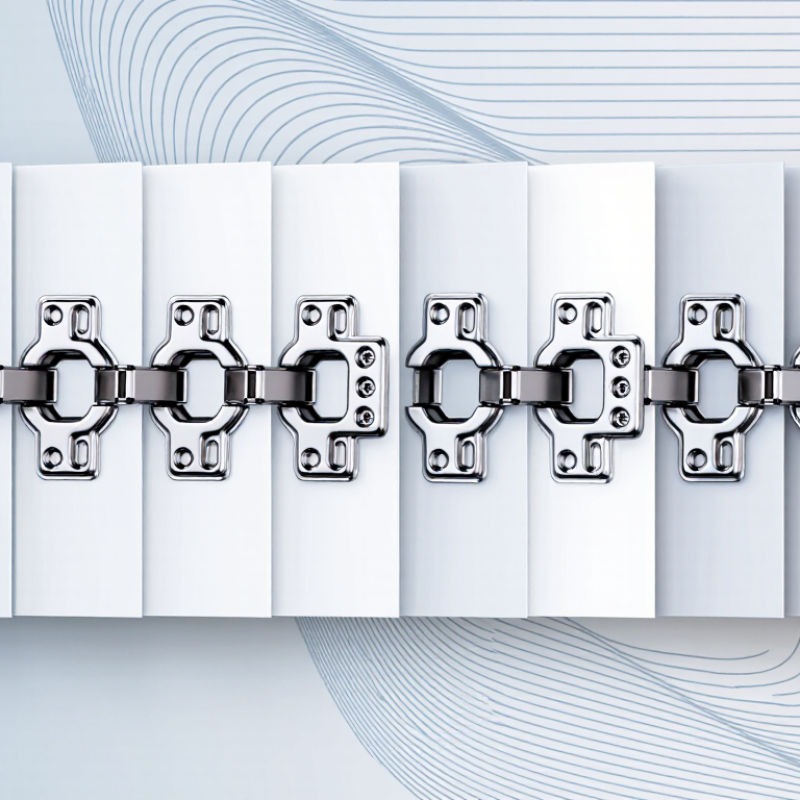
China Top 10 180 Degree Concealed Hinge Manufacturers?

What Is a 180-Degree Concealed Hinge?

A 180-degree concealed hinge lets a door swing widely while keeping most of its mechanism hidden when the door is closed. Its linked arms and pivot points sit inside routed pockets in the door and frame. When opened, the door can move close to a flat, clear position beside the cabinet or structure. That extra clearance helps when loading wide drawers, moving equipment, or reaching into a cabinet. Not magic. The actual opening angle depends on the hinge design and surrounding space.

Tips: Check the door thickness, frame depth, and required opening angle before choosing a hinge. Leave room for handles and nearby walls. A hinge rated for 180 degrees may open less if the installation blocks its path.

Mounting accuracy matters. Misaligned hinge pockets can cause uneven gaps, scraping, or a door that will not close smoothly. Load capacity, material, and adjustment range also affect everyday performance. Stainless steel may suit damp settings, while other finishes can work well indoors. In practice, the widest opening is not always the best fit; a door may strike a wall or expose stored items too much. A sample installation can reveal issues that measurements alone miss.

How Are 180-Degree Concealed Hinges Made and Used?

A 180-degree concealed hinge lets a door swing wide while keeping much of its mechanism hidden when closed. Its linked arms and pivot points are usually made from stamped or machined steel; some applications call for stainless steel. The exact construction varies. Small differences in arm geometry can affect clearance, load capacity, and how the door sits against its frame.

Manufacturing often begins with cutting or stamping metal components, followed by forming, drilling, and deburring. Pins and linkages are assembled to create a controlled opening path. A protective finish can help resist wear and corrosion, depending on the material and intended environment. Quality checks may include repeated opening cycles, load tests, and inspections for uneven movement. Smooth action matters. A hinge that passes a basic fit check may still feel stiff after repeated use, so testing should reflect real operating conditions.

These hinges are used on cabinet doors, access panels, and other doors that need broad opening access with concealed hardware. Installers should check door thickness, mounting depth, frame clearance, and the required opening angle before fitting them. Careful alignment helps prevent rubbing and uneven gaps. One detail is easy to miss: a 180-degree rating does not guarantee that every door and frame combination will open fully. Actual clearance depends on the hinge design and surrounding surfaces.

China Top 10 180 Degree Concealed Hinge Manufacturers? - How Are 180-Degree Concealed Hinges Made and Used?

Technical reference: ten key manufacturing and application considerations for 180-degree concealed hinges. This overview does not rank or identify manufacturers; specifications vary by hinge design.

No. Dimension Manufacturing or application details Practical consideration
1 Opening angle A hinge described as 180-degree is designed to let the door swing open to approximately 180 degrees under its intended installation conditions. Actual travel depends on hinge geometry, door position, frame, and surrounding clearance.
2 Concealed construction The hinge mechanism sits in recesses in the door and frame, so much of it is hidden when the door is closed. Accurate recess dimensions and alignment are important for a clean fit and smooth movement.
3 Common materials Depending on the design and intended environment, hinge parts may be made from steel, stainless steel, or zinc alloy. Material choice affects strength, corrosion resistance, appearance, and cost.
4 Forming and machining Metal components may be produced through processes such as stamping, die casting, or machining, followed by finishing operations where needed. The process is selected according to component shape, material, production volume, and required tolerances.
5 Pivot and linkage Pins and linked hinge sections create the pivoting motion that guides the door between closed and open positions. Joint fit and component alignment affect movement, wear, and operating feel.
6 Surface finish Finishes may include plating, coating, or polishing, depending on the base material and the required appearance or protection. For damp or corrosive environments, check the product’s stated corrosion-resistance information.
7 Door and frame preparation Installation commonly requires matching recesses or mortises in both the door and the frame, with the hinge secured using the specified fasteners. Follow the product’s installation drawing; incorrect recess depth or position can affect fit and swing.
8 Adjustment and alignment Some concealed hinge designs allow adjustment after installation, while others have limited or no adjustment features. Confirm the adjustment method and range before installation if precise door alignment is required.
9 Typical applications These hinges may be used on cabinetry, furniture, and selected doors where a concealed appearance and wide opening are useful. Suitability depends on the door construction, dimensions, mounting arrangement, and expected duty cycle.
10 Load and performance Load capacity and durability are product-specific and depend on hinge design, the number of hinges, mounting quality, and door characteristics. Use the manufacturer’s rated capacity and test information for selection; do not assume all 180-degree hinges have the same rating.

Selection note: Verify the opening angle, installation dimensions, door compatibility, material, finish, and rated load for the specific hinge before purchasing or fitting it.

How to Evaluate Chinese Concealed Hinge Manufacturers

When evaluating Chinese 180-degree concealed hinge manufacturers, look beyond polished samples. Request drawings showing opening angle, cup dimensions, overlay range, and adjustment limits. Then test a hinge on the actual cabinet door. A door that opens smoothly on a bench may sag after installation. Small details matter.

Material claims need evidence. The World Steel Association reported China produced 1,005.1 million tonnes of crude steel in 2024, about 53% of global output. That signals manufacturing capacity, not hinge quality. Ask for the steel grade, thickness, plating specification, and traceable material records. For corrosion checks, request salt-spray test reports stating the test method, duration, and sample condition. A bare “passed” is not enough.

Durability is practical. Ask for cycle-test results under a named furniture-hardware standard, including load, door size, and failure criteria. Check whether testing covers the complete hinge assembly, not just one component. Review batch inspection records and compare samples from separate production runs. I would also inspect screw holes and arm movement by hand; it is not a laboratory method, but it can reveal rough finishing. Mistakes happen. Confirm tolerances, packaging, and replacement-part handling in writing before placing a large order.

China’s Top 10 180-Degree Concealed Hinge Manufacturers

China’s Top 10 180-Degree Concealed Hinge Manufacturers

China has many hardware manufacturers offering concealed hinges for cabinets, doors, and furniture systems. Comparing the top 10 requires more than checking catalog prices. Buyers should review hinge material, opening angle, load capacity, adjustment range, and finish consistency. A true 180-degree opening can improve access, but the door and cabinet must provide enough clearance. Product designs vary.

Ask each manufacturer for technical drawings, installation instructions, and relevant test information. Check how the hinge performs with the intended door thickness and weight. Request samples when possible, then inspect screw placement, movement, and closing feel. A smooth sample matters, but production consistency matters more. Rankings can change with product type, order size, and service needs, so no single list fits every buyer.

Tips: Confirm the opening angle on the installed door, not only in a product description. Check adjustment access and replacement-part availability. Small details are easy to miss.

How to Choose a Manufacturer for Your Project

How to Choose a Manufacturer for Your Project

A 180-degree concealed hinge can look simple, but fit depends on the cabinet. Confirm door thickness, overlay or inset design, cup dimensions, and required clearance before comparing suppliers. Ask for a technical drawing, not just a product photo. Check the rated load against the actual door weight, including its handle and finish. Smooth movement matters. So does consistent alignment across a full order.

A common sourcing mistake is approving one sample and assuming every production unit will match. Request samples from the intended production process, then test the opening angle, closing action, and mounting adjustment on your own cabinet material. Ask how the manufacturer checks dimensions and cycle performance. Clear answers are useful; vague promises are not. Also confirm packaging, delivery schedule, and how defects are handled. One detail may still be missed, so record agreed specifications in writing.

Tips: Share a cabinet drawing and door-weight estimate. Request installation instructions and spare screws. Test several samples, not only one. If the project has unusual clearances, discuss them before tooling or bulk production begins. A short video of the hinge mounted on a similar door can reveal rubbing or awkward movement early.