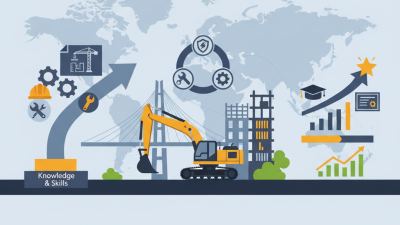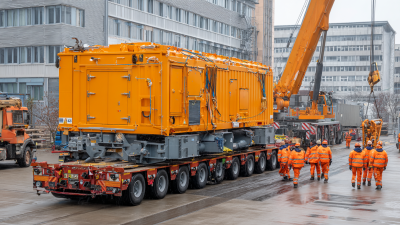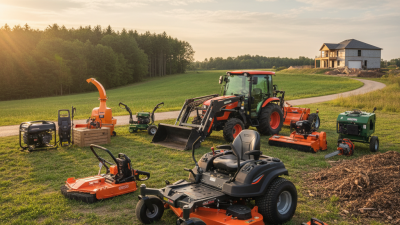
Learning to operate heavy equipment is crucial in today’s job market. According to the Bureau of Labor Statistics, the demand for heavy equipment operators is projected to grow by 10% over the next decade. This surge highlights the importance of training programs tailored for aspiring operators. Industry expert Sarah Johnson, a veteran in heavy machinery training, emphasizes, "Hands-on training is essential for mastering equipment operation."
Many people dive into this field but lack the proper skills. It’s essential to understand that not everyone has a natural aptitude for heavy machinery. Some struggle with mastering controls and understanding safety protocols. By focusing on formal training and continuous practice, operators can build confidence and competence.
Programs often combine classroom instruction with practical experience. Real-world scenarios can help bridge theory and practice, yet many new operators find it challenging at first. Recognizing the need for improvement is part of the journey in learning to operate heavy equipment. Through dedication and the right resources, anyone can become proficient, even if initial attempts feel daunting.
Heavy equipment operator certifications are vital for anyone wishing to work in this field. These credentials add to your credibility and show employers that you possess the necessary skills. The importance of a certification cannot be overstated. It demonstrates your commitment to safety and technical proficiency.
When seeking a certification, consider industry standards. Research what employers expect in your area. Completing a training program from a recognized institution can enhance your knowledge. Practice is equally crucial. Gaining hands-on experience builds confidence and skill, which are essential in this competitive field.
Here are some tips to keep in mind. Enroll in online classes or workshops if you're busy. Many programs offer flexibility, allowing you to learn at your pace. Join local industry associations as they often provide valuable networking opportunities and resources. Take advantage of community college courses for affordable training options. Engaging with other operators can offer insights into common pitfalls. Reflect on your progress and adapt. Continuous learning will keep you relevant in this ever-evolving field.
When considering how to learn heavy equipment operation, the choice of training program is crucial. Colleges often offer structured programs. These programs may include classroom instruction and hands-on practice. Students can earn degrees or certifications. They might delve deep into the mechanics of equipment, which can enhance safety and efficiency.
Trade schools provide a different approach. They focus more on practical skills than theory. The programs are usually shorter and more intensive. Students spend a lot of time in simulators and real machines, meaning more seat time and less lecture time. However, some may find the lack of in-depth theory a disadvantage.
Both paths have merits and limitations. Colleges may expose students to a broader range of topics. But the trade school model can be more cost-effective. It's essential to consider your goals. Do you want more theory or hands-on experience? Reflecting on these questions can guide your decision.
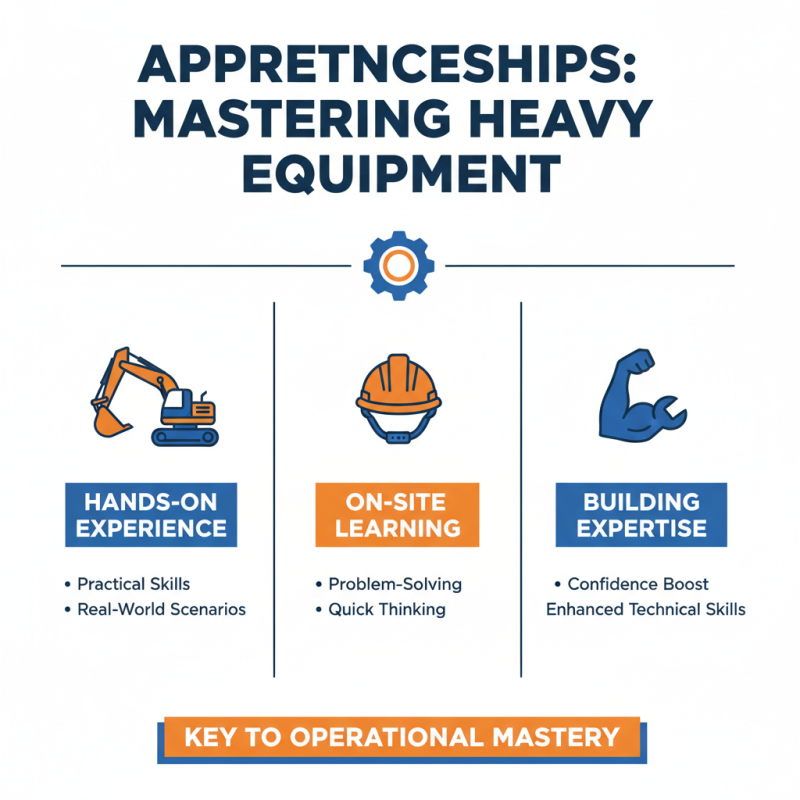
Apprenticeships play a vital role in mastering the operation of heavy equipment. They offer hands-on experience that classroom training simply cannot replicate. Being on-site allows learners to understand real-world challenges. They can face unexpected situations that require quick thinking. This practical exposure builds confidence and enhances technical skills.
During these apprenticeships, individuals work under experienced operators. They gain insights into best practices and safety protocols. It's not all smooth sailing, though. Mistakes happen, and they are often the best teachers. Each error offers a lesson, reinforcing skills and decision-making.
Furthermore, working in diverse environments exposes apprentices to various machinery and conditions. Some may struggle initially with certain types of equipment. This can be frustrating, yet it is an essential part of the learning curve. Regular feedback from mentors can inspire growth. They help apprentices turn weaknesses into strengths.
Simulation technology plays a crucial role in training individuals to operate heavy equipment safely. This method provides realistic experiences without the dangers of real-world operation. Trainees can risk-free become familiar with machinery controls. They can practice in various scenarios, such as navigating tight spaces or adverse weather conditions. This hands-on approach enhances learning retention and boosts confidence.
Tips to enhance the training experience include paying attention to detail. Observe the nuances in equipment operation. Each machine is unique. Understand its specific requirements. Asking questions during simulations promotes active learning. Sometimes, things may not go as planned. Reflecting on mistakes can foster growth. Mistakes are part of the journey. Embrace them as learning opportunities.
Another effective tip is to incorporate feedback. After each simulation session, gather insights from instructors. Understand what went well and what needs improvement. This constructive criticism is invaluable in perfecting skills. The aim should always be continuous improvement. Focus on refining your ability to adapt and respond to challenges. Remember, mastery takes time and practice.
Networking plays a crucial role in the heavy equipment industry. Building connections helps aspiring operators gain insights and access valuable resources. According to a report by the Construction Industry Institute, over 70% of new job placements come from networking. Connecting with experienced professionals can enhance your learning journey significantly.
Finding a mentor can be transformative. A mentor can provide advice, share experiences, and guide you through challenges. Research shows that 65% of mentees feel more confident in their skills due to mentorship. Attending industry events, trade shows, and workshops increases opportunities to meet potential mentors. Social media platforms can also be useful for building professional relationships.
Engaging with industry organizations is another way to enrich your network. Many organizations offer resources like training programs and certification opportunities. They often have local chapters that facilitate connections with other professionals. However, the effectiveness of networking depends on your effort and willingness to reach out. Building genuine relationships takes time and patience. Not every connection will lead to success, but being open-minded can lead to unexpected opportunities.
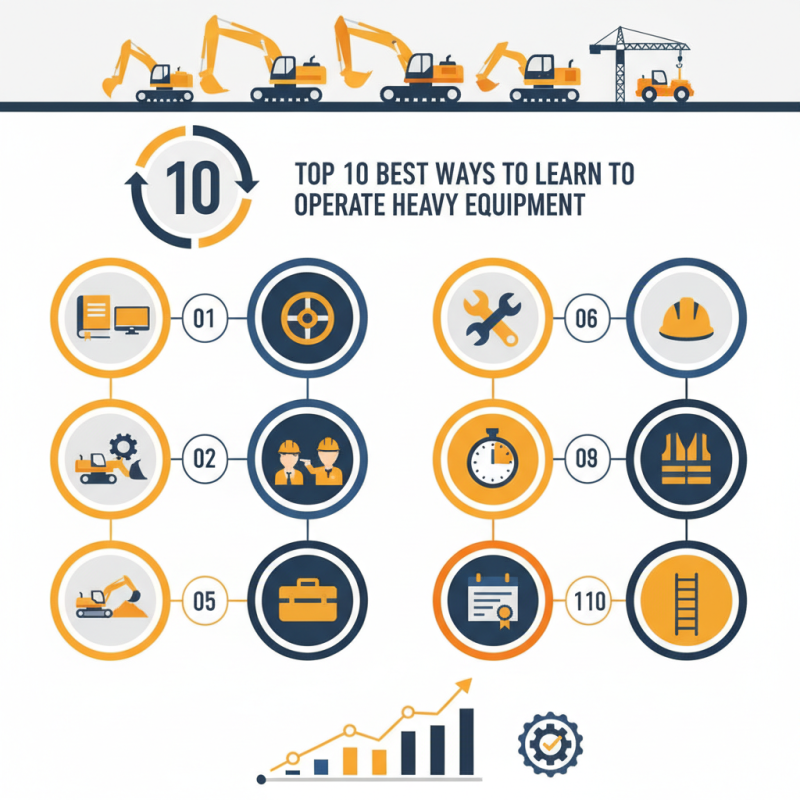
| Method | Description | Benefits | Resources |
|---|---|---|---|
| Formal Training Programs | Structured courses offered by educational institutions. | Comprehensive knowledge and certification. | Community colleges, technical schools. |
| Apprenticeships | Hands-on experience under a skilled mentor. | Real-world experience and networking. | Industry connections. |
| Online Courses | Flexible learning through various platforms. | Self-paced study and convenience. | MOOCs, industry websites. |
| Workshops and Seminars | Short-term training events focusing on specific skills. | Focused skill development and networking. | Industry associations. |
| Simulators | Virtual training environments for equipment operation. | Safe learning space with immediate feedback. | Training centers. |
| Mentorship | Guidance from experienced operators. | Personal insights and real-world advice. | Industry contacts. |
| On-the-Job Training | Learning through direct hands-on experience. | Practical skills and immediate application. | Current employment opportunities. |
| Networking Events | Gatherings to meet and learn from industry professionals. | Building connections and discovering opportunities. | Trade shows, conferences. |
| Equipment Demonstrations | Live showcases of equipment capabilities. | Understanding machinery functions and features. | Manufacturers' events. |
| Reading Manuals and Guides | Studying equipment documentation and best practices. | Knowledge of safety and operational protocols. | Manufacturer resources. |