

7 Best Maize Flour Mill Machines for Sale?
Choosing a maize flour mill is not just a matter of comparing prices. The right equipment should match your grain supply, production target, available space, and power source. A small village mill has different needs from a commercial plant producing flour throughout the day.
This guide explores seven Maize Flour Mill Machine options for sale, from compact units to larger processing systems. Each type can differ in capacity, grinding method, flour texture, energy use, and maintenance needs. These details matter. For example, a machine that produces fine flour quickly may require more power or closer attention to wear parts. Ask suppliers for verified capacity figures, installation requirements, warranty terms, and references from comparable operations.
There is no single best choice. A lower purchase price may be appealing, but shipping, spare parts, cleaning, and downtime can change the real cost. Some product listings also leave important details unclear. That deserves a second look. Before ordering, confirm what is included, such as a sieve, elevator, or packaging equipment, and check whether the machine handles your preferred maize variety and moisture level.
The options below are intended to help buyers compare practical features, not promise identical results from every setup. Actual output depends on grain condition, operator skill, and local operating conditions. Use the list as a starting point, then request technical documents and a clear quotation.
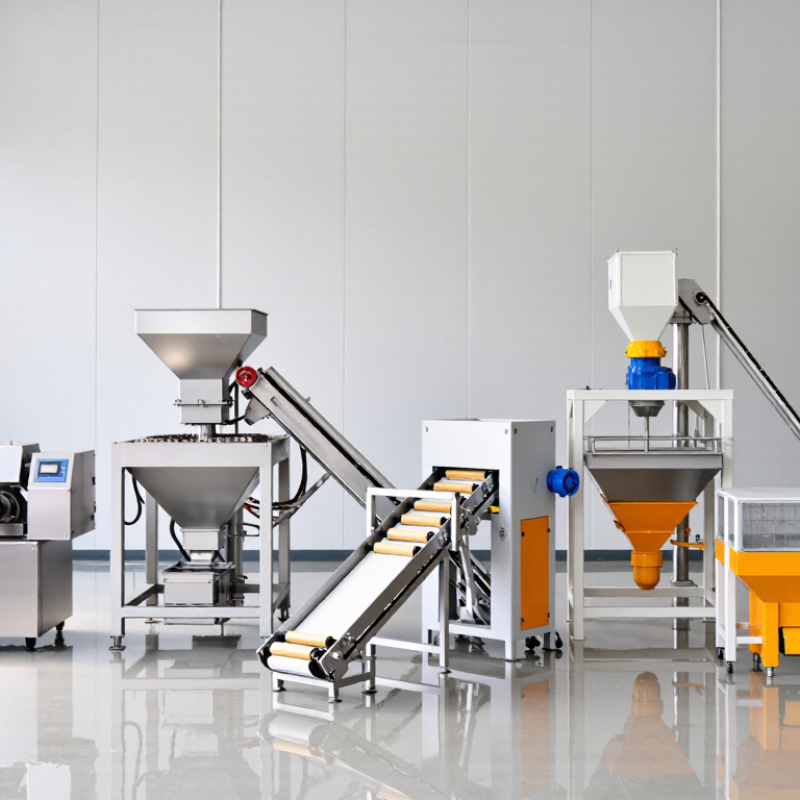
How Maize Flour Milling Machines Work
Maize flour milling turns whole kernels into flour through cleaning, conditioning, grinding, and sifting. It starts with cleaning. Screens remove stalks, stones, and oversized pieces, while an air channel lifts away dust and husks. A magnet can catch stray metal before it reaches the milling chamber. This protects both the equipment and the flour.
Conditioning adds a measured amount of water to the kernels, making the bran tougher and easier to separate. After resting, maize enters a roller mill or a hammer mill. Rollers crush kernels between turning surfaces; hammer mills use fast-moving hammers to break them into smaller particles. The choice affects flour texture, energy use, and how much bran remains. Feed rate matters, too. Overloading can produce uneven meal and warm the machine.
Ground maize passes through sieves that sort fine flour from larger particles. Coarse material may return for another pass. Operators check the flour’s texture and moisture, and adjust the gap, screen size, or feed flow as needed. Small changes show up quickly in the finished product. In practice, the ideal setting is not always obvious; kernel hardness varies with harvest and storage. Keeping simple records of settings and output helps identify patterns, though it cannot replace regular inspection of worn parts.
7 Best Maize Flour Mill Machines for Sale? – How Maize Flour Milling Machines Work
| Machine | Main Function | How It Works | Best Suited For | Place in the Milling Process |
|---|---|---|---|---|
| Maize Cleaner | Removes dust, chaff, pieces of stalk, and other light or oversized impurities from shelled maize. | Vibrating screens separate particles by size, while an air stream carries away lighter material. | Millers preparing incoming grain for further cleaning and processing. | First cleaning stage, before conditioning or milling. |
| Destoner | Separates stones and other dense particles that are similar in size to maize kernels. | A vibrating, inclined deck and controlled airflow separate material according to differences in density. | Operations that need an additional safeguard against stones and other heavy contaminants. | After preliminary screening and before the grain enters the milling section. |
| Maize Dampener | Adds a controlled amount of water to grain before milling. | A metered water spray mixes with the moving grain; a resting period allows moisture to distribute through the kernels. | Milling processes that condition grain to help separate the bran, germ, and endosperm. | After cleaning and before degermination or grinding; settings depend on the grain and process. |
| Degerminator | Breaks maize kernels and loosens the germ and outer layers from the endosperm. | Rotating beaters or other impact elements agitate kernels inside a chamber, helping separate kernel components. | Dry-milling lines producing grits, meals, or flour with reduced germ content. | After conditioning and before product separation and fine milling. |
| Roller Mill | Reduces maize particles to a controlled size through successive grinding stages. | Paired rollers compress and shear material; roller settings and repeated passes determine the reduction. | Multi-stage milling where control over particle size and separation of different fractions are important. | One or more grinding stages, usually working with sifters between passes. |
| Hammer Mill | Grinds maize into meal or flour by impact. | Fast-moving hammers strike the kernels; material exits through a screen once it reaches a size that can pass through it. | Small or medium-scale processing and applications requiring straightforward size reduction. | Grinding stage; a screen or downstream sifter helps determine the final particle-size range. |
| Plansifter | Classifies ground material into fractions according to particle size. | Screen decks separate particles as the machine vibrates or rotates; larger particles can be returned for further grinding. | Milling lines that need consistent flour or meal fractions and recirculation of coarse material. | After grinding stages and between passes when further size reduction is required. |