Why is Aeration Process Essential in Wastewater Treatment?
The Aeration Process In Wastewater Treatment plays a crucial role in maintaining environmental health. This process enhances the breakdown of organic materials in wastewater, promoting efficient microbial activity. By introducing air into wastewater, aeration encourages aerobic bacteria to thrive. These bacteria consume pollutants, converting harmful substances into harmless byproducts.
However, some challenges exist. Over-aeration can lead to increased energy costs and may release excess nitrogen. This can create an imbalance in water quality. Operators must carefully monitor aeration levels to avoid such issues. Striking a balance is essential for effective wastewater management.
Understanding the importance of the Aeration Process in Wastewater Treatment allows professionals to optimize systems. A well-managed aeration process can significantly reduce contamination levels. It also facilitates compliance with environmental regulations. Proper aeration contributes to cleaner water bodies, benefiting ecosystems and communities alike.
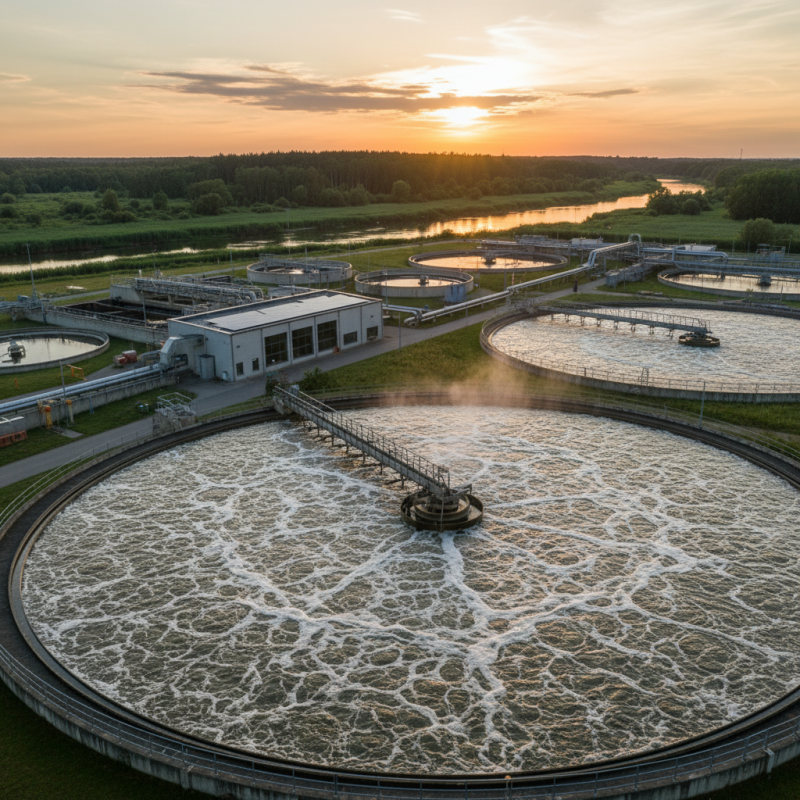
The Concept of Aeration in Wastewater Treatment
Aeration is a crucial process in wastewater treatment. It introduces air into wastewater, promoting the growth of aerobic bacteria. These bacteria help decompose organic matter effectively. According to the EPA, more than 70% of municipal wastewater treatment facilities utilize aeration to enhance their processes.
This method can reduce biochemical oxygen demand (BOD) significantly. In fact, aeration can lower BOD levels by up to 90%. This makes it a key factor in ensuring that treated water meets environmental standards. Despite its benefits, the aeration process can lead to energy consumption concerns. Many facilities report that aeration accounts for about 60% of their total operational energy costs.
Tips: Monitor your aeration system regularly. Proper maintenance ensures optimal bacteria activity. Additionally, consider energy-efficient aeration technologies. They can help reduce costs while ensuring effective treatment. It's essential to strike a balance between energy use and treatment efficiency. In some cases, excess aeration can harm rather than help. Reassessing aeration rates periodically can boost performance and sustainability.
The Role of Aeration in Biological Treatment Processes
Aeration plays a crucial role in biological wastewater treatment processes. It introduces oxygen into the water, promoting the growth of aerobic microorganisms. These microorganisms consume organic pollutants, effectively breaking them down. This process is fundamental for reducing harmful substances in wastewater.
When aeration is inefficient, treatment fails. Insufficient oxygen levels can hinder microbial activity. This can lead to incomplete degradation of organic matter. As a result, treated water may still carry pollutants. The need for careful monitoring of oxygen levels is essential in treatment facilities. Operators must assess aeration rates regularly to ensure optimal conditions for microbial life.
The design of aeration systems also impacts effectiveness. Various methods, such as diffused air or mechanical aerators, provide different results. However, each method has its drawbacks and requires adjustments over time. Striking a balance between energy efficiency and treatment efficiency is challenging. Continuous evaluation and adaptation are critical to improve overall performance in wastewater treatment operations.
Why is Aeration Process Essential in Wastewater Treatment? - The Role of Aeration in Biological Treatment Processes
| Parameter | Importance | Typical Values |
| Dissolved Oxygen (DO) | Essential for aerobic microbial activity | 2-10 mg/L |
| Aeration Rate | Affects removal efficiency of pollutants | 0.5-2.0 m³ O2/m³ wastewater |
| Retention Time | Influences microbial growth and pollutant degradation | 4-24 hours |
| Surface Area of Aerators | Impacts oxygen transfer efficiency | 100-500 m² |
| Temperature | Affects microbial activity and oxygen solubility | 10-30°C |
Benefits of Aeration for Nutrient Removal
Aeration plays a vital role in wastewater treatment. It enhances the process of nutrient removal, particularly nitrogen and phosphorus. These nutrients can cause harmful algal blooms when they enter natural water bodies. Aeration introduces oxygen into the wastewater, creating an environment for aerobic microorganisms. These microorganisms thrive on organic matter. They break it down and utilize nutrients effectively.
Efficient nutrient removal relies on proper aeration techniques. Insufficient aeration can lead to sub-optimal microbial activity. This inefficiency might allow some nutrients to escape capture. Different aeration methods exist, like surface aerators or diffused aeration. Each method has unique benefits and limitations. Selecting the right approach is crucial for a successful treatment system.
Inconsistent aeration can result in variable treatment outcomes. Operators sometimes overlook the need for regular monitoring. This lack of oversight may lead to nutrient re-release into treated water. Ultimately, ensuring consistent aeration and monitoring is key to maximizing nutrient removal. These factors contribute to more sustainable water management practices.
Types of Aeration Methods Used in Wastewater Treatment
Aeration is a pivotal process in wastewater treatment, promoting the breakdown of organic pollutants. Several methods of aeration are employed, each serving specific requirements within treatment facilities. The two primary types are mechanical and diffused aeration.
Mechanical aeration utilizes surface aerators or mixers to transfer oxygen. This method is often chosen for its ability to handle various flow rates but can be energy-intensive. A study from the Water Environment Federation indicates that mechanical aeration systems can consume up to 50% of the total energy in a treatment plant.
Diffused aeration, on the other hand, employs fine or coarse bubble diffusers submerged in the wastewater. This method is typically more efficient in oxygen transfer compared to mechanical options. According to the American Society of Civil Engineers, diffused systems can achieve an efficiency of 85% in oxygen transfer when optimized.
Tips: Regular maintenance of aeration systems is essential. Clogged diffusers can significantly reduce efficiency. Monitor performance frequently to ensure optimal operation.
Another consideration is the balance between energy consumption and treatment effectiveness. Many facilities struggle with implementing cost-effective solutions while meeting environmental regulations. Innovation in aeration technology may help address these issues, yet challenges remain in retrofitting older systems.
Factors Influencing the Efficiency of Aeration Processes
Aeration is crucial for effective wastewater treatment. The aeration process introduces air into the wastewater, promoting the growth of aerobic bacteria. These beneficial microorganisms break down organic pollutants, making the water cleaner.
Several factors influence the efficiency of aeration. One key element is the design of the aeration system. Efficient systems can optimize oxygen transfer rates. Additionally, water temperature plays a significant role. Warmer water can enhance microbial activity but may also lead to lower oxygen levels. This creates a delicate balance.
Another important factor is the presence of mixed liquor. A higher concentration of solids can hinder oxygen transfer, limiting bacterial growth. Regular monitoring and adjustments are necessary to maintain optimal conditions. Not every aeration process runs smoothly. Challenges may arise that require careful evaluation and innovation for improvement.