What Are the 5 Best Micro Drill Hard Coating Machines?
Choosing the five best Micro-Drill Hard Coating Machine options means looking beyond advertised coating speed. For micro-drills, a tiny coating defect can affect edge sharpness, chip flow, and tool life. Chamber uniformity, temperature control, fixturing, and repeatable process recipes deserve close attention. Small details matter.
MarketsandMarkets’ PVD Coating Market report estimated growth from about US$2.3 billion in 2023 to US$3.6 billion by 2028. That broad market estimate is not a forecast for micro-drill equipment alone. It does, however, show why coating capability is receiving wider industrial attention. For technical context, Peter M. Martin’s Handbook of Deposition Technologies for Films and Coatings is a respected reference on coating processes. A practical, non-verbatim summary of its engineering lesson is: “A coating works best when the film, substrate, and process are designed together.” Treat that as a paraphrase, not a direct quotation.
This guide compares five machine types through practical criteria: coating consistency, batch capacity, process flexibility, maintenance demands, and support. A compact laboratory system may suit development work. A production line needs dependable throughput and stable recipes. There is no universal winner. Actual results depend on drill geometry, substrate, coating choice, and operating conditions. Even a polished specification sheet can leave questions unanswered. Before buying, request application data for drills close to your own diameter and material. That evidence makes the shortlist more useful—and more honest.
What Micro Drill Hard Coating Machines Are Designed to Do
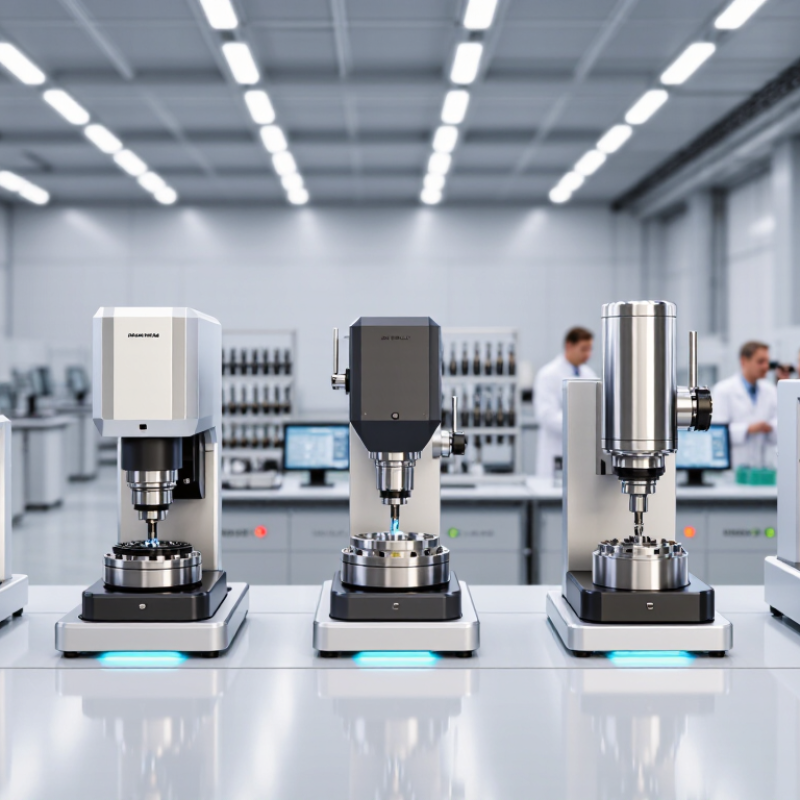
A micro drill hard coating machine applies a thin, wear-resistant film to tiny cutting tools. Its purpose is not simply to make a drill harder. It helps control friction, heat, and edge wear while preserving the drill’s cutting geometry. The coating chamber uses a vacuum and a controlled deposition process, often physical vapor deposition. Rotating fixtures expose each drill to the coating material. That matters. Uneven coverage can leave a flute or cutting edge less protected.
Technical reviews of PVD coatings for cutting tools commonly describe film thicknesses in the micrometre range, often around 1–5 μm. On a micro drill, even a small buildup can affect clearance and chip removal. It is a real trade-off. A 2023 Grand View Research market report estimated the global cutting tools market at about US$24.7 billion in 2022. It projected continued growth through 2030, reflecting demand for reliable machining tools. The figure is market context, not proof that any coating improves performance. Operators still need to match coating chemistry and thickness to the workpiece, speed, and coolant conditions. Small drills are unforgiving. A slight setup error can shorten tool life.
How to Assess Machines for Micro Drill Coating
Choosing among the five best micro drill hard-coating machines starts with the workpiece, not the brochure. Grand View Research estimated the global cutting-tool market at about US$23.7 billion in 2023, with projected growth through 2030. That signals demand, but it does not prove a coating system suits drills under 1 mm. Ask for coating-thickness maps on comparable tools, including the flute, cutting edge, and shank. A thin, even layer matters; excessive buildup can blunt a tiny edge.
Assess process control and evidence. Check whether the machine records pressure, temperature, gas flow, and cycle time for each batch. Request repeatability data from multiple runs, plus adhesion testing using the scratch-test approach in ISO 20502. Compare measured hardness and thickness with your toolmaker’s targets; a single high hardness result is not enough. I would also inspect coated samples under magnification. Small edge defects are easy to miss, and sample results may not match production.
Tips: Run a trial with your own drill geometry and substrate. Ask for before-and-after diameter measurements, coating uniformity results, and the failed-sample rate. Check service intervals and fixture capacity, too. A compact chamber can look efficient, yet awkward loading may slow daily work. Don’t skip that detail.
Five Leading Micro Drill Hard Coating Machine Options
What Are the 5 Best Micro Drill Hard Coating Machines?
Five Leading Micro Drill Hard Coating Machine Options
Choosing a coating machine for micro drills starts with the tool’s diameter, substrate, and intended use. Five options deserve comparison: arc PVD systems, magnetron sputtering systems, hybrid PVD systems, multi-axis batch coaters, and compact research units. Arc systems can produce dense coatings, but droplet control matters on tiny cutting edges. Magnetron sputtering offers controlled deposition and may suit applications needing smooth surfaces. Hybrid systems combine deposition methods, though their added complexity requires careful process control.
Multi-axis batch coaters can handle many tools in one run. Check whether fixtures expose each flute evenly; crowded loading can cause uneven coverage. Compact research units are useful for trials and small production runs, but may not meet higher-volume needs. Small details matter. Ask for data on coating thickness variation, substrate temperature, chamber capacity, and repeatability. Request a sample run using drills close to your actual diameter and geometry. Then inspect edge sharpness and coating coverage under magnification. The most capable machine is not automatically the best fit. I would compare real test results before deciding; specifications alone can leave gaps.
How Their Coating Processes and Capabilities Compare
For micro drills, coating quality depends on more than hardness. The machine must cover narrow flutes and cutting edges without rounding them excessively. Small details matter. Arc evaporation systems can deposit dense, hard films quickly, but droplets may affect surface smoothness. That matters on tiny tools, where a rough edge can change cutting behavior.
Magnetron sputtering generally produces smoother coatings, though deposition may be slower and coverage inside deep flutes can vary. HiPIMS uses high-power pulses to create dense films with strong adhesion; process tuning is demanding. Conventional CVD can coat complex shapes evenly, but its higher process temperatures may limit compatible tool materials. Hybrid systems combine sources or process steps, offering flexibility at greater setup complexity.
There is no universal winner. Not always.
A shop running sub-millimeter drills may value precise edge control and repeatable batch results more than maximum deposition speed. Larger tools or high-volume production may favor throughput. Compare coating thickness uniformity, substrate temperature, adhesion, and flute coverage using the actual drill geometry. Even these criteria leave a blind spot: test results can shift with tool preparation, fixturing, and operating conditions. A machine’s stated capability is only a starting point; inspect coated samples and verify performance in representative cutting trials.
How to Choose a Machine for Your Production Needs
What Are the 5 Best Micro Drill Hard Coating Machines?
How to Choose a Machine for Your Production Needs
The right machine depends on drill diameter, coating type, and daily batch size. A system built for larger tools may struggle to coat micro-drills evenly. Check chamber capacity, fixture rotation, and temperature control against your smallest and most delicate parts. Fit matters. Ask for coating-uniformity data on drills with similar flute geometry, not only flat test coupons.
Match the process to the tool material and intended use. PVD systems are common for hard coatings, but process temperature and coating stress can affect small tools. Review documented results for adhesion, thickness variation, and tool life. A 2024 Deloitte and MAPI Smart Manufacturing Survey found that 92% of surveyed manufacturers expect smart manufacturing to improve competitiveness within three years. That supports prioritizing recipe control, alarms, and traceable process records—not buying automation without a clear production need.
Compare usable output, not just chamber volume or advertised cycle time. Request a sample run using your actual drill size, substrate, and target coating. Check how quickly operators can load delicate tools and clean fixtures between batches. Speed is not everything. A fast cycle can still produce uneven coverage or costly rejects. I would also verify service access and spare-part lead times; these details are easy to underestimate when comparing specifications. Ask suppliers to state acceptance criteria in writing, then confirm them during a production-representative trial.