2026 Top Trends in Construction Machinery and Equipment Innovations?
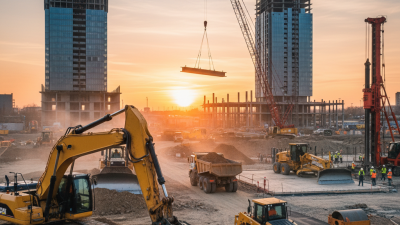
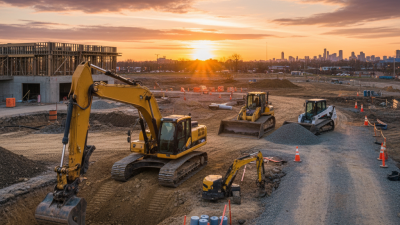
The construction industry is undergoing a significant transformation. Innovations in construction machinery and equipment are at the forefront of this change. As we look towards 2026, several key trends are emerging. These trends focus on enhancing efficiency and sustainability within the sector.
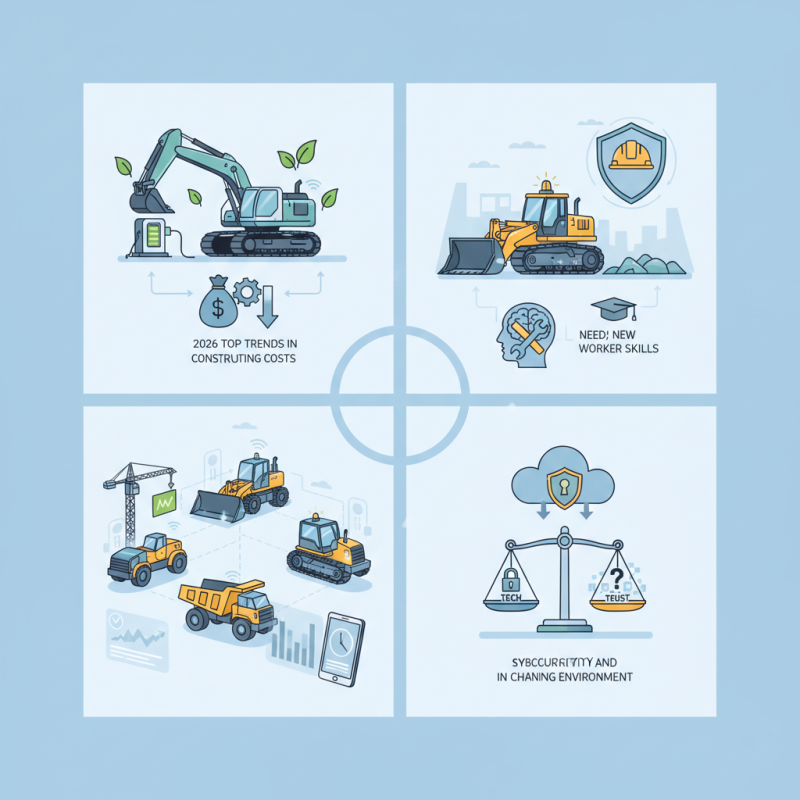
New technologies are shaping how machinery operates. For instance, electric-powered equipment is becoming more common. It reduces carbon footprints and operating costs. Meanwhile, automation is evolving, allowing for safer job sites. However, this shift presents challenges, such as the need for new skills among workers.
Moreover, the integration of smart technology is changing everything. There are now machines equipped with sensors and data analytics. They help monitor performance in real-time, ensuring better decision-making. Yet, the reliance on technology also raises questions about cybersecurity and data privacy. This balance is crucial as we move forward in a rapidly changing environment.
Emerging Trends in Autonomous Construction Equipment for 2026
The construction industry is on the brink of transformation. Autonomous construction equipment is pioneering new methods. Industry reports predict that by 2026, the market for autonomous machinery may reach $10 billion. This shift aims to improve safety and efficiency on job sites.
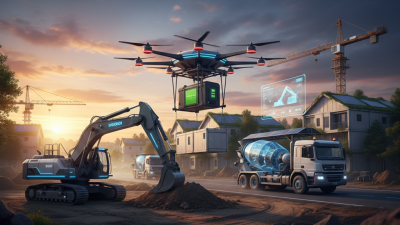
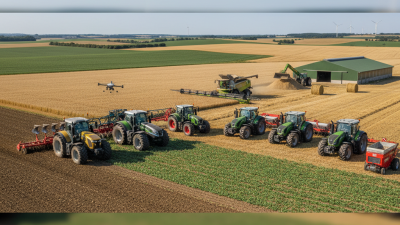
Automation is set to revolutionize heavy machinery operations. For instance, drones will streamline surveying and monitoring tasks. They can cover large areas quickly, providing real-time data. Additionally, autonomous excavators and loaders can work alongside humans, enhancing productivity. Some discussions raise concerns about job displacement, yet the potential for safer operational environments is significant.
Tips: Consider investing in training programs for staff. Integrating new technologies requires knowledge and skill. Also, focus on robust data security measures. Protecting project data from cyber threats is crucial as reliance on tech grows. As the industry evolves, reflecting on these challenges will be key to successful adaptation.
Impact of IoT Integration on Construction Machinery Efficiency
The integration of IoT in construction machinery is transforming the industry. It significantly enhances machinery efficiency. Machines equipped with IoT sensors collect real-time data. This data allows for better monitoring and control of operations. Operators can make informed decisions quickly. Tasks are completed faster, which can save money.
Tip: Regularly update your machinery’s software. This ensures you benefit from the latest IoT advancements. If software is outdated, it may not work effectively.
However, challenges remain. Many companies struggle with data overload. Too much information can complicate decision-making. Moreover, not all employees are trained to handle advanced technology. This gap can reduce overall efficiency. Companies must address these issues promptly to maximize IoT benefits.
Tip: Invest in employee training to improve comfort with new tech. A well-trained workforce is crucial for optimizing machinery efficiency. Consider workshops and practical sessions to build confidence.
Sustainable Innovations in Construction Equipment for Environmental Compliance
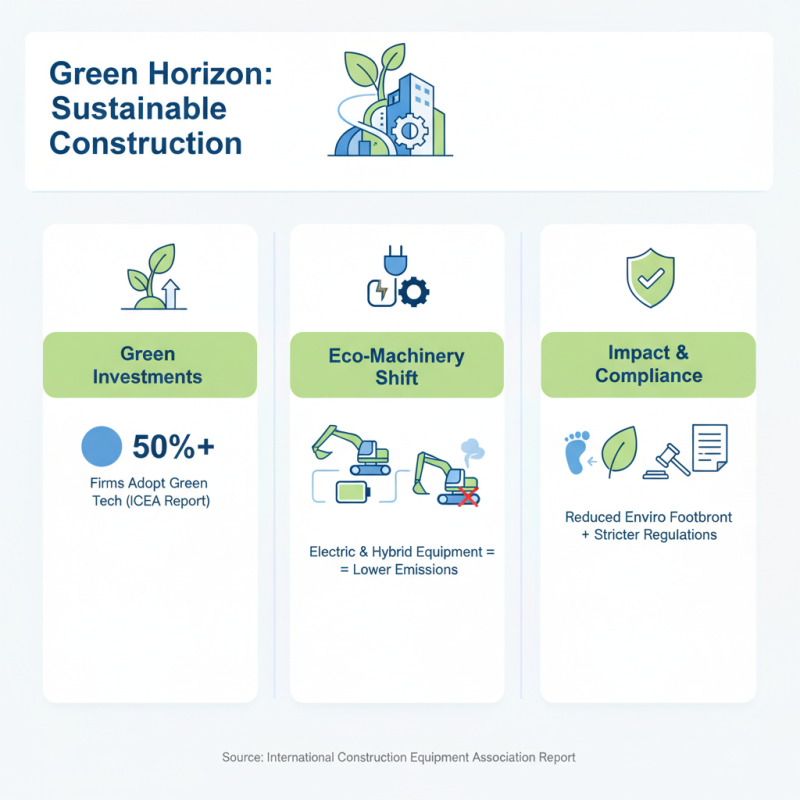
The construction industry is evolving steadily, with sustainable innovations leading the way. According to a recent report by the International Construction Equipment Association, more than 50% of construction firms are investing in green technologies. This shift aims to reduce environmental footprints while complying with stricter regulations. Companies are increasingly adopting electric and hybrid machinery to lower emissions. For example, electric excavators are becoming more common at work sites, helping to minimize noise and pollution.
In addition to machines, the use of sustainable materials is growing. Reports indicate that 30% of construction projects now incorporate recycled materials. However, the transition is not without challenges. Many operators struggle with the higher initial costs of sustainable equipment. This can deter smaller companies from investing in greener options. Education and training are vital for these technologies to gain wider acceptance. Without a skilled workforce, the full potential of sustainable innovations may remain unrealized.
While these advancements are promising, there are still hurdles to address. Infrastructure for electric charging at job sites is often lacking. Additionally, the long-term durability of new materials and machines is still under scrutiny. As the industry moves toward a greener future, these gaps must be bridged to achieve true sustainability in construction.
Advancements in Robotics and Automation within the Construction Sector
The construction sector is undergoing a significant transformation. Robotics and automation are at the forefront of this evolution. According to a recent report by Frost & Sullivan, the adoption of robotics in construction is projected to grow by 30% annually through 2026. This rapid growth indicates a shift towards more efficient methods of operations.
Robots are being utilized for tasks like bricklaying and painting. Drones, equipped with AI, inspect sites for safety and compliance. However, the integration of these technologies is not without challenges. Studies show that many construction firms struggle with workforce adaptation. Training workers to collaborate with robots is essential but often overlooked.
Data from McKinsey suggests that improving automation could increase productivity by up to 50%. Yet, many companies face financial constraints that hinder investment in these technologies. Embracing change requires a careful balance between innovation and practicality. The future of construction relies on addressing these barriers while enhancing collaboration between human workers and machines.
2026 Top Trends in Construction Machinery and Equipment Innovations
| Trend |
Description |
Expected Impact |
Year of Adoption |
| Robotic Process Automation |
Automation of repetitive tasks using robots to enhance efficiency. |
Increase in productivity and reduction of labor costs. |
2026 |
| Drones for Site Surveying |
Use of drones to perform surveying tasks, minimizing the risk and labor. |
Enhanced accuracy and reduced surveying time. |
2025 |
| Artificial Intelligence in Project Management |
AI algorithms to predict project outcomes and manage resources effectively. |
Improved decision-making and project efficiency. |
2026 |
| 3D Printing of Building Components |
Using 3D printing technologies to create building materials and components. |
Reduction in material waste and costs, faster construction. |
2024 |
| Wearable Technology for Safety |
Integration of smart helmets and vests to monitor worker safety. |
Improved worker safety and reduction in accidents. |
2025 |
Analyzing the Role of 3D Printing in Future Construction Machinery Development
3D printing is poised to revolutionize construction machinery. This technology allows for rapid prototyping of parts,
reducing lead times significantly. With 3D printing, manufacturers can create complex shapes that traditional methods can’t achieve.
This flexibility leads to more innovative designs and improved functionality.
However, challenges remain. The durability of 3D printed materials often raises concerns.
Construction environments can be harsh, demanding high-performance components. Additionally, the costs associated with transitioning to 3D printing can be high.
Companies must weigh these factors carefully before committing to new technologies. There's also the skill gap; many workers are not trained in this cutting-edge technology.
As the industry embraces 3D printing, collaboration will be key.
Sharing knowledge can help overcome obstacles and enhance production capabilities.
The potential of 3D printing in construction machinery is immense, yet it requires careful consideration and iteration.
It's not a simple fix; it’s a journey that requires reflection and adaptation.